Play-Based Learning & Child Development: Vital as Nutrition
Research conclusively shows that play-based learning child development is as foundational for a child's well-being and growth as adequate nutrition, a sentiment echoed by recent insights from India Today. This critical approach actively shapes neural pathways, refines motor skills, and fosters cognitive development, ensuring children build a robust foundation for future learning and overall health.
Play-based learning is an educational approach where children learn through engaging in self-directed and teacher-supported play. This matters because it intrinsically motivates children to explore, experiment, and understand concepts naturally, rather than through rote memorization. Indian parents can integrate this by providing open-ended materials and encouraging imaginative exploration in their homes.
Why Play-Based Learning is Non-Negotiable for Child Development in India
In a society often focused on academic pressure, particularly with the emphasis on 'padhai' from a young age, the profound importance of play is frequently undervalued. Yet, child development experts agree that unstructured, joyful play is not merely recreation; it is the primary mechanism through which children explore their world, understand social cues, and develop crucial physical and cognitive abilities. This perspective resonates with recent discussions on closing the school-readiness gap for Viksit Bharat 2047, where foundational learning through play is recognized as paramount.
A recent India Today article powerfully highlighted that play-based learning deserves equal footing with nutrition in child development, underscoring its role in brain development, problem-solving skills, and emotional regulation. Studies indicate children who engage in diverse play activities demonstrate better school readiness, improved social-emotional skills, and higher academic achievement later on. For parents across Bengaluru and India, understanding this fundamental truth is the first step towards nurturing truly well-rounded children.
Motor Skills Play-Based Learning: Building Strength and Precision Through Joy
Motor skill development is the cornerstone of physical independence, allowing children to move, interact with their environment, and perform daily tasks. Play-based learning provides the perfect natural laboratory for children to hone both their fine and gross motor skills, transforming every playtime into a developmental opportunity. This natural progression helps children master movements and gain confidence in their abilities.
Fine Motor Skills: The Hand-Eye Symphony
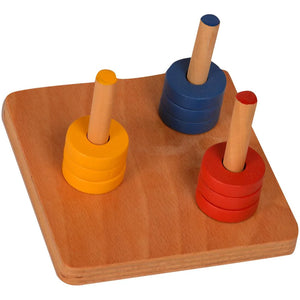
Fine motor skills involve the coordination of smaller muscles in the hands, wrists, and fingers, essential for precise movements. In an Indian home, this could mean toddlers trying to pick up grains of rice, helping grandmothers string marigold flowers for festivals, or meticulously arranging puja thali items. Activities like these, along with fine motor skill activities such as stacking blocks, threading beads, or using child-safe scissors, build crucial dexterity and hand-eye coordination.
Maria Montessori herself emphasized the importance of purposeful hand work. Research consistently links early engagement in such activities to stronger neural connections, especially in areas responsible for motor control and problem-solving. Providing children with varied textures, small manipulatives, and creative art supplies encourages this vital development, moving beyond just 'fun' to fundamental skill-building.
Gross Motor Skills: Big Movements, Big Impact
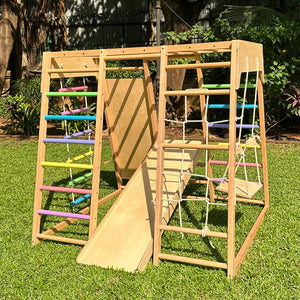
Gross motor skills involve the larger muscles in the torso, arms, and legs, crucial for actions like running, jumping, balancing, and throwing. These are the skills children develop when playing 'pakdam pakdai' (tag) in the park, climbing trees in the neighbourhood, or dancing to Bollywood tunes during family celebrations. Such activities are vital for physical health, spatial awareness, and body control.
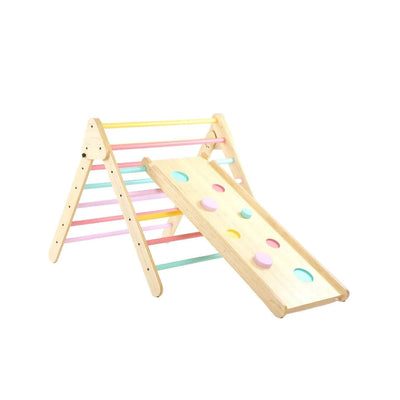
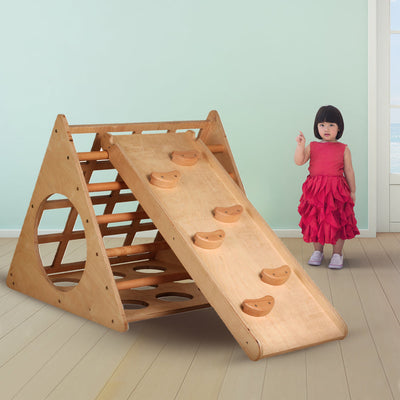
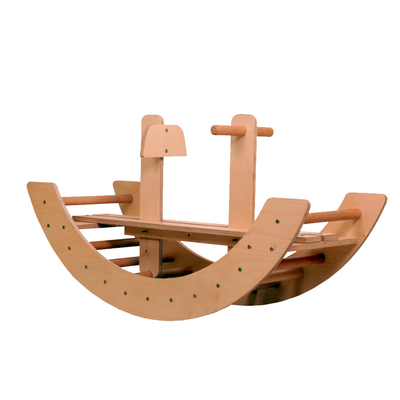
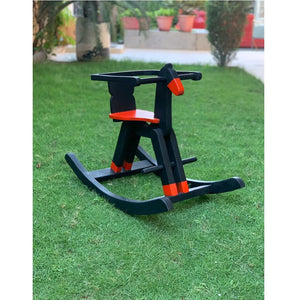
Encouraging outdoor play and providing gross motor skills toys like tricycles, balance boards, or even simple balls, are excellent ways to foster this development. SkilloToys.com offers a range of options that promote active movement, helping children build strength, endurance, and coordination. This active engagement helps them burn energy, improve balance, and develop a healthy, active lifestyle from a young age.
Montessori Play Activities & Educational Toys for Holistic Development
The Montessori philosophy, championed by Dr. Maria Montessori, perfectly aligns with the principles of play-based learning. It advocates for child-led exploration within a carefully prepared environment, using specifically designed educational toys. These Montessori learning materials are not just toys; they are tools for development, each with a specific purpose to aid a child's concentration, independence, and motor skills.
For instance, a child playing with the Pink Tower develops visual discrimination of size and fine motor control as they stack the cubes. Similarly, using Knobbed Cylinders refines their pincer grasp and understanding of dimensions. These activities offer a tangible way for parents to support their child's holistic development, ensuring that play is purposeful and enriching. The Times of India recently highlighted '5 fun tricks to supercharge fine motor skills,' many of which are rooted in these exact principles.
Beyond motor skills, these activities foster concentration, problem-solving, and independence, which are critical for school readiness and future success. In a world where screens often dominate, providing engaging, hands-on play opportunities ensures that children develop essential skills through natural, joyful engagement, just as Maria Montessori envisioned.
Nurturing the Future: Play-Based Learning for Viksit Bharat
The vision of a 'Viksit Bharat 2047' starts with a strong foundation in early childhood development, and play-based learning is at its core. By prioritizing purposeful play, Indian parents are not just entertaining their children; they are actively investing in their cognitive, physical, and emotional growth. This holistic approach ensures children are not only academically ready but also resilient, creative, and socially adept.
Parents in Bengaluru and across India have a unique opportunity to blend traditional Indian games with modern educational insights to create rich play environments. Whether it's through 'goli' (marbles), 'lagori' (seven stones), or carefully chosen Montessori educational toys, every moment of play contributes significantly to a child's developmental journey. SkilloToys.com is committed to empowering parents with the resources to make every playtime a meaningful learning experience.
- Play-based learning is as fundamental for child development as nutrition, shaping crucial neural pathways and motor skills.
- Recent research from India Today underscores the critical, often undervalued, importance of purposeful play in early childhood.
- Fine motor skills, involving small hand muscles, are developed through precise activities like threading and building, essential for writing and daily tasks.
- Gross motor skills, engaging large body muscles, are enhanced through active play like running, jumping, and balancing, promoting physical health.
- Montessori play activities and educational toys are designed to support child-led exploration and refine specific motor skills through hands-on engagement.
- Prioritizing play-based learning is vital for school readiness and contributing to the broader goal of a 'Viksit Bharat 2047' through holistic child development.
What is play-based learning?
Play-based learning is an educational approach where children acquire knowledge and skills through engaging in self-directed and teacher-supported play. It allows children to explore, experiment, and understand concepts naturally, fostering intrinsic motivation rather than rote learning.
How does play support fine motor skill development?
Play supports fine motor skills by engaging small muscles in the hands and fingers through activities like stacking blocks, threading beads, or manipulating puzzles. These experiences build dexterity, hand-eye coordination, and pincer grasp, crucial for tasks like writing and self-feeding.
What role do grandparents play in play-based learning in India?
Grandparents in Indian joint families offer a rich environment for play-based learning, sharing traditional games, stories, and practical life skills. Their presence often provides a unique blend of cultural wisdom and nurturing support, encouraging natural exploration and connection.
Are Montessori toys beneficial for motor skill development?
Yes, Montessori toys are specifically designed to aid motor skill development through purposeful, hands-on activities. Materials like the Pink Tower, Knobbed Cylinders, or practical life tools enhance fine motor control, coordination, and concentration, aligning with natural developmental stages.
How much playtime is recommended for young children?
Child development experts recommend several hours of unstructured, child-led play daily for young children, alongside structured play activities. This balance ensures ample opportunities for physical activity, creative expression, and social interaction, supporting holistic growth.