Poshan Pakhwada 2026: Fueling Motor Skills & Montessori Play
As India observes Poshan Pakhwada 2026, understanding the profound connection between nutrition and a child's physical growth becomes paramount. Optimal nutrition is foundational for robust Poshan Pakhwada 2026 motor skills development in children, providing the essential energy and building blocks needed for brain function, muscle growth, and coordination. This national initiative empowers Indian parents to foster holistic growth through balanced diets and engaging Montessori play, directly addressing the core needs of their little ones.
Poshan Pakhwada is an annual, nationwide campaign by the Indian government to raise awareness about the importance of nutrition and health. This matters because it directly impacts a child's ability to learn, play, and develop crucial motor skills, forming the bedrock for future school readiness and overall well-being. Indian parents can leverage this period to reassess family eating habits and introduce nutritious, traditional foods.
The Crucial Link: Child Nutrition Fuels Motor Skills Development
Research consistently shows that adequate child nutrition motor skills are inextricably linked. Children who receive a balanced diet rich in essential vitamins, minerals, and macronutrients exhibit better coordination, strength, and dexterity. This foundation is crucial for mastering both fine motor tasks like grasping a crayon and gross motor activities such as running and jumping.
Specific nutrients play a pivotal role. Iron, abundant in palak (spinach) and lentils, supports cognitive development and energy levels, directly influencing a child's focus during play. Proteins from paneer, dals, and eggs are vital for muscle growth and repair, enabling stronger movements and sustained physical activity. These dietary components ensure that children have the physiological resources to engage actively with their environment.
Experts agree that early childhood nutrition can prevent developmental delays and enhance a child's potential. For instance, studies indicate that omega-3 fatty acids, found in fish or flaxseeds, are critical for brain development, impacting hand-eye coordination and spatial awareness. Ensuring a diverse intake of seasonal fruits and vegetables, like those found in a typical Indian thali, provides a spectrum of benefits.
Healthy Eating for Kids Development: A Montessori Approach
Maria Montessori's philosophy advocates for holistic development, where the child's physical body is respected as a vessel for learning. Healthy eating for kids development isn't just about fuel; it's about nurturing the entire child. A well-nourished child possesses the sustained energy and concentration needed to engage deeply with Montessori materials, fostering independence and self-directed learning.
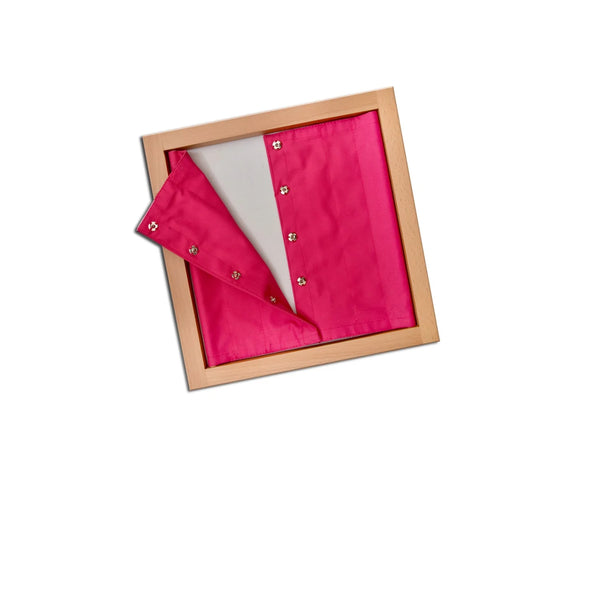
Indian parents can integrate healthy eating habits by involving children in meal preparation, letting them wash vegetables or shell peas, which also doubles as a fantastic fine motor skill activity. Establishing predictable mealtime routines, much like a Montessori work cycle, provides comfort and encourages mindful eating. This prepares them for structured learning environments later, bridging the gap for initiatives like 'Viksit Bharat 2047' by ensuring school readiness.
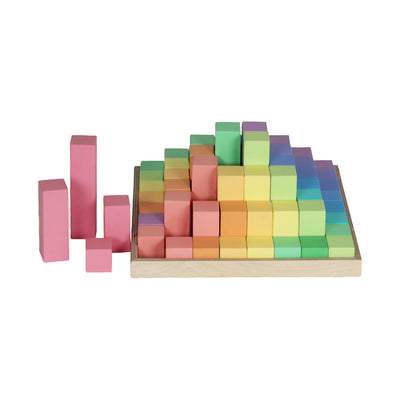
The impact of proper nutrition on a child's ability to manipulate objects, engage in practical life exercises, and concentrate during activities like using a Pink Tower or Sandpaper Letters is undeniable. When children are well-fed, their capacity for precise movements and sustained attention is significantly enhanced. This allows them to fully explore and benefit from the self-correcting nature of Montessori learning.
Poshan Pakhwada & Montessori: Empowering Child Health Together
The synergy between Poshan Pakhwada child health goals and the Montessori philosophy offers a powerful framework for nurturing India's future generations. Poshan Pakhwada emphasizes community action and awareness, while Montessori provides practical, child-centric methods for growth. Together, they advocate for environments that support optimal physical and mental well-being.
During this campaign, families are encouraged to focus on local, nutritious foods and traditional recipes, often passed down through joint families. Grandparents, as custodians of culinary wisdom, can play a significant role in introducing children to diverse flavours and healthy food choices. This reinforces cultural ties while ensuring dietary adequacy, creating a robust foundation for all forms of development.
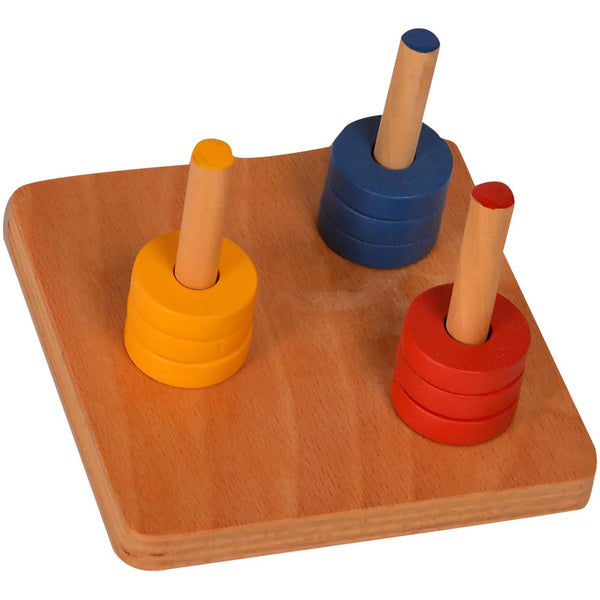
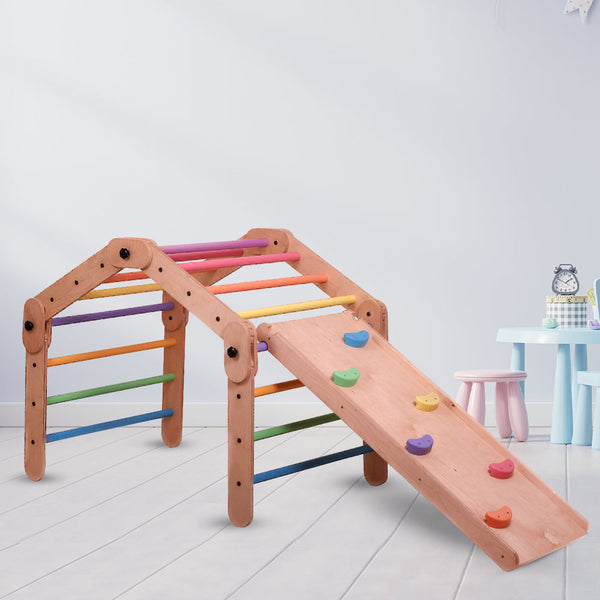
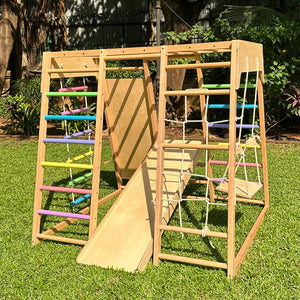
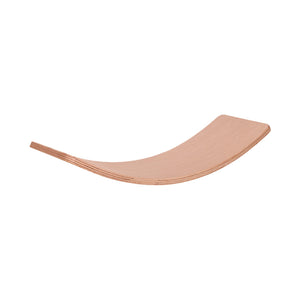
Montessori educational toys, which often require children to use their bodies in active ways, become even more effective when children are properly nourished. For instance, energetic play with gross motor skill toys like balancing boards or push carts demands sustained physical stamina. Good nutrition ensures children have the resilience and strength to engage in such beneficial physical activities, aligning with the broader goal of improved child health.
Practical Tips for Nurturing Motor Skills Through Nutrition & Play
To effectively support your child's motor skill development, a multi-pronged approach combining balanced nutrition with purposeful play is essential. Firstly, focus on whole, unprocessed foods. Incorporate a variety of colours from fruits and vegetables, whole grains like ragi and jowar, and lean proteins daily. Hydration with water is also critical for overall physical and cognitive function.
Secondly, provide ample opportunities for both Montessori learning materials and unstructured free play. Activities that encourage grasping, pouring, stacking, and manipulating small objects build fine motor precision. Simultaneously, outdoor play, running, climbing, and dancing develop gross motor skills and spatial awareness. Remember, 'Sports may help improve motor skills in children with autism,' highlighting the universal benefits of physical activity for all children.
Child development experts advocate for creating a 'prepared environment' at home that supports both healthy eating and active learning. This includes making healthy snacks accessible and having age-appropriate toys readily available. Such an environment not only supports physical growth but also builds confidence and independence, crucial for a child's overall readiness, as discussed in the context of closing the 'school-readiness gap' for Viksit Bharat 2047.
- Poshan Pakhwada 2026 highlights the critical link between child nutrition and motor skill development.
- Optimal nutrition provides the essential building blocks for brain function, muscle growth, and coordination.
- Montessori philosophy emphasizes holistic development, where nutrition supports effective engagement with learning materials.
- Involving children in meal preparation and establishing routines enhances healthy eating habits and fine motor skills.
- Balanced diets and engaging physical play are vital for developing strong gross and fine motor skills in children.
- Indian parents can leverage traditional foods and family involvement to foster holistic child health.
What is the role of Poshan Pakhwada 2026 in child motor skill development?
Poshan Pakhwada 2026 serves as a national platform to raise awareness about vital nutrition, which directly underpins robust motor skill development in children. It encourages families to adopt healthy eating practices that provide the necessary energy and nutrients for physical growth and coordination, empowering children to engage effectively with their environment and learning.
Which nutrients are most important for a child's motor skills?
Key nutrients for motor skill development include proteins for muscle growth, iron for cognitive function and energy, and calcium for bone strength. Omega-3 fatty acids are also crucial for brain development, which impacts coordination and fine motor control. A balanced diet rich in fruits, vegetables, whole grains, and lean proteins provides these essential building blocks.
How does Montessori play benefit from good nutrition?
Good nutrition provides children with the sustained energy, focus, and physical strength needed to fully engage with Montessori materials and activities. A well-nourished child can concentrate longer, manipulate objects with greater precision, and participate actively in practical life exercises, leading to more effective learning and skill acquisition.
What are practical ways Indian parents can improve their child's nutrition for motor skills?
Indian parents can improve child nutrition by incorporating diverse, traditional foods like ragi, lentils, paneer, and seasonal fruits and vegetables into daily meals. Involving children in meal preparation, establishing regular meal times, and encouraging hydration are also effective strategies. Prioritizing home-cooked meals over processed foods provides optimal nutrients for physical development.
Can specific Montessori toys enhance motor skills alongside nutrition?
Yes, specific Montessori toys are designed to enhance motor skills, and their effectiveness is amplified by good nutrition. Materials like bead threading, puzzles, and pouring exercises develop fine motor skills, while balance boards and walking activities boost gross motor skills. These toys, when used by a well-nourished child, promote strength, coordination, and concentration.