School Readiness Gap India: Montessori's Motor Skills Pivot
The national conversation around 'The padhai pivot' reveals a significant school readiness gap India faces, impacting our children's future and the ambitious vision for Viksit Bharat 2047. This gap is effectively addressed by a strong foundation in motor skills, which are crucial for a child's successful transition into formal schooling and lifelong learning. Montessori pedagogy offers a proven pathway to develop these essential physical abilities, preparing children not just for academics but for holistic growth.
As Indian parents navigate the pressures of early education, understanding the fundamental role of physical development becomes paramount. SkilloToys, India's leading Montessori educational toys store, is dedicated to empowering families in Bengaluru and across the nation to build this critical foundation from an early age.
What are Motor Skills and Why Do They Matter for Indian Children?
Motor skills encompass a child's ability to control their body movements, broadly categorised into fine motor (small muscles like fingers) and gross motor (large muscles like legs). This matters immensely because these skills are the bedrock for self-care activities like tying shoelaces, academic tasks such as writing, and social play with peers. Indian parents can proactively support this development by providing engaging, age-appropriate activities and a stimulating home environment.
Bridging the School Readiness Gap India for Viksit Bharat 2047
The 'padhai pivot,' as highlighted in national discussions, underscores that traditional academic focus often overlooks the foundational skills required for true school readiness. India's journey towards Viksit Bharat 2047 demands a generation that is not only intellectually sharp but also physically capable and confident. Early childhood development, particularly motor skills, directly contributes to this national objective by nurturing adaptable, self-reliant learners.
Research indicates that children entering school with well-developed motor skills demonstrate better academic performance, superior problem-solving abilities, and enhanced self-regulation. This translates into less struggle in the classroom, greater engagement, and a reduced likelihood of falling behind, directly impacting the long-term educational outcomes essential for India's progress.
Montessori's Holistic Approach: Fostering Early Childhood Development India
Maria Montessori, the pioneer of the Montessori Method, observed that children learn best through purposeful activity and exploration. Her approach intrinsically weaves motor skill development into every aspect of learning. This ensures that children are not just memorising facts, but are actively engaging their bodies and minds, building robust neural pathways.
For Indian families, integrating Montessori principles at home means empowering children to become active participants in their learning journey. This method aligns perfectly with our cultural emphasis on practical life skills and independent contribution within the family unit, from helping grandparents with daily chores to participating in festival preparations.
Fine Motor Skills for School Readiness: Precision for Padhai
Fine motor skills are the cornerstone of a child's readiness for formal education, directly impacting their ability to write, draw, cut, and manipulate learning materials. A strong pincer grasp, hand-eye coordination, and finger dexterity are essential for holding a pencil, turning pages, and performing intricate tasks that will be expected in primary school.
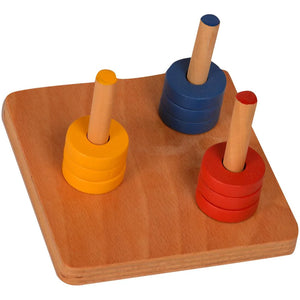
Montessori materials are expertly designed to refine these skills. Activities like pouring water, spooning grains, buttoning frames, and manipulating small objects (e.g., Pink Tower or geometric solids) strengthen hand muscles and develop precision. SkilloToys offers a wide array of fine motor skill toys that are perfect for encouraging this vital development in a fun, engaging way at home.
Gross Motor Skills: Strength and Coordination for Confidence and Classroom Engagement
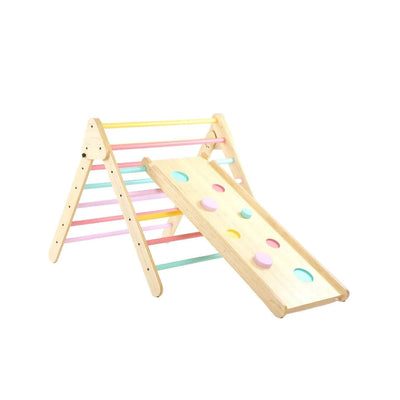
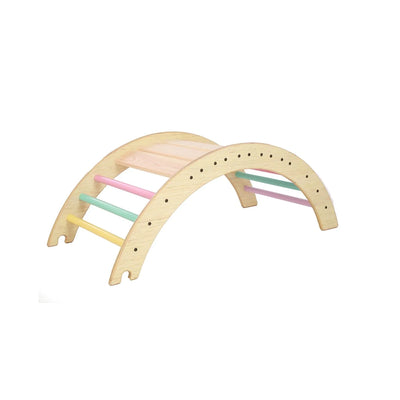
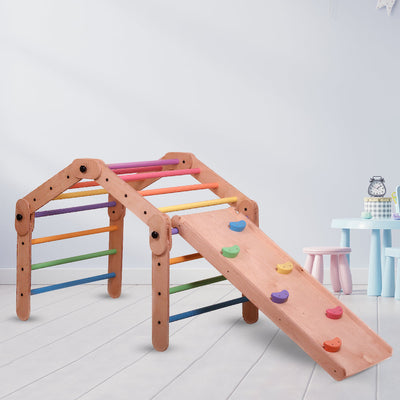
While often associated with outdoor play, gross motor skills are equally vital for school readiness. These involve the coordination of larger muscle groups, enabling children to sit upright for extended periods, navigate the classroom, participate in physical education, and maintain balance. Good gross motor control contributes significantly to a child's confidence and overall self-awareness.
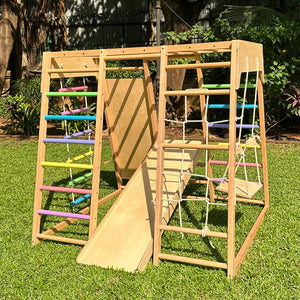
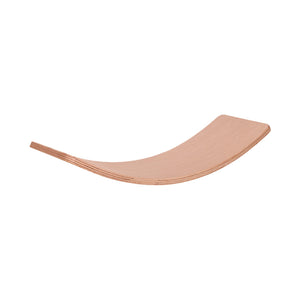
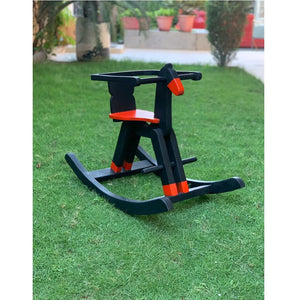
Montessori education incorporates activities like walking the line, carrying trays, and engaging in movement-based games that enhance balance, coordination, and spatial awareness. These experiences build core strength and body control, ensuring a child can comfortably manage the physical demands of school. Explore our collection of gross motor skill toys to support your child's physical development and confidence.
Practical Montessori at Home for Indian Families
Investing in your child's early development doesn't necessarily mean spending ₹1 lakh on various preschool activities, as noted in recent economic discussions. Instead, it means making smart, focused choices. SkilloToys advocates for a 'prepared environment' at home, where children have access to purposeful, child-friendly tools and are encouraged to engage in practical life activities.
Consider simple activities like involving your child in kitchen tasks (e.g., peeling vegetables with a child-safe peeler, setting the table), folding clothes, or watering plants. These everyday experiences, especially in a joint family setting where children observe and imitate elders, are invaluable Montessori lessons. Providing authentic Montessori learning materials specifically designed for these purposes can amplify their learning and skill acquisition.
Child development experts agree that the early years, particularly 18-24 months, are critical for establishing motor skill foundations. By offering materials like the Sandpaper Letters or Dressing Frames, parents provide tangible tools that directly aid in developing pre-writing skills and self-sufficiency. These thoughtfully designed resources transform play into powerful learning opportunities, fostering independence and a love for learning.
- The 'school readiness gap India' impacts children's long-term educational success and Viksit Bharat 2047 goals.
- Motor skill development is a fundamental, often overlooked, component of comprehensive school readiness.
- Montessori pedagogy uniquely integrates fine and gross motor skill development through purposeful, hands-on activities.
- Strong fine motor skills are essential for academic tasks like writing, while gross motor skills ensure classroom comfort and engagement.
- Indian families can implement Montessori at home by creating a prepared environment and involving children in practical life activities.
- Investing in quality Montessori educational toys from SkilloToys provides targeted support for a child's physical and cognitive growth.
What is the 'school readiness gap' in India?
The school readiness gap in India refers to the disparity in foundational skills children possess when entering formal schooling. This gap often includes underdeveloped motor, cognitive, and social-emotional skills, hindering their ability to adapt and succeed in primary education.
How do Montessori toys help develop motor skills?
Montessori toys are designed to be self-correcting and purpose-driven, engaging children in hands-on activities that naturally refine both fine and gross motor skills. Materials like pouring sets, bead stringing, and dressing frames promote dexterity, coordination, and strength through repetitive, engaging play.
Why are motor skills crucial for a child's success in school?
Motor skills are crucial because they form the physical foundation for academic tasks. Fine motor skills enable writing, drawing, and manipulating learning tools, while gross motor skills support sitting attentively, participating in physical activities, and navigating the classroom environment effectively.
Can Montessori principles be applied in Indian homes?
Yes, Montessori principles are highly adaptable to Indian homes. Parents can create a 'prepared environment' by offering child-sized tools, involving children in daily chores like setting the table or helping with puja preparations, and providing open-ended materials that encourage independent exploration and learning.
How does SkilloToys support motor skill development?
SkilloToys offers a curated range of authentic Montessori educational toys specifically designed to foster comprehensive motor skill development. Our materials empower children to learn through exploration and practical application, ensuring they build strong physical foundations for school and life.
What is Viksit Bharat 2047 and its connection to early childhood education?
Viksit Bharat 2047 is India's vision for becoming a developed nation by 2047, emphasizing holistic growth across all sectors, including human development. Early childhood education, particularly in foundational skills like motor development, is intrinsically linked as it prepares a skilled, capable, and confident future workforce and citizenry.