Telugu Letters with Pictures: Montessori Activities for Fine Motor Skills
Engaging with telugu letters with pictures through Montessori activities significantly enhances a child's fine motor skills, preparing them for writing and fostering early literacy. This hands-on approach, deeply rooted in Maria Montessori's philosophy, provides a crucial foundation for academic success in the early years. By integrating familiar language elements, Indian parents empower their children with culturally relevant learning that resonates deeply within the home.
Fine motor skills are the coordination of small muscles in the hands and fingers, typically in conjunction with the eyes. This matters because developing these skills is crucial for everyday tasks like holding a pencil, buttoning clothes, and self-feeding, laying the groundwork for independence and academic readiness. Indian parents can integrate culturally relevant activities, such as exploring Telugu letters, to foster this vital development in an engaging way.
The "Padhai Pivot": Why Fine Motor Skills are Critical for Telugu Learning
The national conversation around the 'padhai pivot' and closing the school-readiness gap for Viksit Bharat 2047 highlights the undeniable importance of foundational skills. Research indicates that approximately 85% of a child's brain development occurs before the age of five, making early childhood a critical window for skill acquisition. Strong fine motor skills are not just about neat handwriting; they are the bedrock for a child's confidence and ability to engage meaningfully in classroom activities, particularly when learning to write complex scripts like Telugu.
For children in Bengaluru and across Andhra Pradesh and Telangana, mastering the beautiful curves and strokes of Telugu script is a significant milestone. Without adequate fine motor development, tasks like grasping a pencil or forming specific letter shapes can become frustrating, hindering their enthusiasm for learning. This foundational strength ensures that when they encounter Telugu letters in school, they possess the physical dexterity needed to translate their understanding into written form.
Montessori Telugu Learning: A Multi-Sensory Approach to Telugu Varnamala Activities
Montessori education champions a concrete-to-abstract learning pathway, making it exceptionally effective for language acquisition. For telugu varnamala activities, this means children interact physically with letters before abstracting them. Child development experts agree that multi-sensory engagement enhances memory and understanding, allowing children to 'feel' the letter shapes and connect them to their sounds and visual representations.
This method moves beyond rote memorization, fostering a deep, intuitive grasp of language. Through purposeful play, children develop concentration, problem-solving skills, and a love for learning that extends far beyond the Telugu script. Grandparents, often the first storytellers and educators in Indian joint families, find Montessori principles a natural fit for sharing their language heritage.
Engaging Activities for Learning Telugu Letters with Pictures
Incorporating telugu letters with pictures into daily activities doesn't require elaborate setups. Simple, engaging activities can make a world of difference. Here are some effective Montessori-inspired ideas:
- Sandpaper Letters: Create DIY sandpaper letters by tracing Telugu characters on cardstock and applying sand. Children trace these textured letters with their fingers, learning the shape kinesthetically.
- Sensory Trays: Fill a shallow tray with rice, rava, or sand. Children can use their fingers or a small stick to draw Telugu letters, connecting the visual with the tactile.
- Playdough Letters: Encourage children to roll and shape playdough into Telugu letters. This strengthens hand muscles and develops dexterity. Many fine motor skill toys offer excellent tools for this.
- Lacing Cards: Design simple lacing cards with large Telugu letters, allowing children to thread string through holes. This activity refines the pincer grasp and hand-eye coordination.
- Puzzles and Matching Games: Use puzzles that feature Telugu letters with corresponding pictures (e.g., 'అ' for 'అమ్మ' with a picture of a mother). These games boost recognition and cognitive association.
Choosing Educational Toys for Telugu Script Mastery
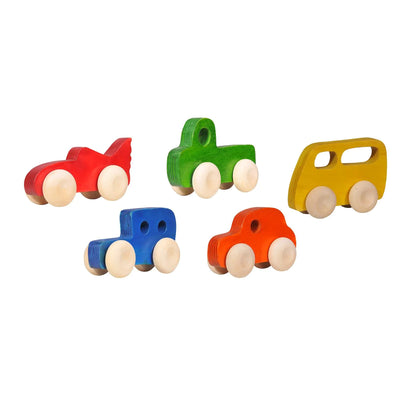
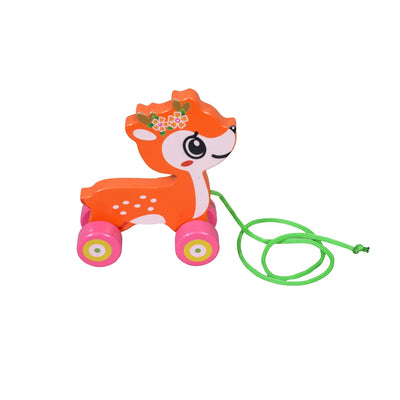
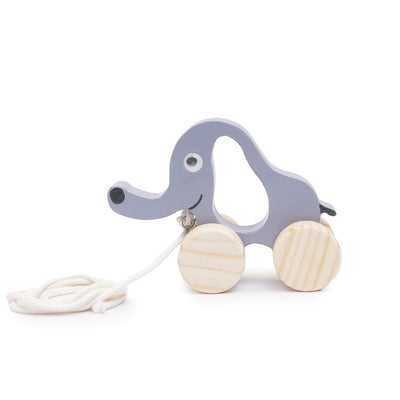
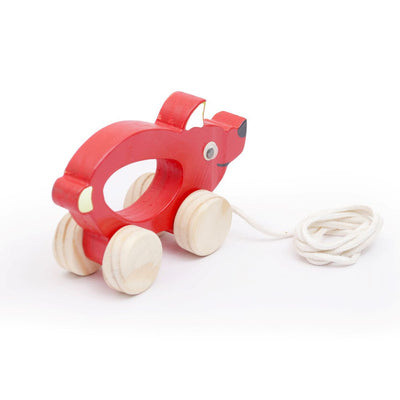
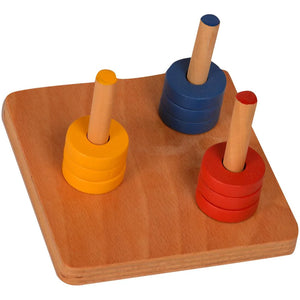
When selecting educational toys for telugu learning, focus on those that encourage active manipulation and exploration. Toys that are open-ended and allow for child-led discovery align perfectly with Montessori principles. Studies indicate that play-based learning improves engagement and retention significantly more than passive instruction.
Look for materials crafted from natural elements like wood, felt, or cotton, which offer a varied sensory experience. These materials are durable and child-safe, ideal for repeated handling. Prioritise toys that promote Montessori learning materials, offering children the opportunity to work independently and at their own pace, crucial for mastering complex patterns of fine motor skills for telugu script.
Incorporating Learn Telugu for Kids into Daily Routines
Learning Telugu extends beyond structured activities. Integrating learn telugu for kids into everyday life makes it natural and enjoyable. Parents can read Telugu storybooks together, pointing out words and discussing the pictures. Singing traditional Telugu rhymes and songs not only introduces new vocabulary but also provides a rhythmic context for the language.
Involve children in family conversations in Telugu, even if it's just a few words at a time. Encourage them to identify objects in their environment using Telugu names. These small, consistent efforts build a strong linguistic foundation and show children the relevance of their native language in their world. The support of elders, like grandparents, can be particularly invaluable in passing on the richness of Telugu culture and language.
How do Montessori activities improve fine motor skills for Telugu letters?
Montessori activities provide hands-on, multi-sensory experiences like tracing sandpaper letters or forming shapes with playdough. These actions strengthen small hand muscles, refine pincer grasp, and enhance hand-eye coordination crucial for writing Telugu script.
What age is best to introduce Telugu letters with pictures using Montessori methods?
Children typically begin showing interest in letters and pre-writing activities around 2.5 to 3 years of age. Montessori methods are adaptable, allowing for gentle, play-based introduction when the child demonstrates readiness, often between 18 months and 3 years for initial exposure.
Are there specific educational toys for Telugu learning that aid fine motor skills?
Yes, educational toys like wooden letter puzzles, lacing beads, clay or playdough sets, and tracing boards featuring Telugu script are highly beneficial. These toys encourage manipulation, precision, and hand-strength development, directly supporting fine motor skills for Telugu learning.
How can parents incorporate Telugu varnamala activities into daily routines?
Parents can integrate Telugu varnamala activities through simple daily tasks such as pointing out letters on signs, singing Telugu rhymes, or using mealtime to discuss words starting with specific letters. Creating a 'Telugu corner' with relevant books and materials also encourages consistent engagement.
Why is developing fine motor skills important for a child's overall development in India?
Developing fine motor skills is paramount as it underpins a child's independence, academic success, and self-confidence. In the Indian context, it prepares them for school, helps with tasks like buttoning uniforms or eating independently, and lays the foundation for future academic and life skills.
- Engaging with Telugu letters through Montessori activities significantly enhances fine motor skills.
- Fine motor development is crucial for school readiness and cultural literacy in India.
- Montessori's multi-sensory approach effectively teaches Telugu varnamala by connecting touch, sight, and sound.
- Play-based activities like tracing, shaping, and lacing directly strengthen hand muscles and coordination.
- Selecting quality educational toys for Telugu learning supports independent and joyful skill acquisition.
- Integrating Telugu into daily routines reinforces learning and fosters a love for the language.