Toys for 4 Year Old Boys: Motor Skill Activities Guide
Engaging 4-year-old boys in motor skill activities is crucial for their holistic development, and high-quality toys for 4 year old boys provide the ideal foundation for this learning. Research consistently shows that structured yet playful activities, especially those inspired by the Montessori method, significantly enhance both fine and gross motor skills in preschool children. Indian parents can effectively foster these abilities through intentional play, turning everyday interactions into powerful learning opportunities for their little ones.
Motor skill development involves the coordination of muscles and the brain to perform movements, categorised into fine (small muscle) and gross (large muscle) skills. This process is critical for a child's independence, academic readiness, and overall physical well-being. Indian parents nurturing their children for "Viksit Bharat 2047" understand that strong motor skills lay the groundwork for future success in all spheres.
Why Montessori is Ideal for 4-Year-Old Boys
The Montessori philosophy, pioneered by Dr. Maria Montessori, champions self-directed activity, hands-on learning, and collaborative play, making it exceptionally suited for 4-year-old boys. Child development experts agree that children at this age benefit immensely from environments that allow them to explore and master skills at their own pace.
This approach directly addresses the "padhai pivot" for school-readiness, emphasizing foundational skills over rote learning. By providing purposeful activities, Montessori helps children develop concentration, problem-solving abilities, and physical coordination naturally, preparing them for formal schooling and beyond.
Engaging Fine Motor Skill Activities for 4-Year-Old Boys
Fine motor skills involve the small muscles of the hands and wrists, essential for tasks like writing, drawing, and self-care. Studies indicate that early development in this area positively correlates with later academic success, impacting a child's ability to perform classroom tasks.
Incorporating these activities into your child's daily routine at home strengthens their hand muscles and refines dexterity:
- Dal Sorting & Transfer: Provide bowls of mixed lentils (like moong dal and chana dal) and small spoons or tongs. This activity, common in Indian kitchens, sharpens pincer grasp, concentration, and patience.
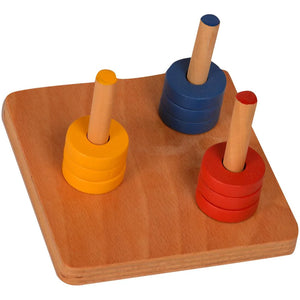
- Bead Stringing & Lacing: Using large wooden beads or lacing cards helps improve hand-eye coordination and bilateral integration. SkilloToys offers a wide range of fine motor skill toys perfect for developing these intricate movements.
- Clay Modelling & Dough Play: Shaping play-dough or clay strengthens hand muscles and fosters creativity. Encourage your child to make traditional Indian shapes, objects, or even simple alphabets, enhancing their pre-writing readiness.
- Buttoning, Zipping & Fastening Frames: Practical life activities like dressing oneself build independence and refine intricate hand movements. Montessori fastening frames provide a focused way to master these essential skills.
- Paper Tearing & Cutting: Simple tearing paper into strips or using child-safe scissors to cut along lines strengthens hand muscles and improves control, preparing them for a proper pencil grip. This also develops bilateral coordination.
Dynamic Gross Motor Skill Activities for 4-Year-Old Boys
Gross motor skills involve the large muscles of the body, crucial for walking, running, jumping, and maintaining balance. Experts stress that active play is paramount for physical health and cognitive development in young children, fostering strength and coordination.
These dynamic activities encourage whole-body movement and provide essential physical challenges:
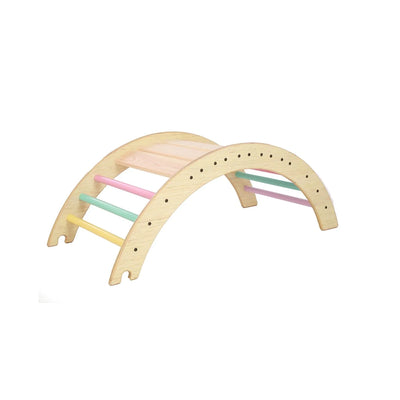
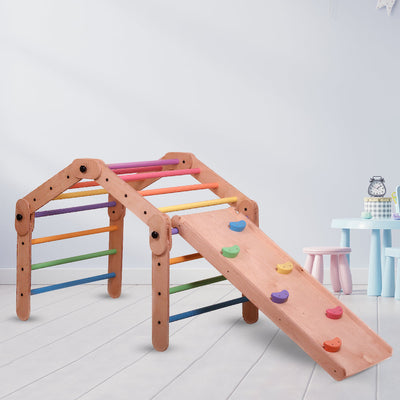
- Obstacle Course Fun: Create a simple course using cushions, chairs, and blankets. Crawling under, climbing over, and jumping builds agility, spatial awareness, and problem-solving skills in a playful way.
- Ball Play (Catch, Kick, Throw): Engaging in games of catch or kicking a football in a safe outdoor space, like a park or society ground in Bengaluru, develops coordination, timing, and balance. Consider exploring gross motor skill toys that encourage active movement and outdoor play.
- Dancing & Movement Games: Put on some lively music – perhaps Bollywood tunes or traditional folk music – and encourage free-form dancing. Action songs also enhance coordination, rhythm, and body awareness, making exercise enjoyable.
- Tricycle/Scooter Riding: Navigating a tricycle or scooter (with proper safety gear) strengthens leg muscles, improves balance, and teaches spatial reasoning. This offers a fantastic way for children to gain independence and explore their surroundings.
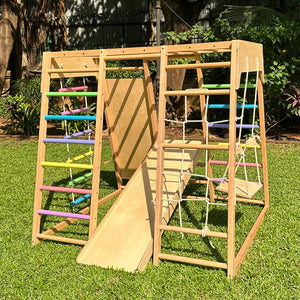
- Playground Adventures: Regular visits to local parks in Bengaluru provide opportunities for climbing, swinging, and sliding. These activities are excellent for developing balance, strength, and confidence, as well as fostering social skills with peers.
Integrating Montessori Play into Your Indian Home
Integrating Montessori principles doesn't require a dedicated school; it begins with observing your child and preparing an enriching environment at home. Many Indian families, often with grandparents present, naturally foster elements of Montessori by involving children in daily chores and community life.
Here’s how to make your home a hub for Montessori-inspired learning:
- Practical Life Skills: Let your child help with simple tasks like watering plants, setting the table for dinner, or dusting shelves. These activities are incredibly engaging for 4-year-olds and build competence, responsibility, and fine motor control.
- "Prepared Environment": Designate a child-friendly space with accessible, age-appropriate Montessori learning materials. This empowers independent exploration and reduces the pressure to spend excessively on external skill classes, as highlighted by recent discussions in The Economic Times regarding smart ways to plan for skill classes.
- Freedom Within Limits: Offer choices within safe boundaries. For instance, "Would you like to sort dal or string beads today?" This fosters independence, self-regulation, and allows the child to follow their natural curiosity.
- Observation, Not Intervention: Observe your child's engagement without constant interruption. Let them concentrate and solve problems independently, stepping in only if absolutely needed, fostering their problem-solving abilities and self-confidence.
Nurturing motor skills in your 4-year-old boy through engaging, Montessori-inspired activities provides a strong foundation for their future development. By offering thoughtful play opportunities, Indian parents empower their children to grow into capable, confident, and independent individuals, ready for every challenge life brings.
- Engaging 4-year-old boys in motor skill activities through Montessori-inspired play is crucial for their holistic development.
- Fine motor skills, involving small muscle coordination, are vital for tasks like writing, drawing, and self-care.
- Gross motor skills, involving large muscle movements, are essential for balance, strength, and overall physical health.
- Research indicates that early motor skill development positively correlates with later academic and social success, impacting school readiness.
- The Montessori method promotes self-directed learning and hands-on exploration, making it ideal for the developmental stage of 4-year-olds.
- Incorporating practical life activities and a "prepared environment" at home significantly boosts a child's motor skill acquisition without excessive external expenditure.
What are the best motor skill activities for a 4-year-old boy?
The best activities for 4-year-old boys include practical life tasks like pouring and sorting, creative play with clay, outdoor games like ball play and obstacle courses, and simple chores that involve hand-eye coordination. These engage both fine and gross motor skills effectively.
How can I improve my 4-year-old's fine motor skills at home?
To improve fine motor skills, encourage activities like bead stringing, working with play-dough, tearing paper, using child-safe scissors, and sorting small objects like lentils. These activities strengthen hand muscles and refine finger dexterity crucial for pre-writing skills.
What gross motor skills should a 4-year-old boy have?
A 4-year-old boy should typically be able to run, jump on one foot, climb, throw and catch a ball, and pedal a tricycle. These milestones indicate healthy development of large muscle coordination, balance, and agility, supporting their physical independence.
Are Montessori toys effective for motor skill development in 4-year-olds?
Yes, Montessori toys are highly effective as they are designed to be self-correcting and engage children in purposeful activities that naturally develop motor skills. Materials like lacing beads, stacking towers, and pouring sets directly foster fine and gross motor coordination.
How much active playtime does a 4-year-old need daily?
Child development experts recommend that 4-year-olds get at least 60 minutes of structured active play and several hours of unstructured free play daily. This balance ensures comprehensive development of both gross and fine motor skills while promoting overall health.
Can screen time affect a 4-year-old's motor skills?
Excessive screen time can negatively impact a 4-year-old's motor skill development by reducing opportunities for active, hands-on play. Limited screen exposure ensures children engage in the physical activities necessary for muscle coordination and spatial awareness crucial for their growth.