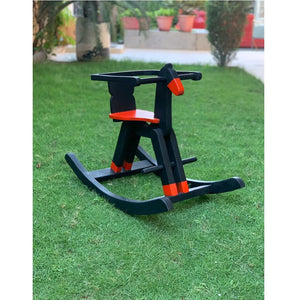
Toys for 4 Year Old Boys: Motor Skill Milestones Guide
Understanding the developmental journey of your child is a joyous part of Indian parenting, and for parents seeking the best toys for 4 year old boys, focusing on motor skill milestones is paramount. Research shows that engaging in purposeful play significantly impacts a child's physical and cognitive growth at this age. As your little one steps into their fourth year, they are rapidly refining their ability to move, interact, and explore the world around them, making this a critical period for targeted support.
What are Motor Skill Milestones?
Motor skill milestones are specific physical abilities that children typically achieve within certain age ranges. These include both gross motor skills, which involve large muscle groups, and fine motor skills, which involve smaller muscles like those in the hands and fingers. This matters because achieving these milestones is fundamental for independence, learning, and overall development. Indian parents can actively support their child's progress by providing an enriched environment and appropriate play materials.
Gross Motor Skills: Big Moves for Growing Boys
At four years old, boys are bursting with energy, refining large movements that lay the groundwork for physical activity and coordination. Studies indicate that consistent engagement in physical play is directly linked to better balance and spatial awareness. Your 4-year-old boy is likely mastering skills like hopping on one foot, skipping, and catching a bounced ball with increasing ease, perhaps even trying to balance on the edge of a footpath like a tightrope walker during your evening strolls or mimicking older siblings playing gully cricket.
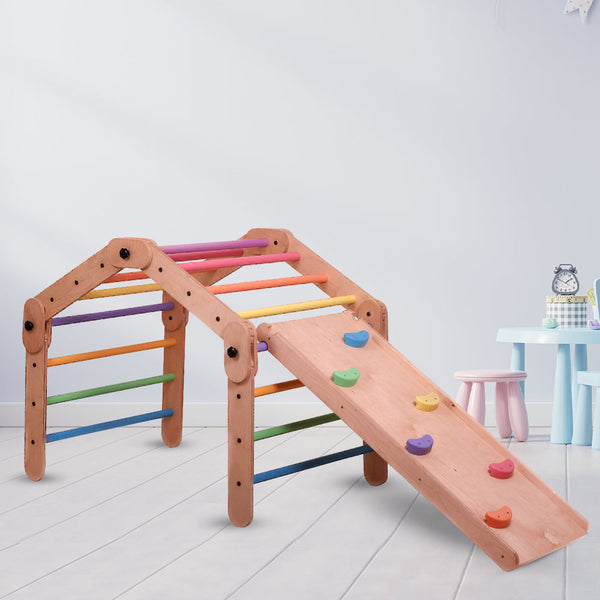
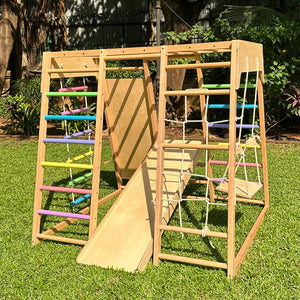
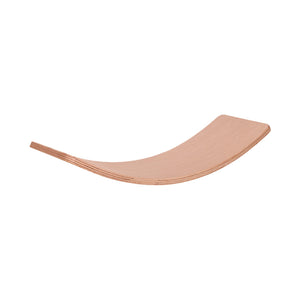
Montessori toys and activities are invaluable here, encouraging exploration and movement. Opportunities to climb, run, and jump are essential. Think about outdoor play that involves large blocks, tricycles, or even simple balance beams at home. Materials like climbing frames or balance boards help build core strength and coordination. Child development experts agree that allowing children to engage in free, active play is as crucial as structured learning. For a comprehensive range of aids, explore our gross motor skill collection.
Fine Motor Skills: Precision and Dexterity
While gross motor skills involve big movements, fine motor skills at age 4 are all about precision. This is the age where your child transitions from a basic palmar grasp to a more refined pincer grasp, crucial for tasks like holding a pencil correctly or buttoning their shirt for school. Milestones include cutting along a line with child-safe scissors, drawing squares and circles, and confidently manipulating small objects.
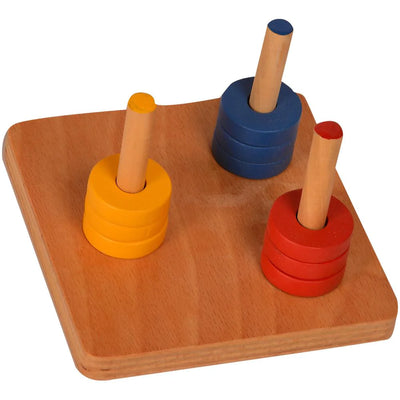
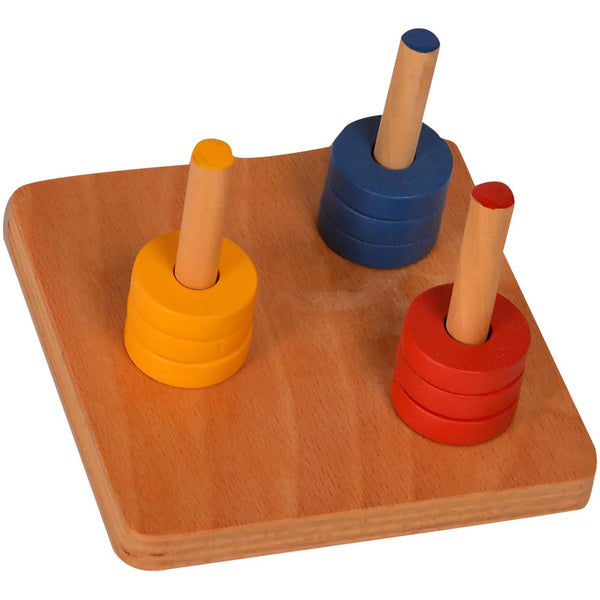
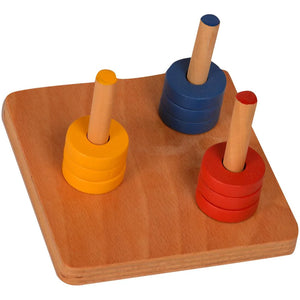
In many Indian homes, children are encouraged to help with small tasks, from sifting flour for chapati dough with Dadi to arranging small diyas during Diwali. These everyday activities naturally support fine motor development. Montessori toys are specifically designed to nurture these skills through purposeful work. Activities such as bead stringing, transferring small items with tongs, puzzles with small knobs, and practical life exercises like pouring water or dressing frames are perfectly suited for this stage. These activities not only refine hand-eye coordination but also prepare children for writing and other academic tasks. Discover enriching options in our fine motor skills collection.
The Montessori Advantage for 4-Year-Old Development
Maria Montessori's philosophy champions self-directed activity, hands-on learning, and collaborative play, all within a prepared environment. For 4-year-old boys, this translates into toys that aren't just entertaining but are specifically designed to foster concentration, independence, and skill development. Montessori toys often isolate a single challenge, allowing the child to master one skill at a time without frustration.
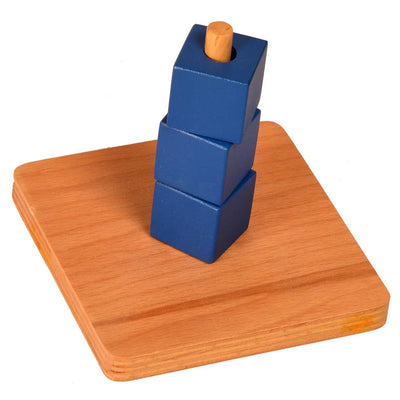
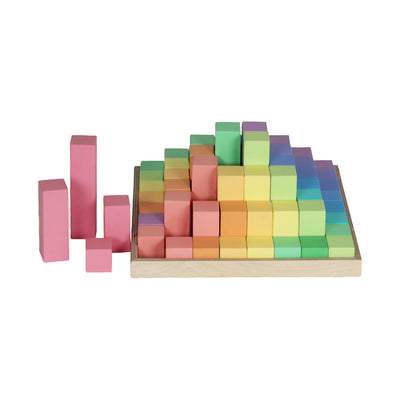
Research confirms that children engaged in Montessori education often demonstrate superior problem-solving skills and executive function. For instance, working with the Pink Tower involves careful stacking and visual discrimination, strengthening fine motor control and spatial reasoning. Similarly, activities like sandpaper letters or metal insets prepare the hand for writing while engaging the mind. This approach aligns perfectly with India's increasing focus on foundational learning, as highlighted by initiatives like 'The padhai pivot,' emphasizing school readiness from an early age. Explore our full range of Montessori method learning materials and toys.
Identifying and Supporting Your Child's Progress
As parents, observing your child's development is a continuous process. Notice how they interact with their environment and the ease with which they perform daily tasks. Are they able to navigate obstacles, or do they struggle with simple actions like catching a ball? Remember that every child develops at their own pace, and the goal is to provide supportive opportunities, not to compare.
Encourage active play both indoors and outdoors. Even simple games like hide-and-seek or building a fort with blankets can boost gross motor skills and spatial awareness. For fine motor development, involve them in simple household chores like sorting clothes, helping to knead dough, or drawing and painting. Providing a stimulating environment with age-appropriate materials is key. The recent discussions around India needing a Long-Term Sports Development Model underscore the broader importance of nurturing physical abilities from a young age, starting right in our homes.
If you have any significant concerns about your child's motor skill development, it's always wise to consult with your paediatrician. They can offer personalized advice and support, ensuring your child receives the best care for their unique developmental path.
- Four-year-old boys achieve distinct gross motor milestones like hopping, skipping, and throwing overhand.
- Fine motor skills for 4-year-olds include cutting with scissors, drawing shapes, and manipulating small objects.
- Montessori education emphasizes self-directed, purposeful activities crucial for motor skill refinement.
- Engaging in physical play, like climbing and running, is vital for gross motor development at this age.
- Toys that promote grasping, sorting, and building are essential for developing fine motor control.
- Early motor skill development is strongly linked to future academic success and confidence in children.
What are the key motor skill milestones for a 4-year-old boy?
A 4-year-old boy typically masters hopping on one foot, skipping, catching a bounced ball, and throwing overhand for gross motor skills. Fine motor milestones include cutting along a line with scissors, copying basic shapes like a square, and dressing independently.
How do Montessori toys specifically help with fine motor skills at age 4?
Montessori toys are designed to isolate specific skills, allowing children to focus and refine movements. Activities like bead stringing, puzzles with knobs, dressing frames, and transferring work directly enhance pincer grasp, hand-eye coordination, and finger dexterity essential for writing and self-care.
Can Montessori materials improve gross motor skills in 4-year-olds?
Yes, Montessori materials and principles encourage gross motor development through practical life activities that involve large body movements. Carrying trays, pouring water, sweeping, and using outdoor equipment like climbing structures or balance beams all contribute to coordination, balance, and spatial awareness.
What if my 4-year-old is not meeting all these motor skill milestones?
It is common for children to develop at their own pace, and a slight delay in one area does not always indicate a problem. However, if you have significant concerns about your child's motor skill development, consulting with your paediatrician or a developmental specialist for guidance is always recommended.
Why is developing motor skills important for 4-year-old boys in India?
Developing robust motor skills at age 4 is crucial for school readiness, as children need these skills for writing, drawing, participating in sports, and managing self-care like eating and dressing. Strong motor skills also build confidence and independence, preparing them for the academic and social demands of schooling.