Why Playing with Toys is Essential for Child Development
According to child development experts and as highlighted by prominent news sources like Hindustan Times, playing with toys is essential for child development, laying the groundwork for crucial motor skills and overall growth. This fundamental truth is increasingly recognized, affirming that thoughtful play is not merely entertainment but a vital component of a child’s journey, shaping everything from their physical dexterity to their cognitive abilities.
What is play-based learning? Play-based learning is an educational approach where children learn through engaging in self-directed and guided play activities. This matters because it fosters intrinsic motivation, problem-solving, and critical thinking. Indian parents can embrace this by providing open-ended toys and opportunities for exploration.
The Core of Development: Why Playing with Toys is Essential
In our bustling Indian homes, often filled with grandparents and cousins, playtime might sometimes be overlooked in favour of structured learning. However, psychologists confirm that engaging with toys is a foundational activity that stimulates various developmental domains. From the simplest stacking rings to intricate puzzles, each toy offers a unique learning opportunity, proving that play truly deserves equal footing with nutrition, as emphasized by India Today.
Research by UNICEF highlights the right to play as fundamental for every child, reinforcing its importance for physical, emotional, and social well-being. Providing a rich environment with age-appropriate toys, like those offered by SkilloToys, is a direct investment in a child's future capabilities.
Fine Motor Mastery: Toys for Dexterity and Precision
Fine motor skills involve the coordination of small muscles, typically in the hands and fingers, in conjunction with the eyes. These skills are critical for everyday tasks such as holding a pencil, buttoning a shirt for school, or eating independently. Psychologist-backed insights reveal that consistent engagement with specific toys significantly enhances these abilities.
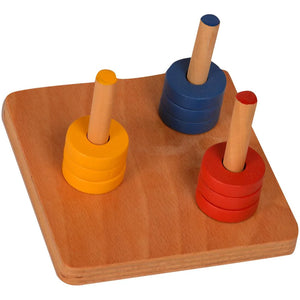
For instance, Montessori materials like the pink tower, knobbed cylinders, and bead chains, available at SkilloToys, demand precise movements, strengthening little fingers and developing hand-eye coordination. Activities like threading beads, using tongs to transfer objects, or completing simple puzzles are excellent 'fun tricks to supercharge fine motor skills,' as highlighted by The Times of India. These focused activities build concentration and lay the groundwork for writing readiness, a common concern for Indian parents.
Gross Motor Development: Building Strength and Coordination
While fine motor skills focus on precision, gross motor skills involve the larger muscles of the torso, arms, and legs. These are essential for balance, coordination, and overall physical agility, which supports active play, sports, and navigating the world around them. Engaging in physical play with specific toys is paramount for this development.
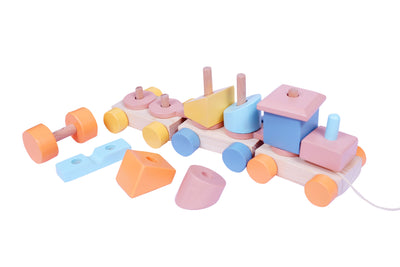
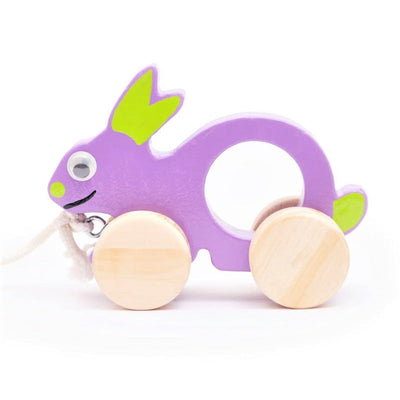
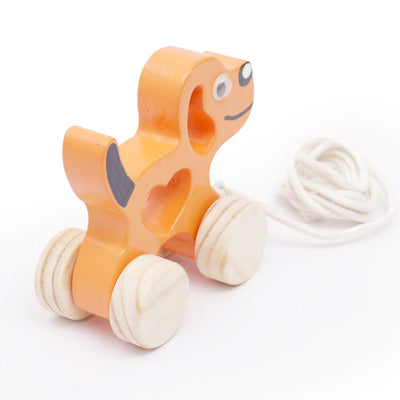
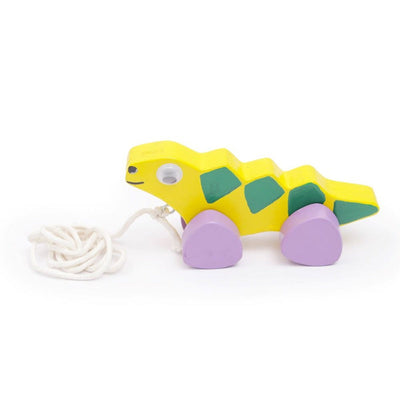
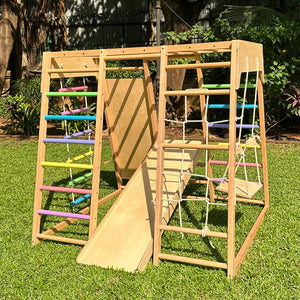
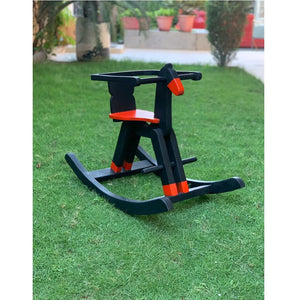
Toys such as push-and-pull carts, ride-on toys, or balance boards encourage children to crawl, walk, run, and jump, strengthening their core and limbs. SkilloToys offers a diverse range of gross motor skill toys designed to promote active movement and coordination. This active play is crucial for children aged 18-24 months and beyond, helping them master fundamental movements needed for playground fun and navigating busy Indian neighbourhoods.
Beyond Physical: Holistic Benefits of Educational Toys
The importance of play for physical development is undeniable, but the benefits of educational toys extend far beyond motor skills. They are instrumental in fostering cognitive, emotional, and social development, creating well-rounded individuals ready for life's challenges, from managing school pressure to celebrating festivals with family.
Cognitive Growth and Problem-Solving
Educational toys are powerful tools for stimulating a child's intellect. Puzzles, building blocks, and shape sorters challenge children to think critically, understand spatial relationships, and develop problem-solving strategies. These activities enhance memory, attention span, and logical reasoning – skills that are invaluable throughout their academic journey and beyond.
Maria Montessori's philosophy, deeply embedded in many SkilloToys products, emphasizes self-correction and discovery through hands-on materials. This approach allows children to learn at their own pace, fostering a genuine love for learning rather than rote memorization, which is particularly beneficial in a competitive academic environment like India's.
Emotional and Social Intelligence
Play with toys also provides a safe space for children to explore emotions and develop social skills. Through pretend play with dolls or cooking sets, children learn empathy, cooperation, and negotiation – crucial for building strong bonds within their joint family and with friends.
Sharing toys, taking turns, and resolving conflicts during play builds essential emotional regulation skills. Studies indicate that children who engage in regular, imaginative play exhibit higher levels of social competence and emotional resilience, preparing them for diverse social interactions.
The Psychology of Play: Expert Insights
Child development experts agree that play is the 'work' of childhood. The psychology of play motor skills is rooted in the understanding that children learn by doing. When a child manipulates a toy, they are not just playing; they are actively experimenting with cause and effect, refining their movements, and building neural pathways.
This active learning process, particularly with toys for fine motor skills development like lacing cards or sorting trays, leads to tangible physical and cognitive improvements. It also builds self-efficacy and a sense of accomplishment, crucial for a child's developing self-esteem. As parents and grandparents, providing these opportunities for rich, purposeful play is one of the greatest gifts we can offer.
- Playing with toys is fundamental for developing both fine and gross motor skills.
- Educational toys significantly enhance cognitive functions like problem-solving and critical thinking.
- Psychologists confirm play fosters essential social and emotional intelligence in children.
- Montessori materials promote self-directed learning and skill mastery.
- Active play builds strength, coordination, and overall physical agility.
- A rich play environment reduces school pressure by nurturing a love for learning from an early age.
By understanding the psychologist-backed reasons why playing with toys is essential, Indian parents can make informed choices to support their child's comprehensive development. SkilloToys.com is dedicated to providing high-quality, thoughtfully designed Montessori educational toys that turn every playtime into a profound learning experience, nurturing the bright future of your little one.
What age should children start playing with educational toys?
Children can start benefiting from educational toys as early as infancy. Simple Montessori mobiles for newborns and grasping toys for 3-6 month olds lay foundational sensory and motor skills, evolving into more complex materials as they grow.
How do educational toys support fine motor skills?
Educational toys like bead stringing, puzzles, or practical life materials require precise hand-eye coordination and manipulation. This repetitive engagement strengthens small hand and finger muscles, crucial for activities like writing and self-care.
Can play truly impact a child's overall academic success?
Absolutely. Research indicates that play-based learning, which builds problem-solving, concentration, and social skills, creates a strong foundation for academic success. These early experiences foster a lifelong love for learning, reducing school pressure later on.
What is the role of parents in facilitating play for motor development?
Parents play a crucial role by providing a stimulating environment with age-appropriate toys and encouraging independent exploration. Observing and gently guiding, rather than directing, helps children build confidence and master new motor skills at their own pace.
Are there specific types of toys best for gross motor skills?
Yes, toys that encourage large muscle movements are ideal for gross motor development. Items like balance beams, tricycles, large building blocks, and push-and-pull toys promote crawling, walking, running, jumping, and overall body coordination. SkilloToys offers a range of gross motor skill toys designed for this.