Why Playing with Toys is Essential for Motor Skill Development
For every child, playing with toys is essential for motor skill development, serving as the foundational pathway for physical growth, coordination, and independence. Leading child psychologists emphasise that engaging with diverse toys provides invaluable hands-on experiences, building the neural connections necessary for both fine and gross motor skills. As 'The Times of India' recently highlighted fun tricks to supercharge fine motor skills and 'India Today' championed play-based learning's equal footing with nutrition, it’s clear that purposeful play is not just fun; it's fundamental for holistic development in Indian children.
In our bustling Indian homes, where joint families thrive and festivals bring vibrant activity, ensuring children have access to the right toys is more than just entertainment. It's an investment in their ability to perform daily tasks, excel in school activities, and explore the world with confidence. Child development experts globally, including Unicef, strongly advocate for the right to play, acknowledging its pivotal role in a child's overall well-being and growth.
What Are Motor Skills and Why Do They Matter for Your Child?
Motor skill development refers to the process by which children learn to control their body movements, from large actions like walking to intricate ones like drawing. This matters immensely because these skills are fundamental for independence, learning, and navigating daily life. Indian parents can actively support this by providing environments rich with opportunities for physical exploration and purposeful play.
Broadly, motor skills are categorised into two types: fine motor skills and gross motor skills. Fine motor skills involve the coordination of smaller muscles, typically in the hands and fingers, often in sync with the eyes. Gross motor skills involve the larger muscles in the arms, legs, and torso, enabling movements like running, jumping, and balancing. Both are intertwined and critical for a child's developmental journey.
Psychologist Advice: Benefits of Toys for Motor Skills Development
Research shows that children who regularly engage with a variety of toys demonstrate superior motor skill development compared to those with limited play opportunities. Psychologists assert that toys act as a child's first teachers, offering a safe and engaging medium to experiment with movement, balance, and dexterity. This continuous interaction helps strengthen muscles, improve hand-eye coordination, and build essential neural pathways.
Child development experts agree that up to 90% of a child's brain develops by age five, with play being a significant driver of this growth. Providing children with a range of toys encourages problem-solving and spatial reasoning, which are intrinsically linked to physical coordination. For Indian parents, understanding these benefits helps balance academic pressures with the undeniable importance of unstructured and purposeful playtime.
Fine Motor Skills: The Precision Builders
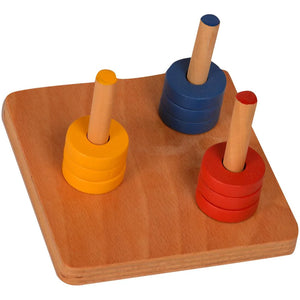
Fine motor skills are crucial for tasks requiring precision and dexterity, such as holding a pencil for writing or buttoning a shirt. Toys that encourage intricate hand movements are vital for developing these skills. For instance, threading beads, solving puzzles, and building with blocks require children to grasp, manipulate, and coordinate small objects, enhancing their pincer grip and control.
Montessori materials like the sandpaper letters, dressing frames, and lacing beads are specifically designed to refine fine motor control. These activities prepare children not only for academic tasks but also for self-care, fostering independence. As children in Bengaluru homes prepare for school, these early experiences lay a strong foundation for future learning.
Gross Motor Skills: Strength and Coordination
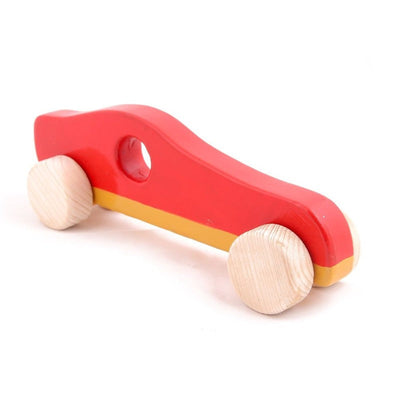
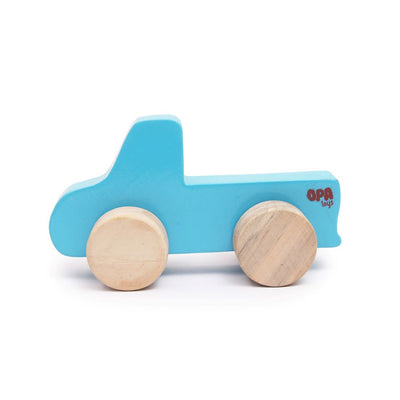
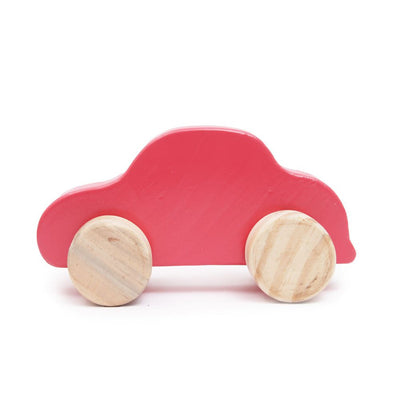
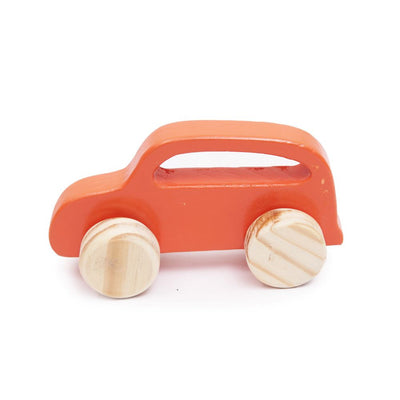
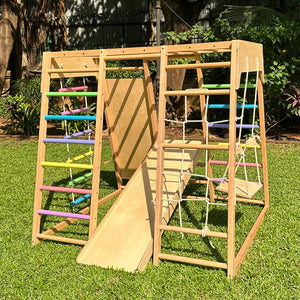
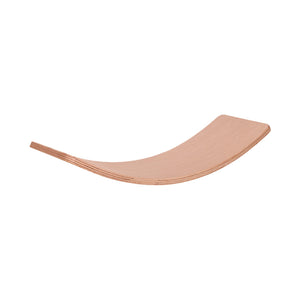
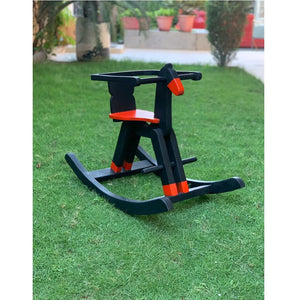
Gross motor skills involve the large muscle groups, enabling children to navigate their environment effectively. Toys that promote active movement are essential here. Push and pull toys, tricycles, balance beams, and climbing structures encourage children to run, jump, balance, and coordinate their bodies, developing strength and spatial awareness.
Even simple activities like rolling a ball or playing hopscotch in the courtyard contribute significantly to gross motor development. Our collection of gross motor toys is designed to encourage energetic play, helping children master balance, agility, and body control. These skills are vital for everything from playing sports to simply maintaining good posture.
Montessori Toys for Motor Development: A Holistic Approach
Maria Montessori's philosophy places immense value on hands-on learning, recognising that a child's mind and body develop in tandem. Montessori toys are not merely playthings; they are 'materials' designed with specific educational purposes, often with a 'control of error' that allows children to self-correct and learn independently. This approach is profoundly beneficial for motor skill development.
Consider the Pink Tower or the Cylinder Blocks; these materials engage children in precise manipulation, graded movements, and visual discrimination, all of which directly enhance fine motor coordination and muscle memory. The self-directed nature of Montessori play encourages deep concentration, allowing children to repeatedly refine movements without external pressure. This focused engagement is crucial for solidifying motor patterns and fostering a sense of accomplishment.
Beyond Playtime: Integrating Toys into Daily Indian Life
In the vibrant tapestry of Indian family life, opportunities for motor skill development through play are abundant. Parents can integrate toys seamlessly into daily routines. For instance, encouraging a child to help set the dining table by carrying lightweight plates (gross motor) or sorting lentils (fine motor) transforms chores into developmental activities. Grandparents, with their wealth of stories and traditional games, can also play a vital role in encouraging active play that builds motor skills.
It's about creating a 'prepared environment' at home, much like Dr. Montessori advocated, where age-appropriate toys are easily accessible and children are encouraged to explore. This holistic approach ensures that motor skill development isn't confined to specific play sessions but is woven into the very fabric of their daily experiences, fostering confident, capable young individuals ready for the world.
- Psychologists confirm that playing with toys is essential for children's comprehensive motor skill development.
- Engaging with toys directly strengthens muscles, improves coordination, and builds crucial neural pathways in a child's brain.
- Fine motor toys enhance precision, dexterity, and hand-eye coordination for tasks like writing and self-care.
- Gross motor toys foster strength, balance, and agility, vital for activities like running and climbing.
- Montessori materials are specifically designed to refine motor skills through purposeful, self-correcting, hands-on learning.
- Integrating diverse toys into daily Indian family life supports continuous motor skill development beyond structured playtime.
What is the primary benefit of toys for motor skill development?
The primary benefit is that toys provide essential, hands-on opportunities for children to practice and refine their fine and gross motor skills. This repetitive engagement strengthens muscles, improves coordination, and enhances neural pathways crucial for physical development.
How do Montessori toys specifically help with motor skills?
Montessori toys are designed with a specific purpose to isolate skills and allow for self-correction, directly enhancing motor development. Materials like the Pink Tower or Cylinder Blocks engage children in precise movements, building concentration and muscle control necessary for fine motor proficiency.
At what age is playing with toys most critical for motor development?
Playing with toys is critical throughout early childhood, especially from infancy through preschool (0-6 years). This period is marked by rapid brain and physical development, where consistent engagement with toys supports the formation of foundational motor skills.
Can screen time replace playing with physical toys for motor development?
No, screen time cannot replace the benefits of playing with physical toys for motor development. Physical toys require children to interact with the three-dimensional world, engaging their hands, bodies, and senses in ways that screens cannot replicate, which is vital for developing real-world coordination.
How can Indian parents encourage motor skill development through play?
Indian parents can encourage motor skill development by providing a variety of age-appropriate toys, creating dedicated play spaces, and actively engaging with their children during play. Involving grandparents and ensuring a balance between academic focus and free play is also crucial.