Winter Clothes Motor Skills: Montessori Guide for Free Movement
Optimal winter clothes for motor skills in children prioritize warmth without restricting natural movement, crucial for developing gross and fine motor abilities. Over-layering, as highlighted in recent news by India Today, can hinder a child's freedom to explore and practice essential physical skills. Montessori principles advocate for dressing that allows children to move, reach, and grasp freely, even in colder Indian climates, fostering independent learning and robust physical development.
Optimal winter dressing for motor skill development involves selecting warm, breathable, and flexible clothing that allows a child's body to move without impedance. This matters because unrestricted movement is fundamental for children to practice and refine both gross motor skills like crawling and walking, and fine motor skills such as buttoning or grasping objects. Indian parents can achieve this by choosing well-fitted, layered clothing that provides warmth without bulk, promoting comfort and developmental progress.
The Unseen Impact of Winter Layering on Child Growth and Motor Skills
Recent reports, including one from India Today, have sparked important conversations among Indian parents regarding the potential downsides of excessive winter layering. While the instinct to protect our children from the cold is natural, an abundance of bulky clothes can inadvertently impede their physical development. Research shows that children need unhindered movement to explore their environment, which is vital for building strong bones, improving circulation, and developing coordination.
When a child is bundled up too tightly, activities like bending, reaching, or even simply turning become challenging. This restriction can slow down the development of essential gross motor skills, such as crawling, walking, running, and jumping. Furthermore, fine motor skills, which involve precise hand and finger movements for tasks like stacking blocks or manipulating small toys, are also compromised when clothing limits dexterity. It's a subtle but significant factor in a child's holistic growth.
Freedom of Movement: A Cornerstone of Montessori Development
Maria Montessori profoundly understood that children learn through doing, and freedom of movement is paramount to this process. In the Montessori philosophy, the environment is carefully prepared to invite exploration and activity, and this extends to how a child is dressed. Restricting clothing goes against the child's natural drive to move and interact with their surroundings, which is how they develop their intellect and physical capabilities.
Child development experts agree that children from infancy (0-1 year) through the early childhood years (1-3 years and 3-6 years) need ample opportunities for unrestricted movement. This includes time on the floor for babies to practice tummy time and rolling, toddlers learning to walk and climb, and preschoolers engaging in active play. Providing lightweight, flexible attire supports the development of large muscle groups and coordination, essential for all gross motor skills.
Choosing Optimal Winter Clothes for Motor Skills in India
Selecting the right winter clothes for motor skills involves a mindful approach, especially with India's diverse climate, from the mild winters of Bengaluru to the chillier North. The key is strategic layering rather than heavy single garments. Start with a breathable base layer, like soft cotton or merino wool, which wicks moisture and regulates temperature. Add a mid-layer for warmth, such as a fleece or a light sweater. The outer layer should offer protection from wind and cold but still allow for flexibility.
Opt for clothes that are well-fitted but not tight, ensuring ease of movement in the shoulders, elbows, knees, and hips. Avoid overly stiff fabrics or clothes with too many cumbersome attachments. For toddlers and preschoolers, this means selecting trousers that don't bunch up excessively, and jackets that aren't too bulky around the arms. For infants, ensure sleepwear allows for kicking and stretching, crucial for early motor development.
Empowering Self-Dressing and Independence
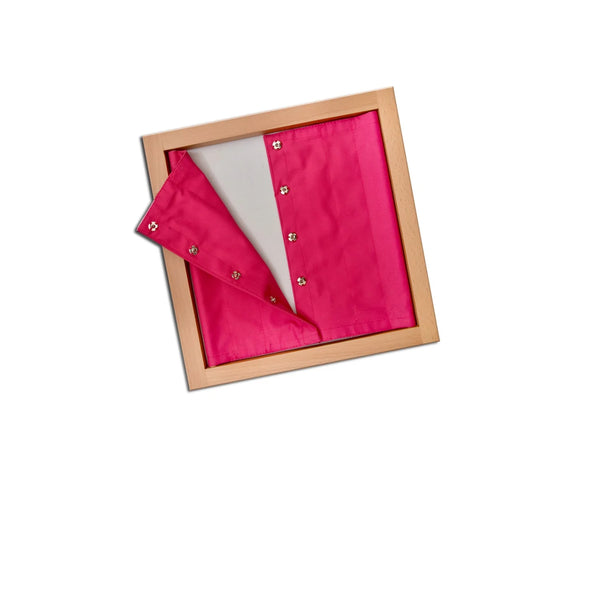
Beyond just facilitating movement, thoughtful clothing choices also foster independence, a core Montessori value. Clothes that are easy for children to put on and take off themselves – such as elastic-waist trousers, pullover sweaters, or jackets with large zippers – encourage the development of practical life skills. Around 18-24 months, children start showing interest in self-dressing. Providing them with manageable clothing allows them to practice the fine motor skills involved in buttoning, zipping, and pulling, boosting their confidence and autonomy.
Engaging Indoor Motor Skills Games and Montessori Winter Activities
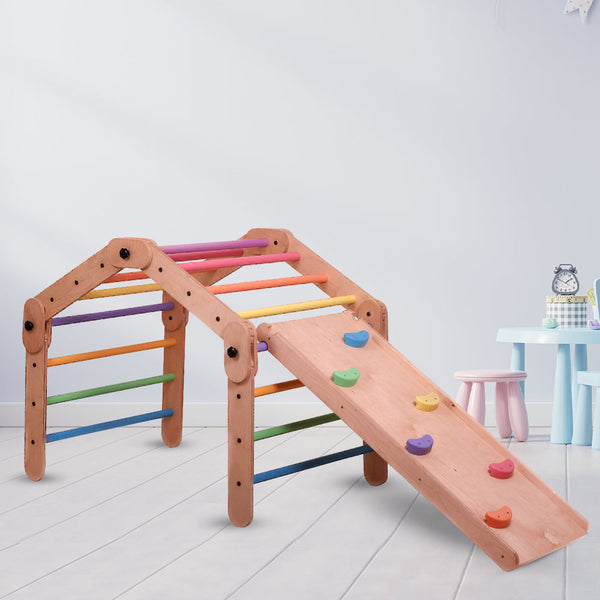
When outdoor play is limited by colder weather, especially in Indian homes that might not have extensive outdoor spaces, engaging indoor motor skills games becomes crucial. These activities don't just keep children occupied; they actively support their physical and cognitive development. Think about creating a safe indoor obstacle course using cushions and blankets for crawling and climbing, or encouraging simple dance and movement to music.
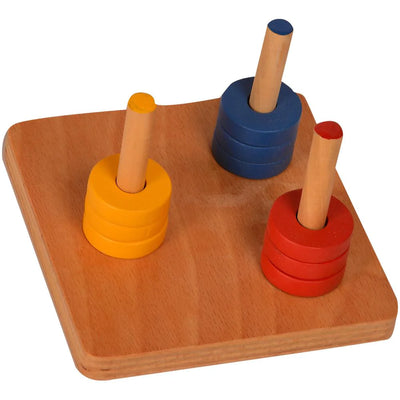
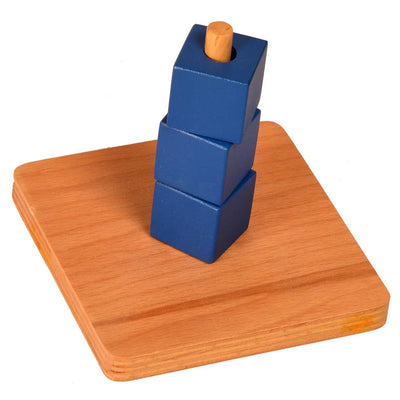
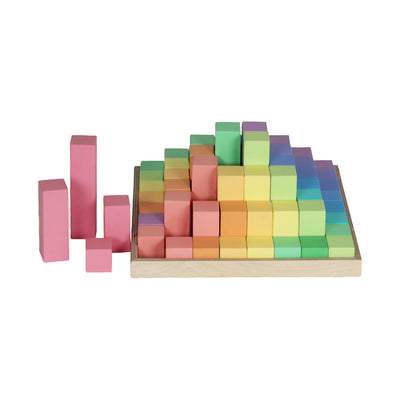
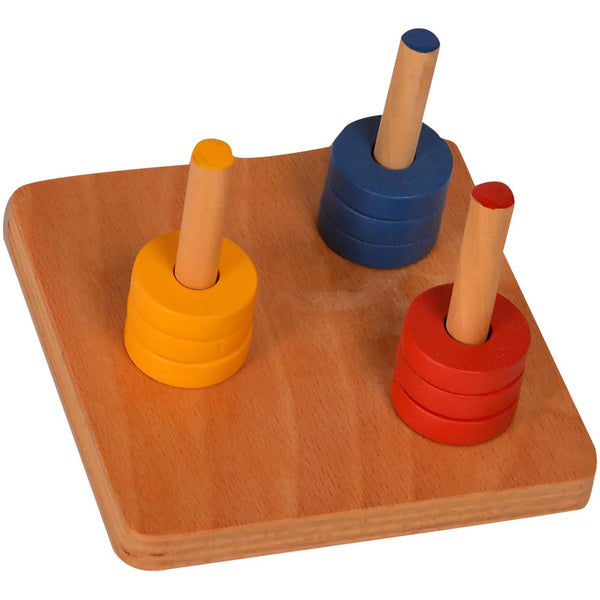
For refining fine motor skills, Montessori materials offer excellent opportunities. Activities involving sorting, stacking, lacing, and puzzles are perfect for focused indoor play. SkilloToys offers a range of fine motor skill development toys like our iconic pink tower, sandpaper letters, or various practical life materials that support concentration and dexterity. These structured activities are invaluable for preparing children for academic tasks, fostering hand-eye coordination and problem-solving. Explore our wider collection of Montessori learning materials designed to encourage self-directed discovery and development.
Supporting Holistic Child Development in Winter
While physical development is paramount, remember that motor skills are intertwined with cognitive and social-emotional growth. Experts emphasize that active children are often more attentive and better problem-solvers. The "padhai pivot" – closing the school-readiness gap – as discussed in Ideas for India, indirectly benefits from robust motor skill development, as it underpins many early learning tasks. Ensuring your child has the freedom to move and play, even in winter, supports their overall readiness for school and life. This approach helps in building a stronger foundation for Viksit Bharat 2047, by nurturing well-rounded, capable individuals from a young age.
- Optimal winter clothes for children should prioritize warmth without restricting natural movement.
- Excessive layering can hinder the development of both gross and fine motor skills in children.
- Maria Montessori's philosophy emphasizes freedom of movement as essential for a child's learning and development.
- Strategic, well-fitted layering with breathable fabrics is recommended for Indian winters.
- Engaging in indoor motor skills games and Montessori activities is vital during colder months.
- Thoughtful clothing choices also promote a child's independence and practical life skills.
Why is layering in winter considered harmful for child development?
Excessive or bulky layering can restrict a child's natural movement, impeding their ability to crawl, walk, and use their hands freely. This directly impacts the development of gross and fine motor skills, potentially slowing down physical milestones and hindering exploration essential for cognitive growth.
What are the best types of winter clothes for active children?
The best winter clothes for active children are those that allow for warmth and flexibility through strategic layering. Opt for breathable base layers (cotton/merino), warm but lightweight mid-layers (fleece/light wool), and a flexible outer layer. Ensure clothes are well-fitted but not tight, especially around joints.
How does Montessori philosophy apply to winter dressing?
Montessori philosophy champions freedom of movement, recognizing it as fundamental to a child's self-directed learning and development. This applies to winter dressing by advocating for clothing that allows children to move, reach, and interact with their environment without restriction, fostering independence and physical capability.
What are some indoor motor skills games for children in winter?
Indoor motor skills games can include creating obstacle courses with cushions, simple dance routines, or active games like "follow the leader." For fine motor development, activities like sorting objects, building with blocks, lacing beads, or working with puzzles are highly effective and engaging.
At what age can children start to dress themselves?
Children typically begin to show interest in dressing themselves around 18-24 months and can master simple tasks like pulling up trousers or putting on socks. By ages 3-4, with encouragement and practice, many can dress themselves with minimal assistance, especially if clothes are easy to manage.