Wooden Puzzles for Kids: Boosting Motor Skills, Montessori Guide
Wooden puzzles for kids are exceptional tools for developing essential motor skills by engaging children in tasks that refine pincer grasp, hand-eye coordination, and dexterity. Studies indicate that these educational puzzles, especially those inspired by Montessori principles, significantly enhance fine motor development and problem-solving abilities crucial for early childhood milestones. For Indian parents, understanding how these simple yet profound toys contribute to a child's holistic growth is key to fostering a strong foundation.
What are Montessori Wooden Puzzles?
Montessori wooden puzzles are specially designed educational toys that encourage self-directed learning and the development of specific skills through hands-on manipulation. They often feature simple designs, self-correcting mechanisms, and are made from natural materials, aligning with Dr. Maria Montessori's philosophy. This approach fosters concentration, independence, and a deep understanding of concepts through practical experience.
Why Motor Skills are Crucial for Every Indian Child
In today's fast-paced world, preparing children for school readiness and future success goes beyond academics. Strong motor skills are fundamental, impacting everything from writing and drawing to dressing independently. As India moves towards a 'Viksit Bharat 2047,' ensuring children close the school-readiness gap means equipping them with foundational skills, and motor development is at its core. Research shows that early intervention in motor skill development can significantly improve a child's overall learning trajectory.
The importance extends to physical well-being and cognitive function. A recent study highlighted by the Deccan Herald suggests that sports can significantly improve motor skills in children, particularly those with autism, underscoring the broad benefits of physical engagement. Early development of hand-eye coordination and spatial awareness through activities like playing with gross motor skill toys and fine motor puzzles can lay the groundwork for a healthy, active lifestyle and future participation in sports, aligning with the call for India's Long-Term Sports Development Model.
The Montessori Advantage of Wooden Puzzles for Motor Skills
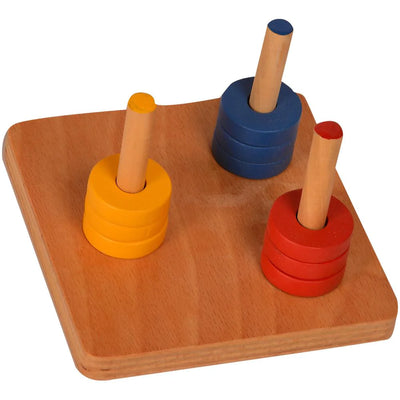
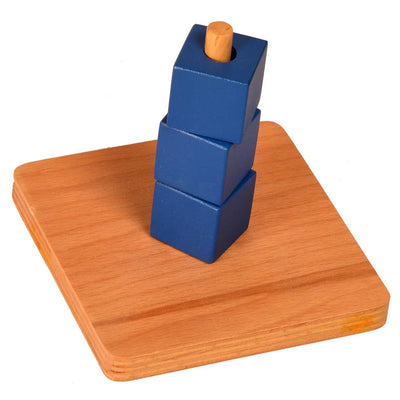
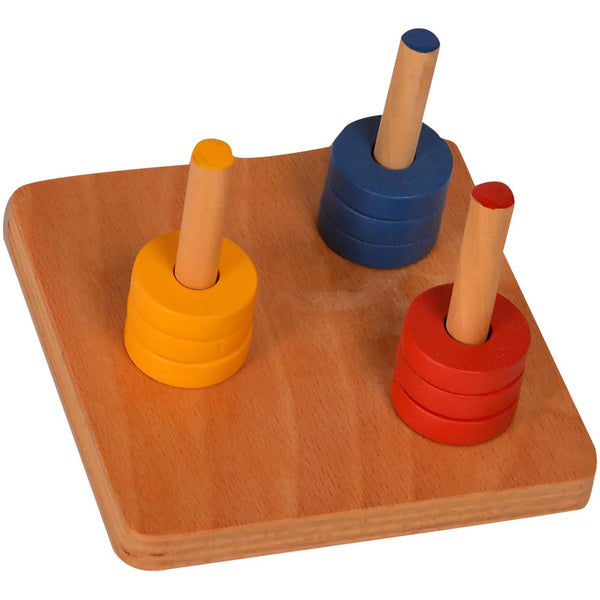
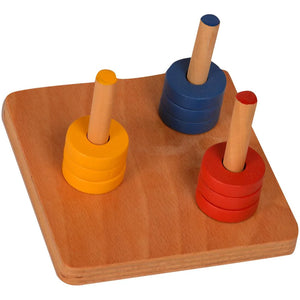
Montessori wooden puzzles are not just toys; they are carefully designed learning materials. Each puzzle piece, whether a simple geometric shape or a knobbed cylinder from the sensorial collection, offers a unique opportunity for development. The self-correcting nature of these Montessori learning materials allows children to learn from their mistakes independently, building confidence and fostering a 'can-do' attitude.
Child development experts agree that this independent problem-solving is invaluable. It encourages children to persist, observe patterns, and refine their movements without constant adult intervention. For many Indian families, where grandparents often play a pivotal role in early education, these puzzles offer a beautiful blend of traditional play and modern pedagogical principles.
Boosting Fine Motor Skills with Puzzles for Kids
One of the primary benefits of engaging with wooden puzzles for kids is the profound impact on fine motor skills. These are the small, precise movements of the hands and fingers crucial for everyday tasks. Manipulating puzzle pieces, especially those with small knobs, naturally refines a child's pincer grasp – the coordinated movement of the thumb and index finger.
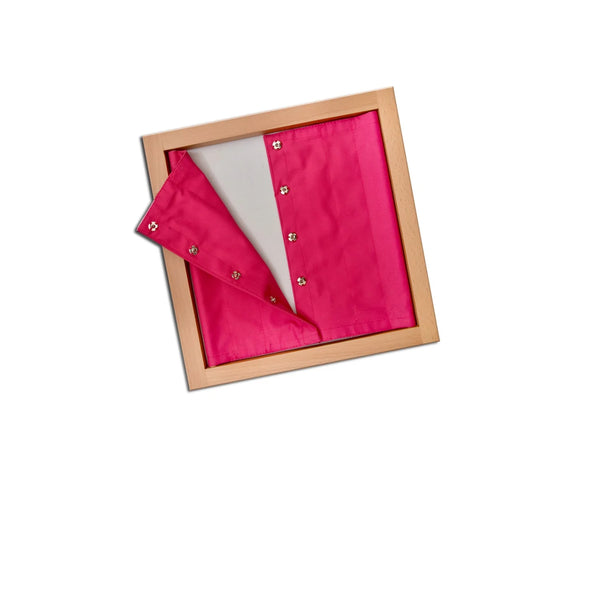
Activities like picking up, turning, and placing puzzle pieces directly strengthen hand muscles and improve dexterity. This is essential for future skills like holding a pencil correctly, buttoning clothes, or tying shoelaces, all vital milestones for school-aged children. Parents looking for targeted fine motor skill toys will find wooden puzzles to be highly effective and engaging tools.
Enhancing Hand-Eye Coordination and Cognitive Development with Educational Puzzles
Beyond fine motor skills, educational puzzles for kids are powerhouses for developing hand-eye coordination. This skill involves the brain processing visual information and guiding the hands to perform a corresponding action. When a child looks at a puzzle piece, identifies its correct spot, and then accurately places it, they are actively strengthening this crucial connection.
Furthermore, puzzles are excellent for cognitive development. They challenge children to think spatially, recognize shapes, solve problems, and develop critical thinking. Completing a puzzle gives a sense of accomplishment, boosting self-esteem and encouraging a love for learning. This combination of physical and mental engagement makes them indispensable in a child's early learning journey.
Choosing the Right Wooden Puzzles for Your Child
Selecting age-appropriate wooden puzzles is vital for maximizing their developmental benefits. For toddlers (12-24 months), start with simple peg puzzles or single-piece inset puzzles. As they approach 2-3 years, introduce multi-piece puzzles with larger, chunky pieces featuring familiar objects or animals. For preschoolers (3-5 years), more complex geometric puzzles, layered puzzles, or storytelling puzzles can provide greater challenge and encourage narrative skills.
Always prioritize puzzles made from non-toxic, child-safe wood with smooth edges. Consider the child's interest – if they love animals, an animal-themed puzzle will be more engaging. For many Indian families, puzzles make thoughtful gifts during festivals like Diwali or as birthday presents, providing a screen-free alternative that supports development.
Integrating Puzzles into Daily Play
Incorporating wooden puzzles into a child's routine doesn't require elaborate setups. Create a dedicated 'learning corner' at home, easily accessible for your child. Encourage independent play, allowing them to explore and solve puzzles at their own pace. Joint family setups often provide wonderful opportunities for older siblings or grandparents to guide and engage with younger children during puzzle time, making it a shared, joyful activity.
Remember, the goal is engagement and exploration, not perfection. Celebrate small victories and focus on the process of learning. Consistent exposure to these stimulating activities builds concentration and patience, qualities that will serve them well in school and beyond.
- Wooden puzzles are foundational for developing fine motor skills in young children.
- Montessori puzzles foster self-correction, concentration, and independent learning.
- Consistent puzzle play significantly improves hand-eye coordination and spatial reasoning.
- Engaging with puzzles boosts problem-solving abilities and critical thinking from an early age.
- Choosing age-appropriate wooden puzzles ensures optimal developmental benefits and engagement.
- Puzzles offer a screen-free, tactile experience vital for holistic child development in India.
At what age should kids start playing with wooden puzzles?
Children can begin with simple wooden puzzles, like single-piece shape sorters or knobbed puzzles, as early as 12-18 months. As they grow, typically from 2-3 years, they can progress to more complex multi-piece puzzles that challenge their developing skills.
How do wooden puzzles improve hand-eye coordination?
Wooden puzzles enhance hand-eye coordination by requiring children to visually assess a puzzle piece and then precisely guide their hand to place it correctly. This repeated action strengthens the communication between the visual system and motor control, crucial for tasks like writing and sports.
What kind of wooden puzzles are best for fine motor skills?
Puzzles with knobs, chunky pieces, and geometric shapes are excellent for developing fine motor skills, including the pincer grasp. Inlaid puzzles and peg puzzles also require precise manipulation, directly strengthening finger and hand muscles for tasks like buttoning and drawing.
How often should my child play with wooden puzzles?
Child development experts recommend integrating puzzle play into a child's daily routine, even for short, focused periods of 10-15 minutes. Consistent engagement, rather than long infrequent sessions, is most effective for skill reinforcement and maintaining interest.
Are wooden puzzles better than plastic puzzles for development?
Wooden puzzles are often preferred in Montessori education due to their tactile feedback, durability, and natural aesthetic. While plastic puzzles can also be educational, wooden options offer a richer sensory experience and are generally considered more sustainable and long-lasting.