Wooden Toys for Kids: Boosting Motor Skills, Montessori Way
Wooden toys for kids are exceptional tools for motor skill development because their simple, tactile nature encourages hands-on exploration and problem-solving, aligning perfectly with Montessori principles. These toys naturally invite children to grasp, stack, sort, and manipulate, thereby strengthening both fine motor skills, like the pincer grasp crucial for writing, and gross motor skills, such as balance and coordination needed for active play.
As parents across India, from Bengaluru's bustling tech hubs to the quieter towns, we are constantly seeking ways to give our children the best start. The 'padhai pivot' conversation around school readiness and foundational learning, highlighted by initiatives like Viksit Bharat 2047, underscores the importance of early development beyond academics. This includes robust physical development, and that's where the timeless appeal and profound benefits of wooden toys come into play.
What are Motor Skills and Why Do They Matter?
Motor skills are the abilities that enable us to control our body movements, from large actions like walking and running (gross motor) to small, precise actions like writing and picking up tiny objects (fine motor). This matters because robust motor skill development forms the bedrock for academic readiness, self-care, and confident interaction with the world. Indian parents can actively foster these skills by providing enriching play environments that encourage physical exploration.
The Indian Academy of Pediatrics (IAP) consistently emphasizes the critical role of physical activity and sensory experiences in a child's holistic development. Strong motor skills in a child like 4-year-old Rhea, who can confidently stack blocks or cut with child-safe scissors, mean she's better prepared for the demands of kindergarten, from holding a pencil to navigating the playground.
Benefits of Wooden Toys for Kids: Beyond Simple Play
Wooden toys offer a unique blend of simplicity and engagement that actively promotes physical and cognitive development. Unlike their plastic counterparts, these motor skills wooden toys often lack batteries, flashing lights, or loud sounds. This intentional design encourages children to be the active agents in their play, rather than passive observers.
Research consistently shows that open-ended toys, like wooden blocks or shape sorters, stimulate creativity and problem-solving skills more effectively. A child manipulating a wooden puzzle must use their spatial reasoning and hand-eye coordination to fit pieces, tasks that build neural pathways essential for later learning. The tactile experience – the smooth grain, the satisfying clunk – engages senses without overstimulation, fostering deeper concentration, a skill highly valued in Indian education.
Montessori Wooden Toys: Precision for Fine Motor Development
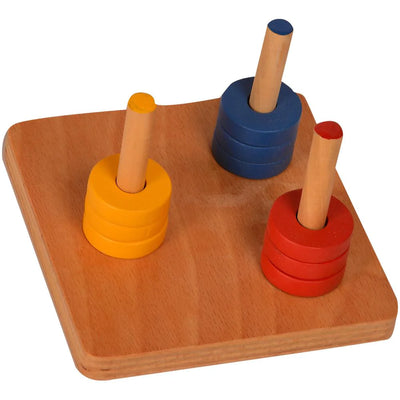
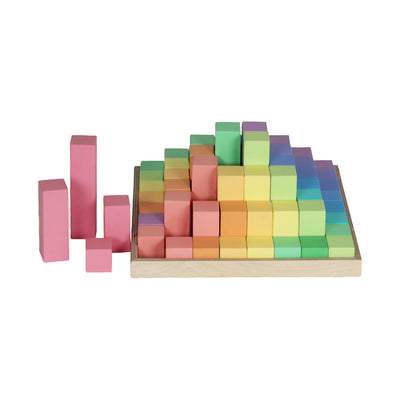
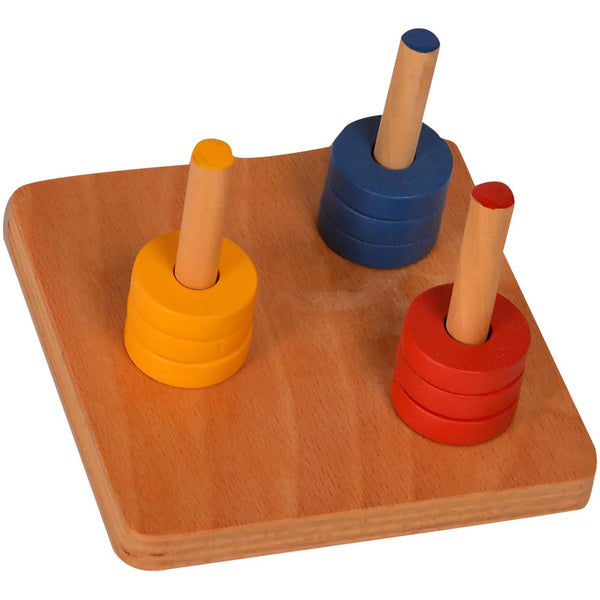
Maria Montessori's philosophy deeply values natural, self-correcting materials that allow children to develop independence and mastery. Montessori wooden toys are specifically designed with this in mind, targeting fine motor skills with remarkable precision. Consider the fine motor skills toys like the Pink Tower, where precise stacking refines grip and visual discrimination, or wooden bead stringing sets that demand delicate finger control.
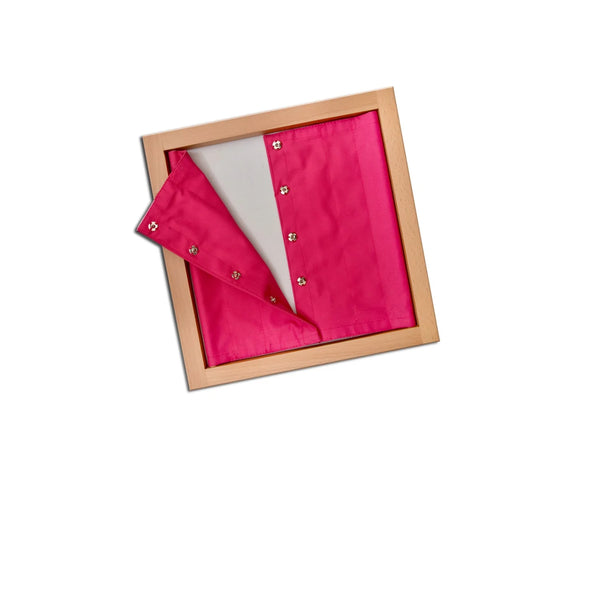
For a toddler like Aarav in a Chennai joint family, carefully inserting a wooden peg into a matching hole isn't just play; it's building the muscle memory and coordination for holding a spoon, buttoning a shirt, and eventually, writing his name. These activities strengthen the pincer grasp – the thumb and forefinger grip – which is a foundational skill for academics. Studies indicate a strong correlation between a well-developed pincer grasp in preschoolers and early literacy skills, proving that these 'simple' wooden toys are powerful educational tools.
Gross Motor Skills Wooden Toys: Building Strength and Balance
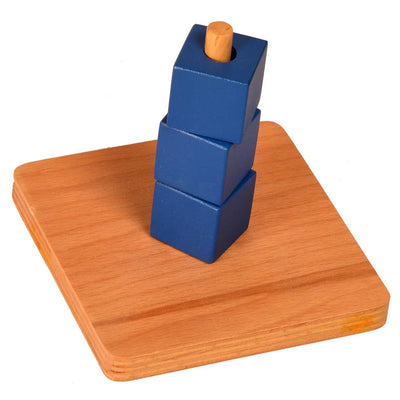
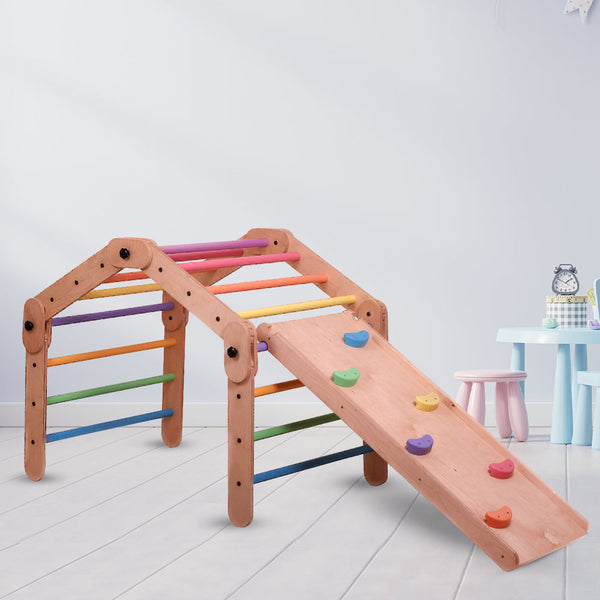
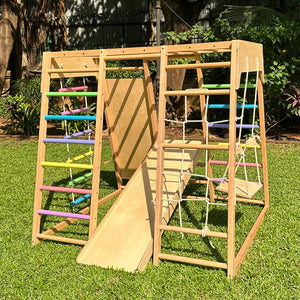
While fine motor skills focus on smaller movements, gross motor skills involve the larger muscle groups crucial for mobility and balance. Wooden toys are excellent for cultivating these too. Think of a sturdy wooden push-cart, providing stability for a wobbly walker, or large wooden stacking blocks that encourage crawling, reaching, and even careful climbing. These activities are vital for developing core strength and coordination.
Imagine 2-year-old Priya in her Delhi apartment, pushing a wooden trolley across the room, filling it with other wooden toys, and then carefully unloading them. This repetitive action builds leg strength, spatial awareness, and confidence in movement. Even simple wooden ring toss games, often seen during Indian festivals, can refine hand-eye coordination and throwing accuracy, contributing to robust physical development.
Choosing the Right Educational Wooden Toys for Your Child
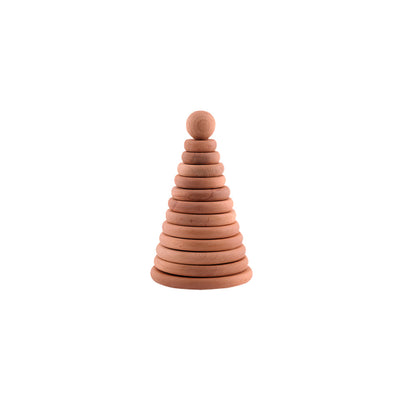
When selecting educational wooden toys, consider your child's developmental stage and interests. Look for toys that are open-ended, allowing for multiple ways to play, rather than toys with a single function. For infants (0-1 year), graspable rattles and textured blocks are ideal. Toddlers (1-3 years) benefit from stackers, shape sorters, and simple puzzles. Preschoolers (3-6 years) will engage with more complex puzzles, lacing beads, and building sets.
It's also essential to observe your child's current abilities. If your 3-year-old struggles with fine motor tasks, opt for larger wooden beads to string before moving to smaller ones. Remember, the goal is not perfection, but continuous engagement and gradual skill building. The durable nature of Montessori method learning materials and toys ensures they can be passed down through generations, making them a sustainable and cherished part of your family's learning journey.
Beyond the Toy: The Parent's Role in Motor Skill Development
While wooden toys are excellent tools, your interaction as a parent is equally crucial. Observe your child's play, offer encouragement, and resist the urge to 'fix' their creations. Allowing a child to struggle a little with fitting a wooden block or balancing a stack fosters resilience and problem-solving. This kind of self-directed play, often facilitated by the simplicity of wooden toys, builds an internal locus of control vital for a child's independence.
Consider the wisdom of our grandparents, who often encouraged hands-on activities, from helping knead dough to stringing marigolds for puja. These daily tasks, inherently rich in motor skill development, remind us that learning happens in every moment. By providing a curated environment of engaging wooden toys and ample opportunity for exploration, you are actively supporting your child's physical prowess, preparing them not just for school, but for a confident, capable future in a 'Viksit Bharat'.
A simple action you can take tonight: Instead of directing, set out a few wooden blocks or a simple wooden puzzle. Sit nearby, engage in your own quiet activity, and simply observe. You might be amazed at the focused creativity your child displays, all while silently strengthening those vital motor skills. Their quiet clunks and determined concentration are the sounds of development in progress.