Wooden Toys for Kids: Fix Screen-Time Posture & Spine Health
Recent reports from ETHealthworld.com have raised a significant alarm for Indian parents: excess screen time and poor posture are seriously contributing to children's spine health issues. This concerning trend highlights an urgent need for alternatives that promote healthy physical development. Fortunately, the purposeful design of Montessori wooden toys for kids offers a scientifically-backed solution, encouraging natural movement and robust posture right from a young age.
Good posture in children is the natural alignment of their body, allowing bones, muscles, and ligaments to function efficiently with minimal strain. This matters immensely because it supports healthy spinal development, improves breathing, and boosts concentration. Indian parents can proactively foster good posture by encouraging active, screen-free play with engaging educational tools.
The Screen-Time Scourge: Why Experts are Worried About Children's Spine Health
From the bustling streets of Bengaluru to the quiet lanes of a tier-2 city, the sight of a child hunched over a smartphone or tablet is becoming all too common. Experts, as highlighted in ETHealthworld.com, are increasingly vocal about the alarming rise in spinal problems among children, directly linking it to prolonged screen time and sedentary lifestyles. Even prominent figures like Kareena Kapoor Khan acknowledge the challenge, revealing strict screen-time rules for her children, Taimur and Jeh, emphasizing the need to be 'hyper about this.'
This sustained, forward-head posture, colloquially known as "text neck," places immense strain on a child's still-developing spine. Think of a 3-year-old spending hours looking down at a screen; the weight of their head, already substantial, feels much heavier when bent forward, stressing the cervical vertebrae. Over time, this can lead to muscle imbalances, discomfort, and potentially more serious spinal issues that may impact them throughout their lives.
How Montessori Wooden Toys Counter Screen-Time Spine Issues
The beauty of Montessori wooden toys for kids lies not in flashy lights or engaging sounds, but in their deliberate simplicity. This 'boring' design isn't a flaw; it's a profound pedagogical feature. It compels children to be the active agents of their play – to move, manipulate, and focus their bodies. This active engagement, unlike passive screen consumption, inherently builds core strength, spatial awareness, and a natural proprioceptive sense, which are the fundamental building blocks of healthy posture.
Maria Montessori's philosophy emphasizes purposeful activity and hands-on learning, which naturally translates into physical engagement. When a child interacts with a Montessori material like the Pink Tower, they must sit upright, reach, carefully stack blocks, and maintain balance. This requires constant, subtle adjustments of their core muscles and spine, strengthening them over time. Similarly, intricate activity kits and wooden puzzles demand fine motor skills and sustained, focused sitting, encouraging stable trunk posture.
Building Core Strength and Proprioception with Educational Wooden Toys India
A strong core is the foundation for healthy posture, supporting the spine and allowing for fluid movement. Many educational wooden toys India offers are exceptional tools for developing this crucial strength. When a child manipulates wooden shapes, sorts objects into containers, or builds with blocks, they are engaging their abdominal and back muscles without even realizing it. This isn't about formal exercise; it's about integrated, natural movement that builds functional strength.
Furthermore, these toys enhance proprioception – the body's ability to sense its position and movement in space. The satisfying weight and texture of a wooden block, the precision required to fit a puzzle piece, or the balance needed to stack a wobbly tower all provide rich sensory input. This feedback helps a child, whether it's 2-year-old Vivaan in a joint family setting playing on the floor with his grandparents or a 5-year-old Anya in her Bengaluru apartment, develop better body awareness, making them more conscious of their posture and how to correct it naturally.
Practical Steps for Indian Parents: Integrating Wooden Toys for Healthy Posture
Empowering your child with better posture starts with mindful choices at home. Here's how Indian parents can leverage wooden toys for kids to promote healthier spine development:
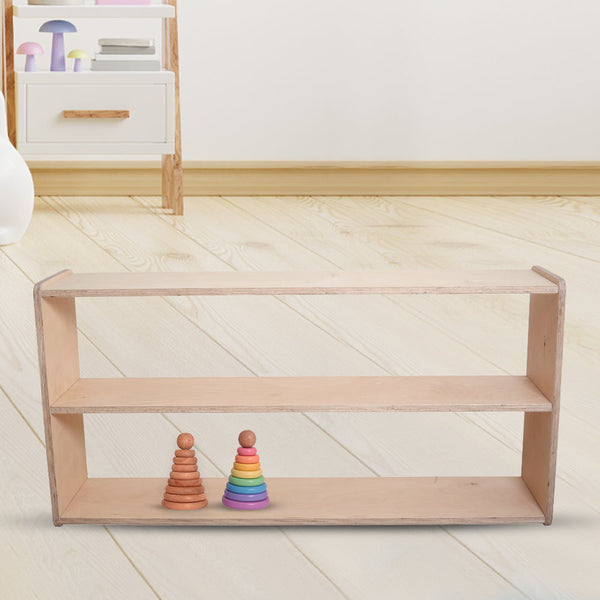
- Create a "Movement-Rich" Play Zone: Designate a safe, clutter-free area, preferably on the floor, where your child can freely sit, kneel, reach, and manipulate toys. Encourage playing on a firm surface rather than a soft sofa, which can encourage slouching.
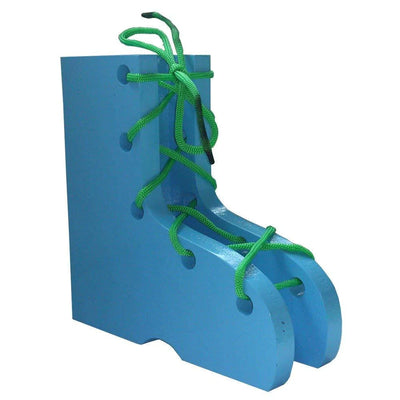
- Introduce Posture-Promoting Toys: Offer a variety of Montessori wooden toys that encourage upright sitting, reaching, and fine motor skills. Think stacking games, lacing beads, shape sorters, and building blocks. These naturally invite good posture.
- Model Good Posture Yourself: Children learn by imitation. If parents are often hunched over screens, children are likely to follow suit. Be mindful of your own posture during family time.
- Encourage Active Play Sessions: Instead of passive screen consumption, engage in short, focused play sessions with wooden toys. Guide your child to sit tall, reach for objects, and concentrate on the task, gently reminding them about their body position.
- Limit Screen Time with Purpose: Take inspiration from the news and experts. Setting clear boundaries for screen usage creates more opportunities for beneficial, active play. When screens are used, ensure ergonomic positioning, though the primary goal remains reducing overall screen exposure.
The power of purposeful play with simple wooden toys cannot be overstated. By choosing materials that invite active engagement and natural movement, Indian parents can proactively safeguard their children's spine health, building a foundation for healthy posture and vibrant physical development that lasts a lifetime.