Screen-Time Rules for Kids: Kareena's Montessori Approach
Setting strict screen-time rules for kids is a growing concern for Indian parents, and many are drawing inspiration from public figures like Kareena Kapoor Khan, who recently shared her firm approach to managing her children's digital exposure. This proactive stance is critical, as experts increasingly highlight the detrimental effects of excessive screen time on children's health, including concerns about posture and spine development, as reported by ETHealthworld.com. By embracing Montessori alternatives, Indian parents can effectively enforce these rules, nurturing their children's development with enriching, hands-on experiences.
What are Effective Screen-Time Rules for Kids?
Strict screen-time rules for kids are structured limits on digital media exposure, often involving specific durations, content, and times. This matters because excessive screen time impacts cognitive development, attention spans, and even physical health, as experts note concerns about children's spine health. Indian parents can implement these rules by offering engaging, real-world Montessori alternatives that foster natural learning.
Kareena Kapoor Parenting: A Blueprint for Screen Discipline
Kareena Kapoor's recent revelation about her "hyper" approach to managing Taimur and Jeh's screen time resonates deeply with many Indian parents. Her philosophy isn't about outright deprivation, but about intentional limits and providing compelling alternatives. This mirrors a core Montessori principle: children thrive when given purposeful work in a prepared environment, naturally choosing engaging activities over passive consumption.
Child development experts agree that a consistent, firm approach to screen limits is vital. Research indicates that children under 5 years old should have no more than one hour of screen time per day, and even then, it should be high-quality content co-viewed with a parent. This isn't always easy in a bustling Bengaluru apartment or a joint family home in Chennai, but it's an achievable goal with the right strategies.
Montessori Screen-Free Parenting: Cultivating Real-World Engagement
The Montessori method offers a powerful framework for achieving a screen-free or screen-limited childhood. Instead of simply removing screens, Montessori focuses on filling that void with meaningful activities that stimulate all senses and foster independence. It's about empowering children to discover the joy of real-world interaction, from manipulating objects to exploring their immediate surroundings.
Maria Montessori observed that children have an innate drive to learn and explore. When provided with a rich environment, they will naturally gravitate towards purposeful activities. This is particularly relevant for Indian parents looking to reduce screen time India, offering a practical alternative to digital distractions that aligns with traditional values of hands-on learning and family engagement.
Practical Montessori Alternatives to Reduce Screen Time India
Replacing screen time doesn't have to be complicated or expensive. It's about providing opportunities for sensory engagement, fine motor skill development, and imaginative play. Consider setting up a dedicated 'Montessori corner' in your home, even if it's just a small mat with a few carefully chosen items.
- Practical Life Activities: Involve your child in everyday chores like washing vegetables, setting the table, or sweeping. These activities build concentration, coordination, and a sense of responsibility. A 3-year-old in Delhi, for instance, can gain immense satisfaction from helping sort lentils for dinner.
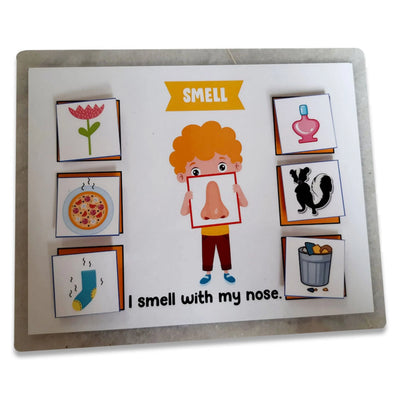
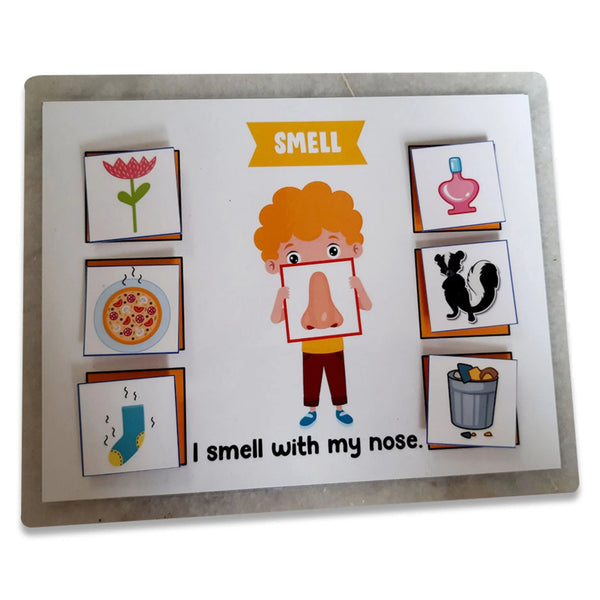
- Sensory Exploration: Offer materials that engage multiple senses. Wooden blocks provide tactile feedback and visual appeal, while playdough stimulates creativity and fine motor skills. Pouring water from one jug to another, a simple yet profound Montessori activity, captivates young minds.
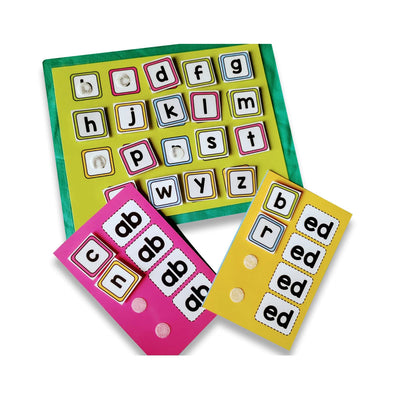
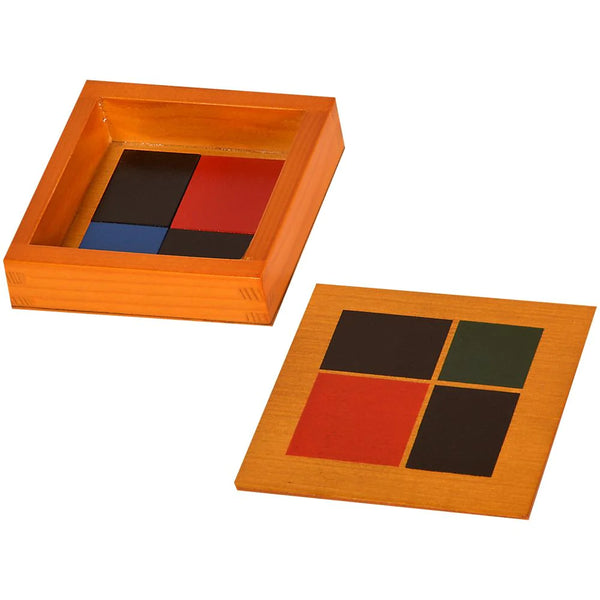
- Building and Constructing: Provide open-ended Montessori learning materials like building blocks, puzzles, and stacking toys. These encourage problem-solving, spatial reasoning, and creative expression. The satisfying clunk of one wooden block landing on another is far more engaging than swiping on a tablet.
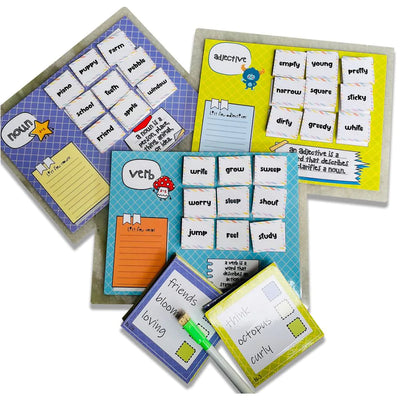
- Art and Craft: Simple art supplies like crayons, paper, child-safe scissors, and glue offer endless possibilities for expression. Engaging with activity kits that encourage painting, drawing, or clay modelling can captivate a child for hours, fostering focus and creativity.
Enforcing Educational Toys for Screen Time: Strategies for Indian Homes
Implementing screen-time rules, especially with the influence of extended family, requires a strategic approach in Indian households. Here's how to make it work:
- Communicate with Grandparents: Grandparents often mean well but might not be aware of the latest research on screen time. Gently explain your reasoning and involve them in alternative activities. Suggest they read stories, play traditional games like Carrom, or engage with your child using educational toys instead of offering a phone.
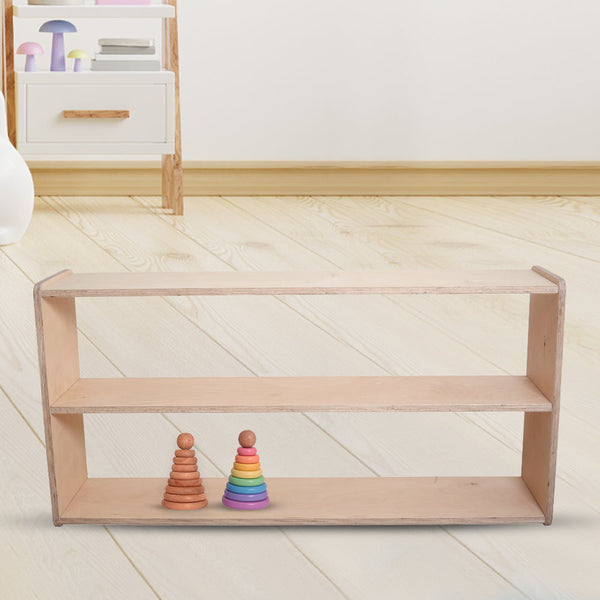
- Create a 'Prepared Environment': Ensure that engaging alternatives are readily accessible and appealing. If a child sees a basket of interesting educational toys for screen time and activity kits, they are far more likely to choose them over a screen. Rotate toys to keep interest high.
- Be Consistent: This is perhaps the most challenging but crucial step. Whether it's a no-screens-during-meals rule or a fixed daily limit, stick to it. Children thrive on predictability, and consistent boundaries provide security. A unified approach from both parents is key.
- Model Good Behavior: Children learn by observing. If parents are constantly on their phones, it's harder to enforce screen-time rules. Schedule 'family screen-free' times, perhaps during dinner or dedicated play periods, setting an example for your child.
- Involve the Child in the 'Why': For older children (4+), explain in simple terms why screen limits are in place. Discuss how too much screen time can make them tired or affect their focus at school. This fosters understanding and cooperation.
Embracing a Montessori approach to screen-free parenting, much like Kareena Kapoor's disciplined stance, offers a pathway to healthier, more engaged childhoods. It's about providing enriching experiences that allow children to develop their full potential, away from the glow of a screen and into the vibrant world of hands-on learning and exploration. Start today by curating a stimulating environment with purposeful educational toys, and watch your child flourish.