Maharashtra Play-Based Learning Roundtable Insights
The Maharashtra play-based learning roundtable, held recently in Ahilyanagar, unequivocally highlighted the urgent need for integrating play-based learning into early childhood education across India. This landmark event, as reported by NDTV, firmly establishes a policy-level commitment to moving beyond rote learning and fostering holistic child development from the crucial early years. It is a beacon of hope for Indian parents and educators seeking a more joyful and effective approach to learning.
This inaugural roundtable marks a pivotal moment for early childhood education in Maharashtra and, by extension, across the nation. The discussions reflect a growing consensus, championed by organizations like UNICEF, that the first five years are indeed the most critical stage of learning and development, as emphasized by The Hans India. SkilloToys stands at the forefront of this movement, bringing these insights directly to your homes.
What is Play-Based Learning?
Play-based learning is an educational approach where children learn through actively engaging in play, exploring, discovering, and solving problems. This matters because it fosters critical thinking, creativity, social-emotional skills, and a lifelong love for learning, crucial for overall development. Indian parents can empower their children by providing rich play environments at home, encouraging self-directed exploration.
Key Takeaways from the Maharashtra Roundtable
- The Maharashtra play-based learning roundtable underscored a strong governmental intent to prioritize early childhood education reform, focusing on joyful, experiential learning methods over traditional rote memorization.
- Experts at the Ahilyanagar education roundtable advocated for comprehensive educator training programs to equip teachers with effective play-based pedagogical skills, recognizing them as facilitators, not just instructors.
- Research shows that 90% of a child's brain development occurs before age five, making play-based learning in early years critical for cognitive, social, and emotional growth in the Indian context.
- Discussions emphasized the need for a collaborative approach, uniting government bodies, educational institutions, and parents to successfully implement new play-based learning India policy frameworks.
- Child development specialists affirmed that integrating culturally relevant play activities can significantly enhance learning outcomes and build strong foundational skills among Indian children.
- The roundtable established a clear mandate for developing adaptable curricula that honor diverse learning styles, promoting inclusive early childhood education Maharashtra-wide.
Early Childhood Education Maharashtra: A New Dawn for Learning
The commitment shown by the early childhood education Maharashtra roundtable validates what developmental psychologists and educators, including Maria Montessori, have championed for over a century: that early childhood is a distinct and vital period of human development. Studies indicate that children engaged in play-based learning demonstrate significantly higher problem-solving abilities and creativity compared to those in traditional academic settings. This is particularly relevant in India, where the pressure to perform academically often overshadows the joy of discovery.
For children aged 18-24 months, simple activities like stacking blocks or sorting objects are not just play; they are foundational lessons in spatial awareness and logical sequencing. Our activity kits are specifically designed to support this natural developmental process, offering structured yet playful experiences. This approach helps young learners build crucial cognitive frameworks that serve them throughout their academic journeys and beyond.
From Rote to Rich Experiences: Policy Shifts & The Future of Play in India
The discussions at the roundtable are a testament to a progressive vision for the future of play-based learning India, actively challenging the prevalent academic pressure that burdens many young children. For too long, Indian education has focused on rote memorization, often stifling curiosity and creativity. The new play-based learning India policy considerations aim to reverse this trend, advocating for learning environments that prioritize engagement and understanding over mere recall.
Child development experts agree that imposing academic pressure on children below six years can lead to increased anxiety and decreased intrinsic motivation for learning. Instead, materials like puzzles, for example, teach patience, problem-solving, and fine motor skills in a stress-free, engaging manner. This shift empowers educators to create classrooms where every child feels encouraged to explore their unique potential, without the fear of failure.
Empowering Indian Homes: Bringing Play-Based Learning to Every Child
The insights from Ahilyanagar extend beyond school gates, offering valuable guidance for Indian parents striving to create enriching home environments. In many joint families, grandparents are natural storytellers and playmates, often unknowingly fostering key developmental skills through traditional games and festive activities. Integrating play-based learning at home can be as simple as involving children in everyday tasks or providing open-ended materials that encourage imaginative play.
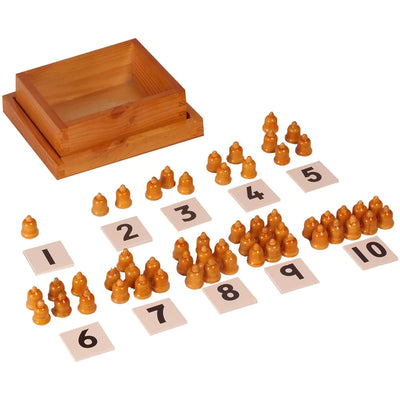
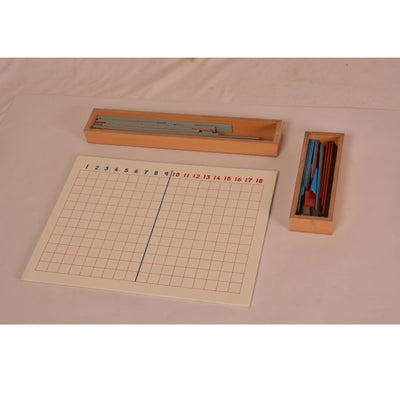
Montessori principles, such as providing a 'prepared environment' and respecting the child's self-directed activity, resonate deeply with this approach. Imagine a child engrossed in working with a simplified version of a 'pink tower' or 'sandpaper letters' – they are not just playing, they are building concentration, sensory discrimination, and early literacy skills. SkilloToys offers a wide range of Montessori-aligned materials that bring these powerful educational concepts right into your living room.
Embracing a Joyful Learning Future
The Maharashtra's First Play-Based Learning Roundtable signifies a promising step towards a more humane and effective educational system in India. It underscores that learning is not a chore, but a joyful journey of discovery. By embracing play-based learning, parents and educators can together cultivate curious, confident, and compassionate individuals ready to thrive in a rapidly changing world. SkilloToys remains committed to supporting this vision, providing the tools and resources for every child to experience the magic of learning through play.
What was the primary outcome of Maharashtra's First Play-Based Learning Roundtable?
The primary outcome was a strong consensus among educators and policymakers to formally integrate play-based learning methodologies into early childhood education across Maharashtra. It signified a clear policy direction towards more holistic and engaging learning experiences for young children in India.
How does the Ahilyanagar education roundtable impact Indian parents?
The Ahilyanagar education roundtable impacts Indian parents by signaling a shift in educational priorities, encouraging schools to adopt less academic-pressure-focused, more joyful learning environments. This initiative provides parents with a stronger voice to advocate for play-based approaches and access to better-equipped educational resources for their children.
What is the significance of the new play-based learning India policy discussions?
The significance lies in formalizing and standardizing play-based learning as a cornerstone of national educational frameworks, ensuring uniformity and quality across states like Maharashtra. These discussions are crucial for creating a supportive ecosystem where children can develop foundational skills naturally, preparing them better for primary schooling and beyond.
How can play-based learning benefit a child's development in an Indian joint family setting?
In an Indian joint family, play-based learning can flourish through multi-generational interaction, fostering social skills, language development, and cultural values. Grandparents often naturally engage children in storytelling and traditional games, which are excellent forms of unstructured, play-based learning that enrich a child's emotional and cognitive world.
Where can I find Montessori-aligned educational toys that support play-based learning in India?
You can find high-quality, Montessori-aligned educational toys that support play-based learning at SkilloToys.com, India's leading store based in Bengaluru. Our curated collection offers materials like activity kits and puzzles designed to foster independence, concentration, and practical life skills crucial for a child's holistic development.