Play-Based Activities for Empathy, Kindness & Creativity
In Indian households, where shared values and community bonds are deeply cherished, fostering empathy, kindness, and creativity in our children is paramount. Recent initiatives, like KidZania India's collaboration with the Magic Bus Foundation on greeting card-making activities, powerfully highlight how such efforts can bring crucial social-emotional skills to life. These play-based activities for empathy provide a natural, joyful path for children to understand emotions, connect with others, and express their unique selves, steering clear of academic pressure and nurturing truly well-rounded individuals.
Child development experts agree that learning through play is not merely fun; it's foundational. It allows children to explore the world on their own terms, make sense of complex social dynamics, and develop their inner creative spark. This approach aligns beautifully with the Montessori philosophy, which advocates for a prepared environment where children can learn, grow, and develop essential life skills naturally.
What is Play-Based Learning?
Play-based learning is an educational approach where children learn by engaging in self-directed, open-ended play activities. This matters immensely because it fosters intrinsic motivation, problem-solving abilities, and crucial social-emotional skills. Indian parents can implement this by providing enriching environments and encouraging exploration over rote memorization.
Cultivating Empathy Through Play-Based Activities
Research shows that children who engage in imaginative play develop higher levels of empathy and emotional intelligence. When children role-play, they step into different shoes – whether it's a doctor caring for a patient, a shopkeeper interacting with customers, or enacting family scenarios in a joint family setting. This helps them understand diverse perspectives and feelings.
Montessori education places a strong emphasis on practical life activities, which inherently build empathy. Simple tasks like pouring water, caring for plants, or helping a grandparent can teach children about responsibility and the impact of their actions on others. Engaging in such meaningful work, even through pretend play with `activityKits` that simulate real-world tasks, provides invaluable lessons in consideration and understanding.
Allowing children to freely interact with peers and siblings during play also presents natural opportunities for empathy. They learn to negotiate, comfort a friend who is sad, or share a toy with someone who wants a turn. These aren't just moments of play; they are profound lessons in social harmony.
Nurturing Kindness with Intentional Play
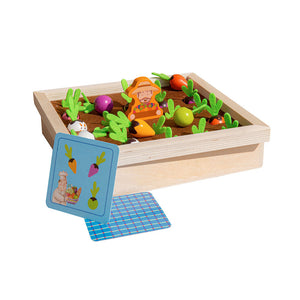
Kindness, a cornerstone of Indian culture, can be beautifully nurtured through intentional play experiences. Activities that encourage cooperation over competition are key. Building a magnificent fort together with blocks, or solving a `puzzles` collaboratively, teaches children the joy of shared success and the value of contributing to a common goal.
Stories, both read aloud and spontaneously created, are powerful kindness activities for children. When parents or grandparents share moral tales, often embedded in Indian folklore, children internalize lessons of compassion and generosity. Encouraging children to create their own stories where characters show kindness can reinforce these values.
Simple acts within play, such as tidying up toys after playtime or helping set the table, can be framed as acts of kindness. These responsibilities, often seen in Montessori classrooms, translate wonderfully to the home environment, teaching children to care for their surroundings and the people in them.
Igniting Creativity through Free Exploration
In a world often focused on grades and rigid academic structures, creative play for kids is a vital outlet for self-expression and innovation. When children are given open-ended materials – whether it's colours, clay, or a collection of natural items – and the freedom to explore without specific instructions, their creativity blossoms. This is the essence of true learning, far removed from the pressures of competitive exams.
Maria Montessori championed freedom within limits, allowing children to choose their activities and discover solutions independently. This approach fosters a natural curiosity and a willingness to experiment. Building towering structures from simple blocks, creating imaginary worlds with dolls, or composing unique songs with homemade instruments all contribute to a child's burgeoning creativity.
These experiences are crucial for developing problem-solving skills and resilience. When a child's block tower tumbles, they learn to adjust, redesign, and try again – an invaluable life lesson. This process encourages divergent thinking, a skill that is increasingly valued in all aspects of life.
Montessori's Role in Holistic Emotional Development
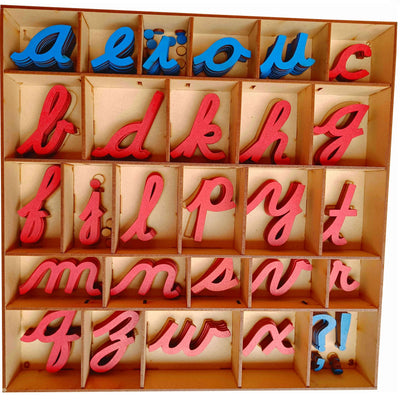
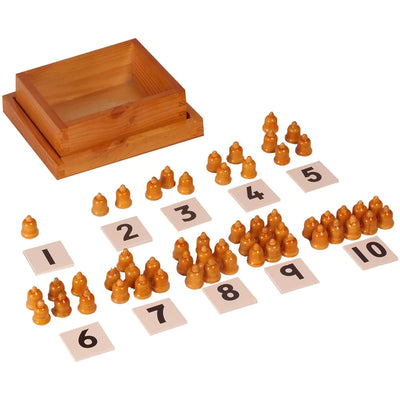
The Montessori method, championed by SkilloToys, inherently supports social emotional learning through play. It views the child as a capable individual, providing a 'prepared environment' rich with `montessori-method-learning-materials-toys` that invite exploration and discovery. This fosters independence, self-discipline, and a deep respect for oneself and others.
From the tender ages of 18-24 months, children in a Montessori setting are encouraged to engage in practical life exercises that build concentration, coordination, and a sense of responsibility. These foundational experiences naturally extend to emotional intelligence, as children learn to manage tasks, collaborate, and respect the work of others around them. For instance, collaborative activities in the 'Casa dei Bambini' or Children's House are designed to enhance sharing, communication, and mutual respect, which are all pillars of robust Montessori emotional development.
Studies indicate that children in Montessori environments often exhibit higher levels of social competence and adaptability. They learn to navigate social situations gracefully, showing compassion and understanding, which are essential traits for thriving in any community, especially in the close-knit family structures prevalent across India.
- Play-based learning is a definitive pathway to cultivating empathy, kindness, and creativity in children.
- Role-playing and pretend play are powerful tools for developing emotional intelligence and understanding diverse perspectives.
- Intentional play activities focused on cooperation enhance kindness and a sense of community.
- Unstructured, open-ended creative play is crucial for fostering innovative thinking and problem-solving skills.
- The Montessori method provides a structured yet free environment that intrinsically supports holistic social-emotional and creative development.
- Integrating traditional Indian values of compassion and community into play reinforces vital life lessons for children.
Embracing play-based learning is a powerful way to equip our children with the empathy, kindness, and creativity they need to navigate a complex world, thriving both individually and within their communities. It's about providing an environment where learning is joyful, natural, and deeply impactful, allowing them to grow into compassionate, innovative, and resilient individuals. Let's champion play, not just as leisure, but as the cornerstone of meaningful development.
What are the benefits of play-based learning for emotional development?
Play-based learning significantly enhances emotional development by providing a safe space for children to express feelings, understand social cues, and practice emotional regulation. It fosters empathy, builds resilience, and improves communication skills through interactive experiences.
How can parents encourage kindness through everyday play?
Parents can encourage kindness through everyday play by modeling empathetic behavior, facilitating cooperative games, and discussing feelings during pretend play scenarios. Activities like sharing toys, helping clean up, or making cards for loved ones naturally promote considerate actions.
Is creativity truly essential for a child's overall growth?
Yes, creativity is absolutely essential for a child's overall growth, extending far beyond artistic expression. It develops problem-solving skills, encourages innovative thinking, and builds confidence in approaching new challenges, preparing children for a dynamic world.
What role do Montessori materials play in fostering empathy and creativity?
Montessori materials are designed to foster empathy and creativity by promoting self-directed learning, independence, and respect for others and the environment. Practical life activities cultivate responsibility and care, while sensorial and art materials encourage imaginative exploration and expression.
How do I balance academic pressure with the need for play in India?
Balancing academic pressure with the need for play in India involves prioritizing free, unstructured play as foundational for holistic development, not just as a leisure activity. Integrate playful learning into daily routines, set clear boundaries for screen time, and communicate the importance of play to family members and schools.