AI-Powered Preschool India: Parents' Guide to New Learning
The recent announcement by ANI News about Raising Superstars launching 'Prodigy Pathway,' India's first AI-powered preschool India, marks a significant shift in early childhood education. This groundbreaking model promises a personalized, in-home learning experience for 3-5 year olds, sparking both excitement and questions among Indian parents preparing their little ones for school. This new approach brings cutting-edge technology directly into your living room, potentially transforming how children learn before formal schooling.
For parents navigating the bustling world of preschool admissions and managing energetic personalities, understanding new educational models is crucial. While technology offers innovative solutions, it's essential to consider how these integrate with established developmental approaches like Montessori, which champion hands-on learning and practical life skills. SkilloToys is here to help you make informed decisions for your child's foundational years.
What is an AI-Powered In-Home Preschool in India?
An AI-powered in-home preschool leverages artificial intelligence to deliver a customized curriculum directly to children aged 3-5 within their homes. This typically involves interactive digital platforms, engaging activities, and AI algorithms that adapt to a child's unique learning style and pace. This matters because it offers a highly personalized educational journey, potentially overcoming geographical barriers and offering flexibility.
Indian parents can view this as a convenient option to prepare their child for school from the comfort and familiarity of their home, especially valuable in joint family settings where multiple generations can oversee learning. This model aims to make quality early education accessible and tailored to individual needs.
The Future of Early Learning: Exploring Technology in Early Childhood Education
The integration of technology into early childhood education is rapidly evolving, driven by innovations like India's first in-home preschool India. Research shows that technology, when used judiciously, can enhance cognitive skills and provide engaging learning experiences for young children. However, child development experts emphasize that digital tools should complement, not replace, traditional hands-on learning.
UNICEF's focus on Early Childhood Education highlights the importance of stimulating environments for holistic development, suggesting a blend of digital and physical engagement. For many Indian families, the promise of a personalized curriculum delivered digitally can ease the pressure of finding the 'perfect' school, offering a flexible alternative that caters to individual learning curves. This approach aims to prepare children for a future where digital literacy is paramount.
Montessori vs. AI Preschool: Balancing Tradition with Innovation
The rise of AI-powered preschools naturally leads to comparisons with time-tested methodologies like Montessori. Maria Montessori's philosophy, practiced for over a century, champions self-directed activity, hands-on learning with specialized materials (like the pink tower or sandpaper letters), and collaborative play within a prepared environment. These elements are crucial for developing fine motor skills, concentration, and practical life skills in children aged 3-5 years.
An AI-powered preschool India offers personalization through algorithms, adapting content based on performance. In contrast, Montessori personalization comes from the child's freedom to choose activities and learn at their own pace, guided by a trained educator. Child development experts agree that direct sensory experience is vital for brain development in early years, fostering a deep understanding that screen-based learning may not fully replicate.
Benefits of Online Preschool and In-Home Learning
The concept of an online preschool benefits Indian families in several ways. Foremost is the unparalleled convenience it offers, especially for parents balancing work, household responsibilities, and the demands of a joint family. It eliminates commuting time and provides a structured learning environment within the comfort and safety of home, which can be particularly appealing in urban areas like Bengaluru.
Moreover, in-home learning can be highly personalized, allowing children to progress at their own speed without the pressure of keeping up with a large group. This flexibility is invaluable for nurturing individual talents and addressing specific learning needs. It also allows grandparents to be more involved in the child's educational journey, creating stronger intergenerational bonds around learning.
Integrating AI with Hands-On Montessori for Holistic Development
While AI offers exciting possibilities for personalized learning, ensuring holistic development for 3-5 year olds requires a balanced approach. Child psychologists and educators emphasize the importance of sensory exploration, gross motor skill development, and social-emotional learning, which are traditionally fostered through hands-on activities and direct human interaction.
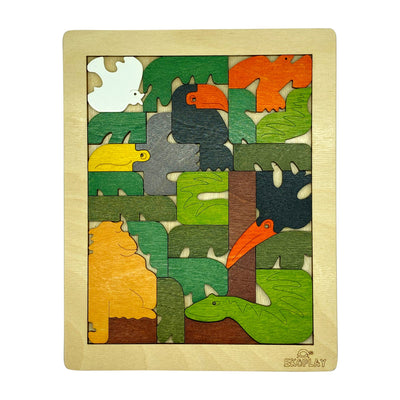
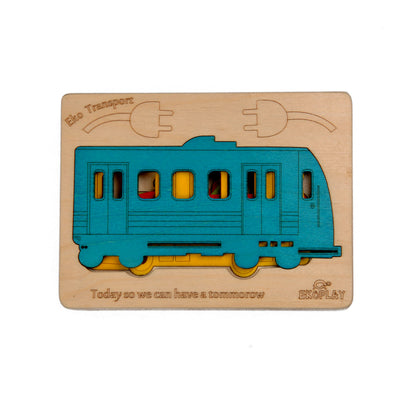
Parents can combine the benefits of an AI-powered curriculum with classic Montessori principles by incorporating rich, tangible learning experiences at home. For example, after an AI lesson on shapes, a child can physically manipulate wooden puzzles or construct with blocks, reinforcing concepts through touch and spatial reasoning. Similarly, an AI-guided language lesson can be followed by practicing with Montessori activity kits, such as sandpaper letters, to engage multiple senses.
Studies indicate that children learn best when multiple senses are engaged. This means supplementing screen time with plenty of opportunities for creative play, outdoor adventures, and practical life activities like helping with chores. SkilloToys offers a wide range of Montessori method learning materials and toys designed to build foundational skills through active exploration and discovery, complementing any digital curriculum effectively.
Making Informed Choices for Your Child's Early Education
The emergence of India's first AI-powered preschool India presents a new dimension for early childhood education. For parents of 3-5 year olds, the key lies in understanding how these innovative models align with their child's developmental needs and family values. It's about striking a balance between leveraging technology for personalized learning and ensuring robust physical, social, and emotional development through real-world interactions.
As you prepare your child for school, consider how an AI-powered system might fit into your broader educational strategy. Remember to prioritize quality screen time, ensure breaks for active play, and continue to provide opportunities for hands-on exploration that build critical thinking and problem-solving skills. The goal is to nurture a well-rounded individual, ready to thrive in an ever-changing world.
- India's first AI-powered in-home preschool, 'Prodigy Pathway,' offers personalized learning for 3-5 year olds.
- AI-powered preschools provide convenience and tailored curricula, especially beneficial for flexible learning at home.
- Child development experts recommend balancing AI-based learning with extensive hands-on, sensory experiences for holistic growth.
- Montessori education emphasizes self-directed, tactile learning crucial for fine motor and practical life skills, contrasting with purely digital approaches.
- Integrating traditional Montessori materials like puzzles and activity kits complements AI learning by engaging multiple senses.
- Excessive screen time for preschoolers remains a concern; parents must ensure ample opportunities for physical play and social interaction.
What is an AI-powered in-home preschool?
An AI-powered in-home preschool leverages artificial intelligence to deliver personalized educational content and activities directly to a child's home. It often involves digital platforms, interactive lessons, and AI algorithms that adapt to a child's learning pace and preferences, providing a structured curriculum outside a traditional classroom.
How does an AI preschool compare to traditional or Montessori education?
An AI preschool typically offers highly personalized digital content, focusing on screen-based interaction, while traditional and Montessori methods prioritize hands-on, sensory-rich learning and social interaction in a prepared environment. Montessori specifically emphasizes self-directed activity and practical life skills, which are harder to replicate purely through AI.
What are the potential benefits of an in-home AI preschool for Indian children?
Benefits include personalized learning at a child's own pace, accessibility for families in remote areas, and flexibility for working parents or those in joint families. It can also introduce children to digital literacy early, potentially making school preparation more convenient and tailored.
Are there any concerns about too much screen time with AI-powered preschools?
Yes, excessive screen time is a significant concern for early childhood development experts, who recommend limited exposure for children under five. While AI preschools aim to be engaging, parents must balance digital learning with ample opportunities for physical play, social interaction, and hands-on exploration to ensure holistic development.
How can parents ensure holistic development alongside AI-powered learning?
Parents can ensure holistic development by integrating physical play, outdoor exploration, social interactions with peers and family, and hands-on learning with materials like puzzles and activity kits. It's crucial to balance screen time with real-world experiences that foster sensory, motor, and emotional skills, reinforcing learning through diverse activities.