Benefits of Regional Language Learning for Preschoolers
Embracing regional languages during the preschool years offers profound advantages. The significant benefits of regional language learning for preschoolers (ages 3-5) include enhanced cognitive development, a deeper connection to cultural heritage, and improved social-emotional skills. Studies indicate that early exposure to multiple languages shapes a child's brain for greater flexibility and critical thinking, setting them up for success in their school-prep journey and beyond.
Regional language learning for preschoolers involves immersing young children in a local language through daily interactions, stories, songs, and playful activities. This matters because it leverages their natural language acquisition window, fostering holistic development that aligns with global early childhood education goals, as highlighted by initiatives like those from UNICEF. Indian parents can proactively create a rich linguistic environment at home, celebrating the diversity unique to our nation.
Enhanced Cognitive Development and Brain Power
Learning a regional language significantly boosts a preschooler's cognitive functions. Research consistently shows that bilingual children often outperform monolingual peers in tasks requiring problem-solving, attention, and multitasking. This mental agility is a direct result of the brain constantly switching between language systems, strengthening neural pathways and improving executive functions.
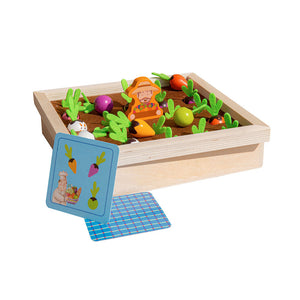
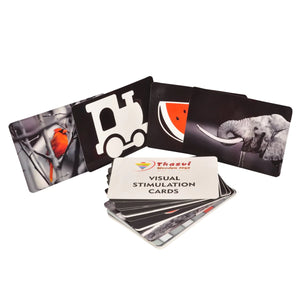
Maria Montessori's philosophy supports this, emphasizing that children absorb their environment, including languages, with remarkable ease during their formative years. Engaging with new linguistic structures, such as learning puzzles with regional words or matching picture cards, naturally enhances memory and analytical skills. This cognitive leap prepares them not just for school but for lifelong learning.
Fostering Strong Cultural Identity and Heritage
In the vibrant tapestry of India, knowing a regional language is key to understanding and preserving our rich cultural heritage. For 3-5 year olds, learning the language of their grandparents or their ancestral home fosters a deep sense of belonging and cultural identity. It allows them to connect with traditional stories, participate meaningfully in family festivals, and appreciate local customs firsthand.
Experts in child development highlight that this cultural rootedness provides a strong emotional foundation. It helps preschoolers manage their big personalities by giving them a sense of place and tradition within their joint families and communities. Learning phrases in Malayalam or singing folk songs in Hindi weaves them directly into the fabric of their Indian identity.
Boosting Social Skills and Communication Confidence
Introducing a regional language to preschoolers naturally enhances their social skills and communication confidence. Being able to converse with a wider range of family members, especially grandparents, or communicate with local shopkeepers, builds self-esteem and expands their social circle. This ability fosters empathy as children learn to navigate different communication styles.
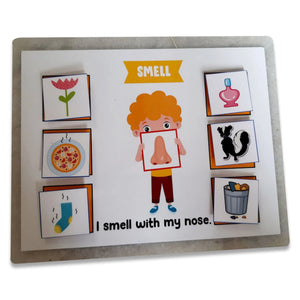
Reports suggest that children exposed to multilingual environments often develop a heightened awareness of non-verbal cues and better listening skills. This translates into improved interactions with peers, making them more adaptable and confident in diverse social settings, a crucial skill for school readiness and beyond. Montessori activity kits designed for language can facilitate interactive learning, further boosting their confidence.
Easing School Readiness and Academic Success
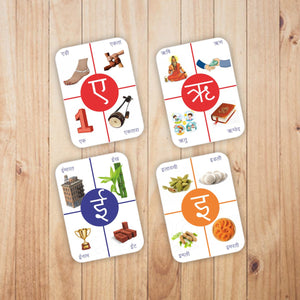
For Indian preschoolers, early regional language exposure is a significant advantage for school readiness. Many schools across India incorporate regional languages into their curriculum, whether it's learning Hindi alphabets or practicing Malayalam alphabets and Malayalam spelling. Children who have a head start often transition more smoothly into formal learning environments, reducing potential academic pressure.
This foundational knowledge provides a strong base for literacy in multiple languages. Studies indicate that the skills developed through multilingualism in early childhood India, such as phonological awareness and vocabulary expansion, are transferable, aiding overall academic success. UNICEF's focus on Early Childhood Education underscores the importance of holistic development, which language learning profoundly supports.
Practical Ways to Introduce Regional Languages at Home
Incorporating regional languages into a preschooler's daily life can be fun and natural. Start by regularly conversing in the target language at home, even for short periods. Reading children's books, singing traditional rhymes, and watching age-appropriate regional language cartoons are effective methods. Engage grandparents or other family members who speak the language to share stories and songs, making it a natural part of family life.
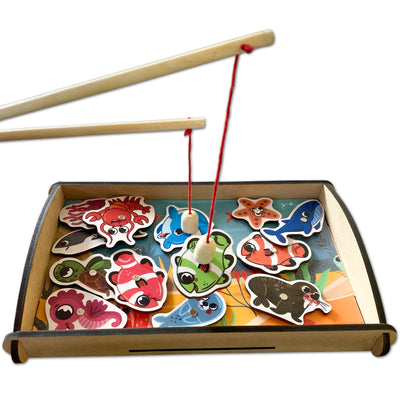
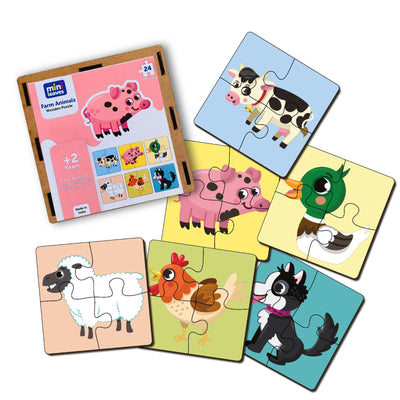
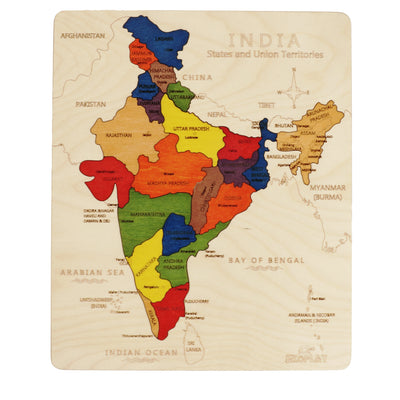
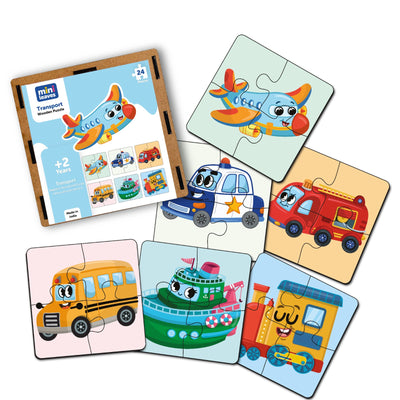
Utilize educational tools like flashcards for Hindi alphabets or picture puzzles that depict scenes from regional cultures. SkilloToys offers a variety of activity kits that can be adapted for language learning, promoting fine motor skills alongside linguistic development. The key is consistent, playful exposure without pressure, allowing children to absorb at their own pace.
- Learning regional languages significantly boosts preschoolers' cognitive flexibility and problem-solving skills.
- Early exposure strengthens a child's cultural identity and connection to Indian heritage.
- Multilingual preschoolers often exhibit enhanced social skills and communication confidence.
- Regional language proficiency eases school readiness and supports broader academic success.
- The optimal age for natural language acquisition is the preschool period (3-5 years).
- Consistent, playful immersion at home is more effective than forced learning for young children.
What are the primary benefits of regional language learning for preschoolers?
The primary benefits include enhanced cognitive development, stronger cultural identity, improved social skills, and better preparation for school. Learning regional languages significantly boosts a child's overall intellectual and emotional growth.
Does learning multiple languages confuse a young child?
Research consistently shows that learning multiple languages does not confuse young children; instead, it strengthens their cognitive abilities. Preschoolers naturally adapt to different linguistic environments, developing better problem-solving skills and mental flexibility.
At what age is it best to introduce a regional language to a child?
Child development experts agree that the preschool years (3-5 years) are an optimal period for language acquisition due to the brain's plasticity. Introducing regional languages during this time allows for more natural and intuitive learning, much like their native tongue.
How can parents introduce regional languages without formal classes?
Parents can introduce regional languages through daily conversations, storytelling, singing traditional songs, watching regional cartoons, and using age-appropriate educational materials. Engaging grandparents is also an excellent way to immerse children in the language organically.
Are there specific Montessori materials that support early language development?
Yes, Montessori materials like sandpaper letters, movable alphabets, and classified picture cards are excellent for developing phonetic awareness and vocabulary in any language. SkilloToys offers a range of activity kits and puzzles that aid in pre-reading and language skills.