Best Preschools India: Choosing Excellence for 3-5 Year Olds
Choosing among the best preschools India has to offer for your 3-5 year old can feel like navigating a complex maze, especially with new rankings like "India's Best 50 Preschools 2026" emerging. The right preschool, however, isn't just about a prestigious name or a shiny campus; it's about finding a nurturing environment that truly understands and supports your child's unique developmental journey, laying a robust foundation for their future. This guide equips you with the insights to look beyond the surface and identify a preschool that perfectly aligns with your child's growth needs.
A quality early childhood education in India is a holistic program designed for children aged 3-5 years, focusing on social, emotional, cognitive, and physical development through play and guided exploration. This matters immensely because these early years are critical for brain development, shaping personality and foundational learning habits. Indian parents can empower themselves by actively assessing preschools for genuine developmental fit, ensuring their child thrives.
Choosing a Preschool India: Beyond Rankings
The recent "India's Best 50 Preschools 2026" guide from Education Today is a valuable starting point, but it's essential to remember that rankings are broad. The "best" preschool for Aarya, a vibrant 3-year-old growing up in a joint family in Bengaluru, might not be the same for Rohan, a shy 4-year-old from a nuclear family in Delhi. Research shows that a child's individual temperament and learning style are paramount when selecting an educational environment.
Indian parenting often emphasizes early academic achievement, but child development experts agree that the focus for 3-5 year olds should be on holistic growth. This means fostering curiosity, independence, and social skills before formal academics. Grandparents, too, play a significant role in early learning at home, often imparting cultural values and stories, which a good preschool should complement, not contradict.
Assessing Quality Early Childhood Education India
When you begin your visits, consider these crucial factors for truly discerning a high-quality environment:
Teacher-Child Ratio and Educator Quality
A low teacher-child ratio ensures your child receives adequate individual attention and support. Studies consistently show that a ratio of around 1:8 to 1:10 for 3-5 year olds allows teachers to observe, guide, and interact meaningfully with each child. Observe how teachers engage with children—are they warm, encouraging, and responsive? Qualified educators with specific training in early childhood development understand age-appropriate learning and behavioral strategies.
Curriculum and Pedagogy: The Power of Play
A strong preschool curriculum for 3-5 year olds should be predominantly play-based, allowing children to learn through hands-on activities rather than rote memorization. This approach is rooted in the understanding that children learn best by doing. Look for a balance of free play, structured activities, and outdoor exploration. NCERT's 2019 National Curriculum Framework for Foundational Stage emphasizes a pedagogical approach that is "play-based, activity-based, and inquiry-based."
Environment: Safe, Stimulating, and Child-Centric
The physical environment plays a critical role in a child's learning. Ensure the preschool offers a safe, hygienic, and brightly lit space with age-appropriate furniture and materials. Classrooms should be organized to invite exploration and provide diverse learning zones. A clean and stimulating environment prevents illness and encourages engagement, which is particularly vital in urban Indian settings where outdoor play space might be limited.
Parent Communication and Involvement
Effective communication between parents and the preschool is a hallmark of quality. Does the preschool offer regular updates on your child's progress, openly discuss concerns, and invite parent participation? A good school acts as a partner in your child's development, understanding the Indian family structure where parent-teacher collaboration is highly valued.
Montessori Preschool India: A Developmental Advantage
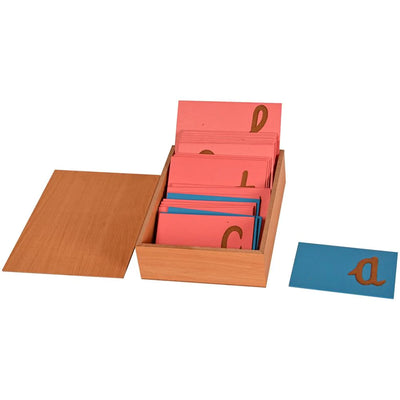
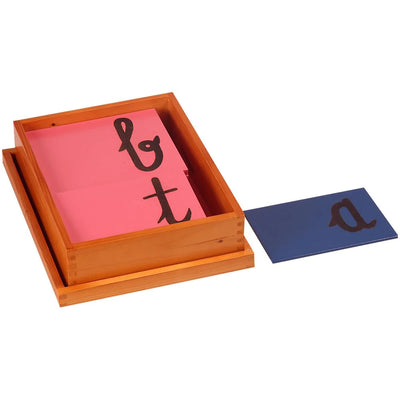
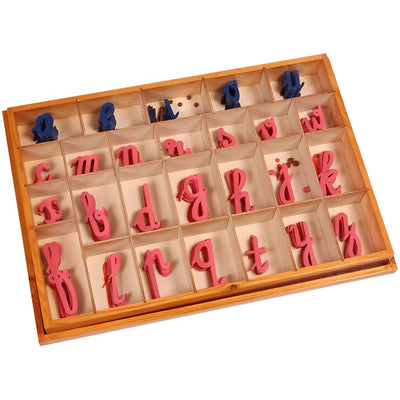
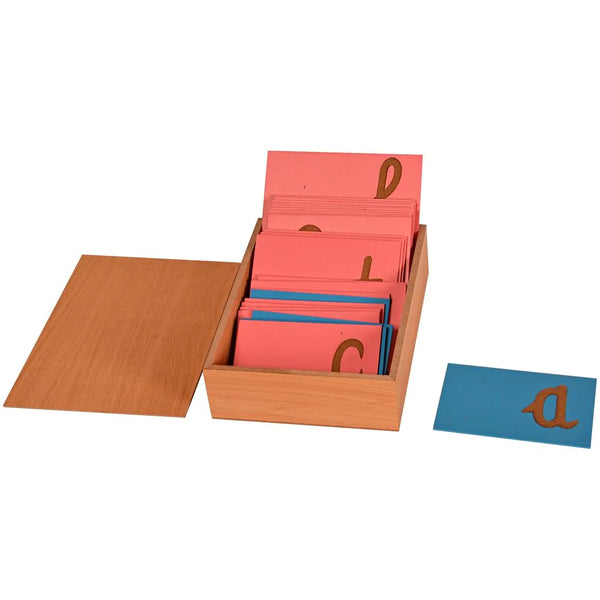
Many parents exploring options for a Montessori preschool India recognizes the unique benefits of this approach. Maria Montessori's philosophy centers on fostering independence, concentration, and a lifelong love for learning through self-directed activity in a prepared environment. Children freely choose engaging didactic materials like the Pink Tower or Sandpaper Letters, which are designed to teach specific concepts incrementally.
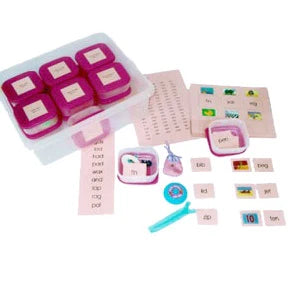
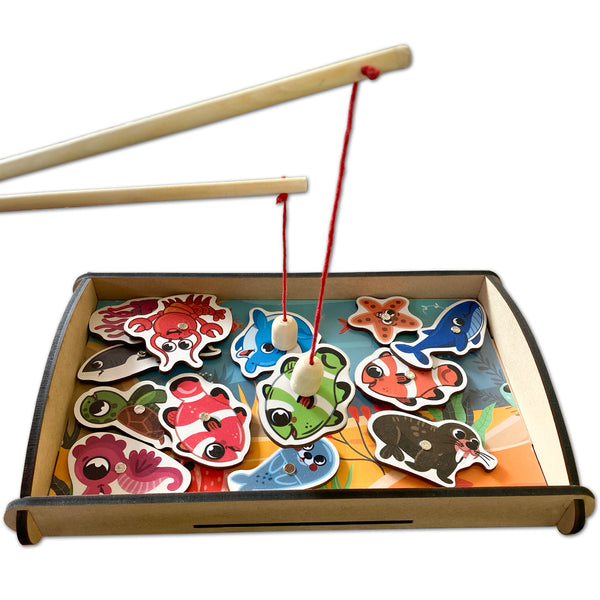
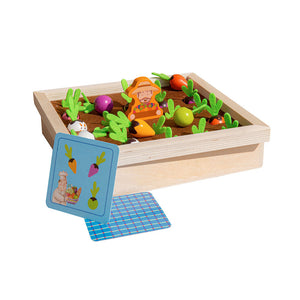
In a Montessori setting, a 3-year-old might be mastering practical life skills like pouring water or buttoning clothes, while a 4-year-old delves into sensorial exploration or early math concepts. This approach naturally cultivates problem-solving and self-correction, invaluable traits for future schooling and life. At home, you can mirror this by offering children purposeful puzzles and simple activity kits that encourage focused, independent work.
School Readiness Programs for 3-5 Year Olds
When assessing programs for your 3-5 year olds, focus on what "school readiness" truly entails. It's not about pre-reading or pre-writing at 3, but about developing foundational skills:
- Socio-Emotional Readiness: Ability to separate from parents, follow instructions, share, cooperate, and express emotions appropriately.
- Cognitive Readiness: Curiosity, problem-solving skills, attention span, and basic understanding of concepts like colors, shapes, and numbers.
- Language Readiness: Ability to communicate needs, listen, and understand simple stories.
- Physical Readiness: Fine motor skills (holding a crayon, cutting with scissors) and gross motor skills (running, jumping, balancing).
A robust program will integrate these elements through engaging activities, rather than pushing academic drills too early. For instance, playing with building blocks enhances fine motor skills and spatial reasoning, while group games teach turn-taking and cooperation.
Preschool Selection Guide: What to Observe & Ask
Making your final decision requires diligent observation and thoughtful questioning. Consider this practical guide during your visits:
- Observe the Children: Are they happy, engaged, and interacting positively? Do they seem comfortable approaching teachers? An ideal environment buzzes with focused activity, not chaos.
- Observe the Teachers: Are they actively involved, observing individual children, and guiding rather than dictating? Do they get down to the children's eye level?
- Ask About Discipline Philosophy: Understand how the school manages behavior. A positive discipline approach focuses on guidance, natural consequences, and teaching self-regulation, rather than punishment.
- Inquire About the Daily Schedule: Look for a balanced routine that includes free play, structured learning, story time, creative arts, and ample outdoor play. Many urban Indian parents appreciate outdoor time for their children, given limited home access.
- Discuss Health and Safety: Confirm procedures for emergencies, administering medication, sick child policies, and allergen management. In a bustling city like Mumbai, these protocols are non-negotiable.
- Consider Parental Involvement: Does the school welcome parent volunteers for events like Annual Day or festivals, reflecting the Indian cultural emphasis on community?
Choosing the best preschool for your child in India is a deeply personal decision, one that extends beyond any national ranking. It's about finding a place where your 3-5 year old feels safe, valued, and inspired to explore their world. By focusing on developmental fit, nurturing interactions, and a curriculum that truly respects childhood, you empower your child with the best possible start to their lifelong learning adventure.