Early Childhood Education for 3-5 Year Olds in India
Understanding the significance of early childhood education for 3-5 year olds in India is crucial for every parent. Child development experts agree that this period lays the fundamental groundwork for a child's future, impacting their academic success, emotional intelligence, and social skills. This guide will explore how a dedicated focus on Early Childhood Education (ECE) fosters holistic development and prepares your little one for the journey ahead, especially within the unique Indian family structure.
What is Early Childhood Education (ECE)?
Early Childhood Education (ECE) is a comprehensive approach to nurturing children from birth through age eight, focusing on their overall development. For 3-5 year olds, it involves structured and unstructured play, guided learning experiences, and social interactions. This matters because it builds foundational skills, not just rote memorization. Indian parents can actively engage by understanding these principles and creating a supportive learning environment at home.
The Crucial Role of ECE for Holistic Child Development in India
The journey from a curious toddler to a school-ready preschooler is a magical one, often filled with big personalities and endless questions. In India, with its diverse educational landscape and varying family structures, the importance of ECE cannot be overstated. Research consistently shows that quality early learning experiences significantly impact a child's cognitive abilities, social-emotional regulation, language acquisition, and physical development.
Consider 4-year-old Rohan from Bengaluru, who attends a play-based preschool. Through collaborative games, he's learning to share, negotiate, and understand different perspectives – skills that are invaluable in a joint family setting or a bustling classroom. This holistic approach, as advocated by national discussions around needing a separate Ministry for Early Childhood Education, ensures that children are not just learning facts but developing into well-rounded individuals ready to engage with the world.
Building School Readiness for Preschoolers Beyond Academics
In India, the phrase 'school readiness' often brings to mind a child who can recite the alphabet or count to 100. However, true school readiness for preschoolers encompasses far more than early academic drills. It involves a child's ability to listen, follow instructions, self-regulate emotions, persevere through challenges, and interact positively with peers and teachers. These are often called executive functions.
The National Council of Educational Research and Training (NCERT) frameworks highlight the importance of play-based learning in developing these vital non-cognitive skills. For instance, building a tower with blocks, then watching it tumble, teaches resilience and problem-solving. This kind of experiential learning, far from being 'just play', is foundational. It equips a child like Aarya, living in a Mumbai apartment, not only for academic challenges but also for the social dynamics of school life, helping her manage separation anxiety and cooperate with classmates.
Montessori Principles in ECE: Nurturing Independent Learners
The Montessori method, pioneered by Dr. Maria Montessori, offers a profound approach to early childhood education that deeply resonates with the goals of holistic development. At its core, it champions self-directed activity, hands-on learning, and a prepared environment where children can choose activities that match their developmental needs. This fosters independence, concentration, and an intrinsic love for learning.
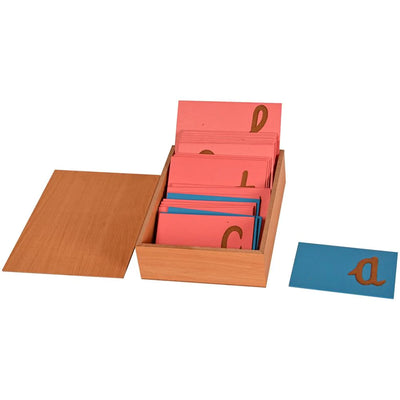
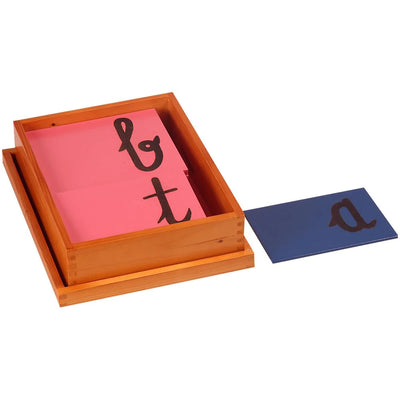
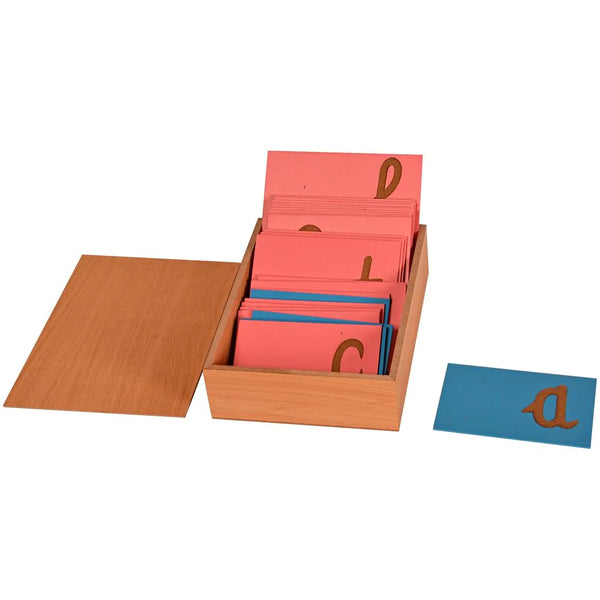
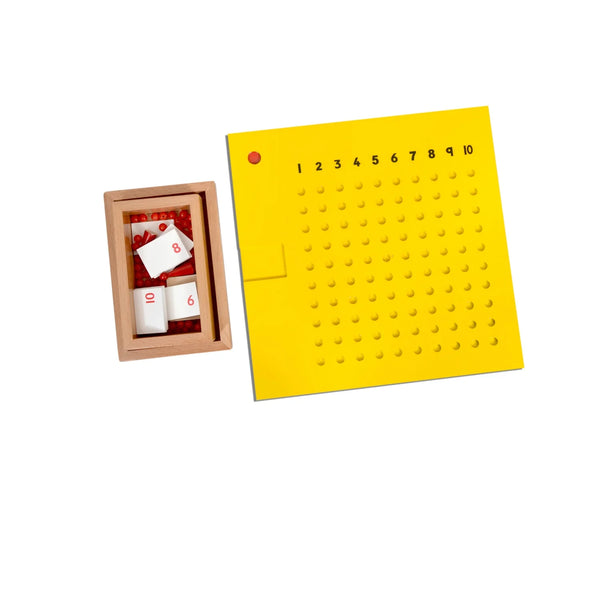
For Indian parents seeking quality ECE, understanding Montessori principles can guide their choices. In a Montessori setting, a child might spend time with practical life activities, learning to pour water or button a shirt, which refines fine motor skills and builds confidence. Using materials like the Pink Tower for understanding dimensions, or sandpaper letters for tactile literacy, allows children to learn at their own pace. SkilloToys embraces these principles, offering Montessori-inspired learning materials that encourage exploration and discovery.
Practical Ways Indian Parents Can Support Early Learning at Home
You don't need a formal classroom to provide excellent early childhood education. Your home, with its rich cultural tapestry, is a powerful learning environment. Child development experts stress that consistent, loving interaction is key. Here are some actionable ways:
- Embrace Play as Learning: Encourage open-ended play. The child who is absorbed in building a story with puzzles or creating imaginary worlds with their grandparents is developing critical thinking and creativity.
- Involve Them in Daily Life: Let your 3-5 year old help with simple household chores, like sorting clothes by colour or setting the table. These activities teach responsibility, fine motor skills, and logical sequencing.
- Storytelling and Language: Regular storytelling sessions, especially in regional languages, boost vocabulary, imagination, and cultural connection. Ask open-ended questions about the story to encourage critical thinking.
- Outdoor Exploration: Even in urban settings, make time for outdoor play. A simple visit to a local park allows for gross motor skill development, sensory exploration, and understanding natural phenomena.
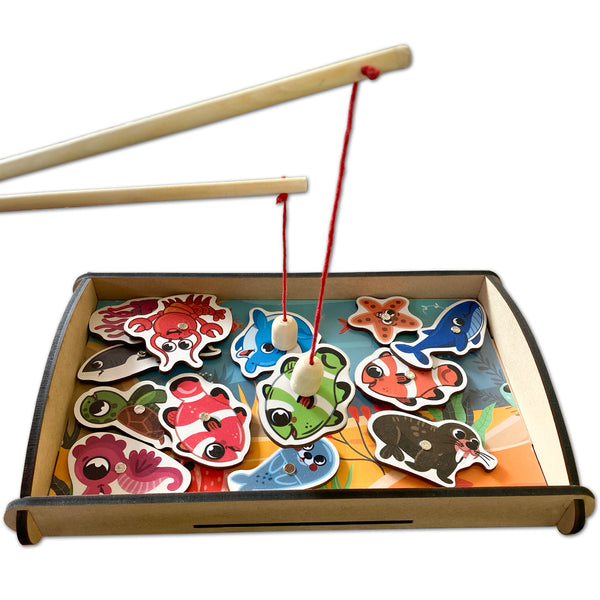
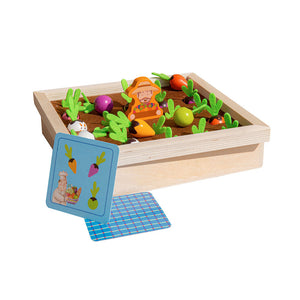
- Curated Educational Toys: Invest in age-appropriate activity kits and educational toys that encourage problem-solving, creativity, and skill development. The satisfying clunk of wooden blocks or the careful placement of puzzle pieces offers invaluable sensory and cognitive input.
By consciously integrating these practices, parents in India can significantly enhance their child's early learning journey, preparing them not just for school, but for a life of curious exploration and confident engagement. The foundation you help build today will shape their tomorrow.