Board Games for Kids: Boost Preschooler Development (3-5 Years)
Board games for kids significantly enhance preschooler development (3-5 years) by fostering critical cognitive, social, and emotional skills essential for school readiness. Child development experts agree that structured play, such as board games, provides a rich environment for children to learn turn-taking, problem-solving, and patience. This engaging activity not only prepares children for the classroom but also helps them manage their budding personalities effectively.
Educational board games for preschoolers are structured play activities designed to teach specific skills, rules, and social interactions within a defined framework. This matters because they provide a playful yet consistent environment for children to develop critical thinking, executive function, and social etiquette. Indian parents can integrate these games into daily routines to build a strong foundation for future academic and social success.
Why Educational Board Games are Essential for 3-5 Year Olds
In the bustling urban landscape of India, where early childhood development is increasingly prioritized, educational board games offer a vital tool for holistic growth. These games provide a screen-free alternative that stimulates interaction and deep learning, crucial for children aged 3-5 years. They bridge the gap between free play and formal schooling, ensuring children are well-equipped for academic demands.
Research shows that children who regularly engage in board games demonstrate stronger literacy and numeracy skills before starting school. Studies indicate that play-based learning, especially through structured games, significantly enhances a child's ability to follow multi-step instructions and develop a longer attention span. For Indian families navigating the pressures of school admissions, board games become an invaluable preparation tool.
How Board Games Foster Key Developmental Skills
Board games are dynamic learning platforms that target a spectrum of developmental milestones in young children. From the moment they unbox a new game to the final move, preschoolers are actively engaging their brains and bodies. This active participation strengthens neural connections and builds essential competencies.
Playing board games cultivates crucial social-emotional skills, such as sharing, cooperation, and empathy. When children play with siblings, parents, or grandparents, they learn the art of negotiation and gracious winning or losing, mirroring real-life social scenarios. Moreover, these games are exceptional for developing executive functions like planning, impulse control, and working memory, which are fundamental for academic success.
Cognitive Growth Through Play
Board games are powerhouses for cognitive development. They require children to recognize patterns, strategize simple moves, and remember rules, all while having fun. For instance, many games for 3 year olds focus on color matching or shape recognition, building foundational understanding that transfers to subjects like mathematics.
Engaging with board games also hones problem-solving abilities. Children learn to assess situations, anticipate outcomes, and adapt their strategies based on the game's progression. This iterative process of trial and error is a core principle in Montessori education, encouraging independent discovery and self-correction.
Social-Emotional Mastery for Big Personalities
Managing those spirited preschooler personalities becomes much easier with the help of board games. The structured environment of a game naturally teaches turn-taking, patience, and waiting for one's opportunity. These are vital skills for classroom settings and everyday interactions in a joint family.
Cooperative board games specifically encourage teamwork and shared goals, teaching children to work together towards a common victory. This fosters a sense of community and mutual respect, reducing conflicts and promoting positive social interactions among young children. It is a subtle yet powerful way to instill values of collaboration.
Choosing the Best Board Games for 3 Year Olds
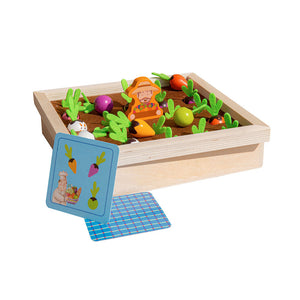
For children just starting their board game journey, simplicity is key. Look for board games for 3 year olds that have large, easy-to-handle pieces, vibrant colors, and straightforward rules. Games focusing on basic concepts like matching, sorting, and counting are ideal.
Excellent choices often include picture lotto games or simple path-based games where the goal is to reach an endpoint. These games introduce the concept of following a sequence and understanding cause-and-effect in a playful manner. Many Montessori-inspired puzzles also serve as a great precursor, building focus and fine motor skills.
Engaging Board Games for 4 Year Olds
As children turn four, their cognitive abilities and attention spans grow, allowing for slightly more complex board games for 4 year olds. Games that introduce simple strategy, memory recall, and basic counting are perfect for this age group. They can handle a few more rules and enjoy a longer play duration.
Look for games that involve simple dice rolls, movement across a board, or memory card matching. These activities continue to reinforce early math concepts and boost memory. SkilloToys offers a range of activityKits and Montessori method learning materials and toys that complement these games, further enhancing fine motor skills and critical thinking.
Advanced Board Games for 5 Year Olds: School Readiness
For children nearing school age, selecting board games for 5 year olds that challenge them slightly more is beneficial. These games should encourage basic literacy and numeracy, more complex problem-solving, and sustained strategic thinking. This prepares them directly for the academic rigors of primary school.
Games that involve simple addition, subtraction, or word recognition, as well as those with more intricate objectives, are excellent choices. They help children practice school-like skills in a fun, non-threatening environment. This active learning approach builds confidence and a positive attitude towards academics, essential for school readiness in India.
Integrating Montessori Principles with Board Game Play
Maria Montessori's philosophy emphasizes self-directed activity, hands-on learning, and collaborative play, all of which are perfectly aligned with board games. When choosing educational board games for preschoolers, seek out those that allow children to explore concepts independently and learn through discovery.
Encourage children to set up the game, understand the rules, and even lead aspects of the play. This fosters independence and self-reliance. While board games inherently have rules, a Montessori approach focuses on the child's engagement with the material and the learning process, rather than solely on winning or losing.
- Board games significantly boost cognitive, social, and emotional development in preschoolers (3-5 years).
- Regular engagement with board games enhances school readiness by teaching rule-following, turn-taking, and problem-solving.
- Child development experts confirm that structured play improves executive functions like planning and impulse control.
- Choosing age-appropriate board games, from simple matching for 3-year-olds to strategic games for 5-year-olds, is crucial for effective learning.
- Montessori principles, such as self-directed activity and hands-on learning, are naturally integrated into board game play.
- Board games provide a valuable screen-free alternative for developing essential life skills and managing spirited personalities in children.
What are the main benefits of board games for preschoolers?
Board games significantly enhance cognitive skills like memory and problem-solving, foster social-emotional growth through turn-taking and patience, and develop fine motor skills. They also build resilience and teach children how to handle wins and losses gracefully.
How do board games help with school readiness in India?
Board games prepare preschoolers for school by developing crucial skills such as following rules, understanding instructions, sustained attention, and interacting constructively with peers. These foundational abilities are essential for a smooth transition into the Indian classroom environment.
What age should a child start playing board games?
Children can typically begin playing simple board games for 3 year olds, often starting with picture matching or color identification games. Introducing games early helps build a love for structured play and sets the stage for more complex learning.
Are Montessori board games different from regular ones?
Montessori-inspired board games, much like other Montessori method learning materials and toys, focus on purposeful, hands-on learning that encourages independence, concentration, and self-correction. They often have clear objectives, simple rules, and tangible components that align with a child's natural developmental stages.
How can I choose the right educational board game for my child?
When selecting educational board games for preschoolers, consider your child's age, interests, and developmental stage. Look for games with clear rules, engaging themes, and a focus on skills you wish to develop, such as counting, color recognition, or cooperative play.