Doll House for Kids: Creative Play for 3-5 Year Olds
Creative play with a doll house for kids aged 3-5 years is a powerful tool for developing imagination, fostering empathy, and sharpening problem-solving skills, making it an essential activity for holistic preschool development in Indian homes. As parents in cities like Bengaluru navigate the complexities of urban childhood, ensuring access to enriching play environments becomes paramount, as highlighted by discussions around 'Urban Childhood Matters' from NDTV.
Creative dollhouse play involves children freely interacting with miniature worlds, characters, and scenarios, constructing narratives and exploring relationships. This matters because it provides a safe space for preschoolers to process emotions and develop social understanding. Indian parents can facilitate this by offering open-ended dollhouse environments and encouraging spontaneous storytelling.
Igniting Imagination and Storytelling in Preschoolers
Research shows that imaginative play for preschoolers significantly enhances cognitive flexibility and language development. When a child engages with a dollhouse, they become the director, scriptwriter, and voice actor of their own mini-world, creating elaborate stories that reflect their daily experiences, aspirations, and even anxieties.
From enacting a busy Diwali celebration with grandparents to preparing for a make-believe school interview, the dollhouse becomes a stage for endless scenarios. This creative play 3-5 years fosters abstract thinking and narrative skills crucial for academic readiness. It's more than just fun; it's a vital exercise for their burgeoning minds.
Nurturing Empathy and Social Skills Through Play
Empathy development 3-5 years is naturally cultivated through dollhouse play. Children assign roles to characters – a loving mother, a mischievous sibling, a busy father, or even a visiting aunt – and explore their interactions. They might role-play comforting a sad doll, sharing toys, or resolving conflicts between characters.
This active role-playing helps children understand different perspectives and emotions, preparing them for real-world social dynamics. Child development experts agree that such dramatic play builds a foundation for kindness and cooperation, essential skills for navigating friendships in preschool and beyond. Engaging with activityKits that complement dollhouse themes can further enhance these social learning opportunities.
Problem-Solving and Critical Thinking with Dollhouses
A dollhouse isn't just about make-believe; it's a dynamic environment for problem-solving toys for preschoolers. Children encounter various 'problems' within their play: Where should the furniture go? How will the doll family travel to the market? Who will cook dinner?
These seemingly simple decisions require critical thinking, spatial reasoning, and planning. Children learn to strategize, adapt their plans, and even negotiate if playing with siblings or friends. This hands-on problem-solving hones their executive functions, a core aspect of Montessori education that emphasizes practical life skills and independent thought.
Practical Tips for Maximizing Creative Dollhouse Play in Indian Homes
To truly unlock the potential of a doll house for kids, parents can adopt a few simple strategies:
- Provide Open-Ended Characters: Offer figurines representing diverse family structures, professions, and ages, reflecting India's rich cultural tapestry. This encourages broader narratives and inclusivity.
- Incorporate Everyday Indian Scenarios: Encourage your child to act out daily routines like making chai, celebrating a puja, or preparing for school. This grounds their play in their own cultural context.
- Minimise Interference: Allow children to lead their play without constant direction. Their imaginative play for preschoolers thrives when they feel in control of their own stories and outcomes.
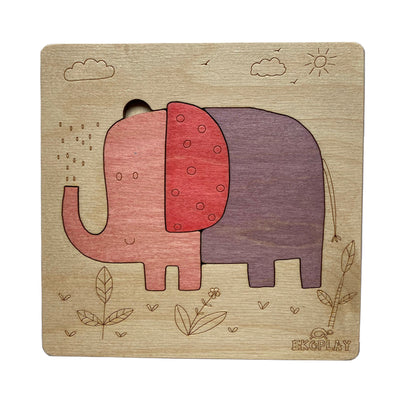
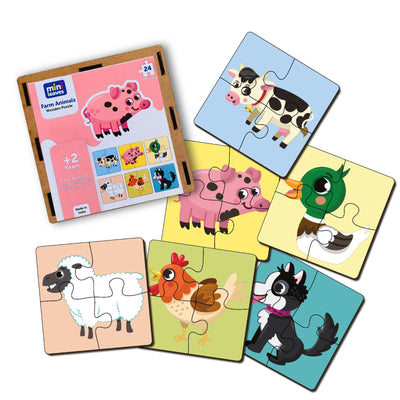
- Introduce Complementary Materials: Alongside the dollhouse, offer small blocks, fabric scraps, or even simple puzzles. These can become additional props, fostering even greater creativity and problem-solving skills. Explore our collection of puzzles for options that challenge and engage.
- Rotate Accessories: Periodically change out small furniture pieces or characters to spark new interests and stories, keeping the play fresh and engaging for creative play 3-5 years.
The call for technical support to Early Childhood Care and Education in India by fundsforngos.org and Dr. Swati Popat Vats's advocacy for a dedicated Ministry for Early Childhood Education underscore the critical importance of these foundational years. Creative dollhouse play directly supports these national goals by nurturing well-rounded, imaginative, and empathetic young citizens ready for future challenges.
Montessori Principles and the Dollhouse
While Dr. Maria Montessori did not design a specific dollhouse material, the core principles of her philosophy – fostering independence, hands-on learning, and a prepared environment – are perfectly applicable to creative dollhouse play. A dollhouse, especially one with realistic details, encourages practical life skills as children arrange furniture, care for their miniature inhabitants, and manage their tiny world. This type of self-directed play, much like working with Montessori learning materials, empowers children and builds confidence. You can explore a wide range of such foundational learning tools in our Montessori method learning materials collection.
- Creative dollhouse play for 3-5 year olds is proven to significantly enhance imagination and storytelling abilities.
- Studies indicate that engaging in dramatic play with a dollhouse fosters empathy development 3-5 years and improves social skills.
- A doll house for kids serves as an excellent platform for developing problem-solving and critical thinking skills through self-directed scenarios.
- Child development experts agree that open-ended dollhouse play is crucial for holistic preschool development and school readiness.
- Incorporating Indian cultural contexts into dollhouse play enriches a child's understanding of their own heritage and community.
- The freedom of creative dollhouse play aligns with Montessori principles by encouraging independence and practical life skill application.
What age is best for dollhouse play?
Dollhouse play is most beneficial for children aged 3 to 5 years, as this period marks significant development in imaginative capacity, social understanding, and fine motor skills. Younger children might enjoy simpler versions, while older children continue to benefit from complex narratives.
How does dollhouse play help with empathy?
Dollhouse play significantly aids empathy development 3-5 years by allowing children to step into different character roles and explore various emotional scenarios. They learn to understand perspectives beyond their own, practice caring for others, and navigate social interactions in a safe, controlled environment.
Are dollhouses considered Montessori toys?
While not a specific Montessori material like the Pink Tower, a well-chosen doll house for kids aligns with Montessori principles by offering open-ended play, promoting practical life skills, and fostering independence and imaginative exploration. The focus should be on realistic, child-led interaction.
What accessories are best for creative dollhouse play?
For truly imaginative play for preschoolers, focus on open-ended accessories like miniature furniture, diverse figurines representing different family roles or professions, and small everyday objects. Avoid overly specific or battery-operated items that limit a child's creativity and storytelling.
How can I encourage my child to play with their dollhouse creatively?
Encourage creative play 3-5 years by providing a comfortable play space and minimal intervention, allowing your child to lead the narrative. Occasionally, offer gentle prompts like, 'What's happening in the kitchen today?' or 'How does the baby feel?' to spark new ideas without dictating the play.