Early Childhood Development Pitfalls: Avoiding Learning Gaps
Understanding and proactively avoiding early childhood development pitfalls is paramount for Indian parents of 3-5 year olds, ensuring a robust foundation for their child's future. Research consistently shows that foundational learning gaps, as highlighted in reports like 'Failing at the Foundation,' often stem from overlooked mistakes in these crucial years. SkilloToys.com believes equipping parents with this knowledge is key to nurturing bright, well-adjusted learners.
Early childhood development pitfalls refer to common mistakes or overlooked areas in a child's growth between 3-5 years that can hinder their cognitive, social, emotional, and physical progress. These pitfalls matter immensely because they contribute significantly to learning gaps and affect school readiness. Indian parents can proactively address these by focusing on holistic development and informed parenting choices.
Over-Reliance on Rote Learning: A Foundational Learning Challenge in India
A significant pitfall for Indian parents is the pervasive emphasis on rote memorisation, often driven by intense academic pressure to excel in school entrance exams. While memorisation has its place, an over-reliance on it in the 3-5 age group can stifle true comprehension and critical thinking skills. Children may recite answers without understanding underlying concepts, leading to surface-level knowledge.
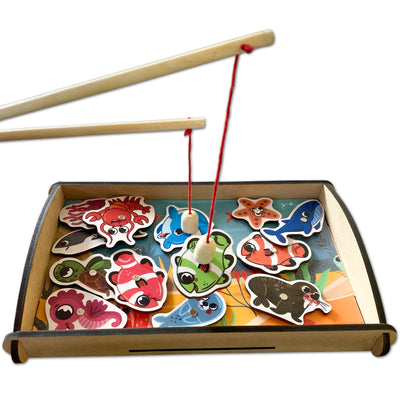
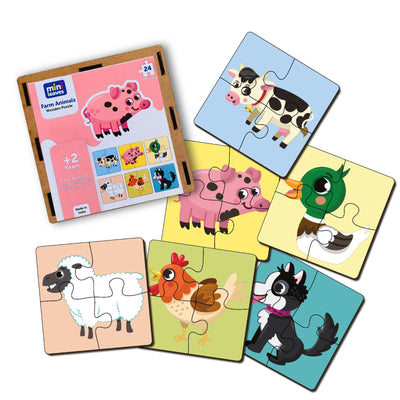
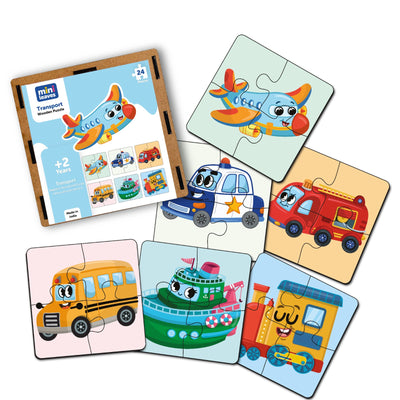
Child development experts agree that children learn best through experiential, hands-on activities that engage multiple senses. The National Education Policy (NEP) 2020 in India is actively promoting a shift towards activity-based and experiential learning, recognising the shortcomings of rote methods. Encourage your child to explore – our puzzles, for instance, naturally foster problem-solving and logical thinking without the pressure of memorisation.
Neglecting Free Play and Unstructured Exploration: How to Avoid Learning Gaps Early Childhood
In many Indian households, particularly in urban settings, children's schedules are often packed with structured classes – from phonics to dance – leaving little room for unstructured free play. While structured activities offer benefits, the absence of free play is a common mistake that hinders creativity, independent problem-solving, and imagination. Children need time to explore their world on their own terms, to build, pretend, and invent.
Studies indicate that children engaged in regular free play develop stronger social skills, emotional regulation, and resilience. This is particularly relevant when considering what children in rural India do in their early years, often benefiting from more natural, unstructured play, even if formal learning opportunities are fewer. Balancing guided learning with ample opportunities for spontaneous play is crucial for holistic development.
Underestimating Social-Emotional Development: Common Mistakes Parents of 3-5 Years in India Make
Often, the focus for 3-5 year olds leans heavily towards academic readiness – ABCs and 123s – at the expense of social-emotional skills. Parents might overlook the importance of teaching empathy, sharing, conflict resolution, and emotional regulation. In joint family setups, while children benefit from diverse interactions, explicit guidance on managing big emotions and respecting personal space is still vital.
Maria Montessori's philosophy strongly advocates for developing these 'life skills' from an early age, understanding that a child's emotional well-being and social competence are foundational for academic success. Encourage role-playing, discussing feelings, and opportunities for collaborative play with cousins or friends. These interactions build a strong character, essential for navigating school life in Bengaluru and beyond.
Lack of Exposure to Diverse Experiences and Critical Thinking
Another pitfall is limiting a child's world to routine and familiar environments, thereby missing opportunities for critical thinking and exploration. While comfort is good, exposing 3-5 year olds to new textures, sounds, sights, and problems helps expand their cognitive horizons. The emerging interest in science during early childhood period highlights the importance of fostering natural curiosity through simple experiments and observations.
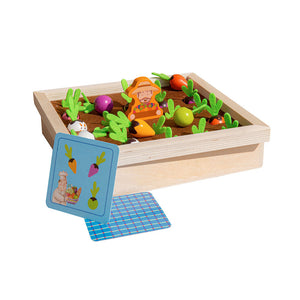
Encourage 'why' questions and hands-on investigation rather than providing immediate answers. Our curated activity kits are designed to introduce diverse concepts – from basic science to cultural themes – in an engaging, age-appropriate manner. These kits stimulate critical thinking and provide varied learning experiences, preparing children for a rapidly evolving world.
Ignoring the Prepared Environment: Preventing Early Learning Gaps in Preschoolers
The concept of a 'prepared environment,' central to Montessori education, suggests that a child's surroundings profoundly influence their learning and independence. A common pitfall in Indian homes can be an environment that is either overstimulating or lacks accessible, age-appropriate learning materials. Clutter or materials stored out of reach can unintentionally hinder a child's drive for independent activity.
Creating a prepared environment means offering materials – like the Pink Tower or Sandpaper Letters – that are organised, accessible, and invite exploration. This fosters independence and self-directed learning. For Indian parents, this could mean designating a 'learning corner' with accessible shelves for books and Montessori-inspired toys from our main collection, promoting self-help skills from 18-24 months and beyond.
Overlooking Parental Involvement and Communication
In the rush of daily life, particularly with dual-income households and the demands of modern Indian society, parents might inadvertently reduce their active involvement in their child's direct learning beyond supervising homework. While grandparents often provide invaluable support, consistent parental engagement and open communication are crucial. This isn't just about academic oversight; it's about sharing experiences, reading together, and engaging in meaningful conversations.
Children whose parents are actively involved in their early learning journey, whether by reading stories, visiting local Bengaluru parks, or discussing their day, show greater confidence and academic success. This consistent engagement creates a strong bond and models a love for learning, serving as the best prevention against many early learning gaps.
- Over-reliance on rote memorisation stifles critical thinking in 3-5 year olds.
- Unstructured free play is essential for developing creativity, problem-solving, and social skills.
- Neglecting social-emotional development can hinder a child's overall well-being and school readiness.
- Providing diverse experiences and encouraging 'why' questions fosters critical thinking.
- A 'prepared environment' at home, with accessible learning materials, promotes independence.
- Active parental involvement and communication are crucial for a child's holistic early development.
What is the biggest early childhood development pitfall for Indian parents?
The biggest pitfall for Indian parents is often an over-reliance on rote learning and academic pressure, neglecting holistic development. This approach can hinder critical thinking, creativity, and socio-emotional growth in 3-5 year olds.
How can I prevent early learning gaps in my preschooler?
Preventing early learning gaps involves fostering a balanced approach that combines structured, hands-on learning with ample free play. Prioritise social-emotional development, provide a prepared environment, and engage actively in your child's learning journey.
Why is free play crucial for 3-5 year olds?
Free play is crucial because it allows children to develop problem-solving skills, creativity, imagination, and social competence independently. It provides a natural avenue for self-expression and emotional regulation, which are vital for holistic growth.
What role do grandparents play in avoiding early childhood pitfalls?
Grandparents can play a significant role by sharing traditional stories, fostering cultural values, and providing nurturing support. Their wisdom can enrich a child's social-emotional landscape, but it's important to align on modern developmental approaches for consistency.
How does SkilloToys.com support preventing developmental pitfalls?
SkilloToys.com offers Montessori educational toys and activity kits designed to address developmental pitfalls by promoting hands-on learning, critical thinking, and independent exploration. Our materials help build strong foundational skills, preparing children for school and life.