Early Childhood Education UNICEF: A Parent's Guide (3-5)
UNICEF's holistic approach to early childhood education is a comprehensive framework that recognizes the interconnectedness of a child's development, ensuring well-rounded growth from 3-5 years. This framework, widely supported by global research, emphasizes nurturing all aspects of a child's being – physical, cognitive, socio-emotional, and linguistic – providing a robust foundation for their future in an Indian context.
Early Childhood Education (ECE) is the foundational stage of learning that promotes holistic development in young children before they enter primary school. This matters immensely because these early years shape a child's brain architecture, social skills, and learning attitudes for life. Indian parents can actively participate by creating stimulating home environments and choosing appropriate educational experiences.
In homes across Bengaluru and beyond, parents of 3-5 year olds are navigating a vibrant phase, marked by blossoming personalities and insatiable curiosity. As you prepare your little ones for school and the world, understanding UNICEF’s holistic perspective on early childhood education offers a guiding light. It moves beyond rote learning, advocating for environments where children thrive naturally.
UNICEF's Holistic Child Development Pillars for 3-5 Year Olds
Child development experts agree that a holistic approach is paramount for preschool children, focusing on multiple, interdependent domains. Research shows that children who receive integrated support in these areas demonstrate significantly better long-term outcomes, both academically and socially. This approach ensures no aspect of development is overlooked.
Nurturing Physical Development through Play
Physical development in 3-5 year olds involves both gross motor skills (running, jumping, balancing) and fine motor skills (grasping, drawing, cutting). UNICEF emphasizes ample opportunities for active, unstructured play. Encourage traditional Indian games like kho-kho or gilli-danda, and simple household chores like sweeping or helping in the garden.
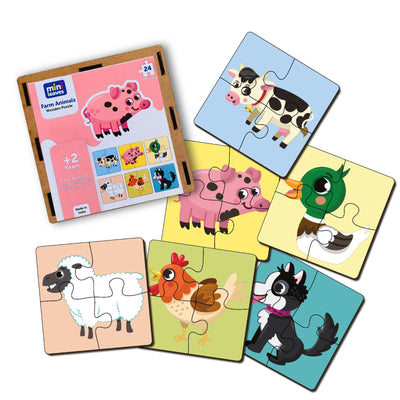
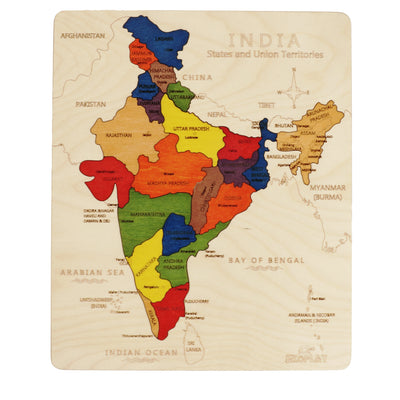
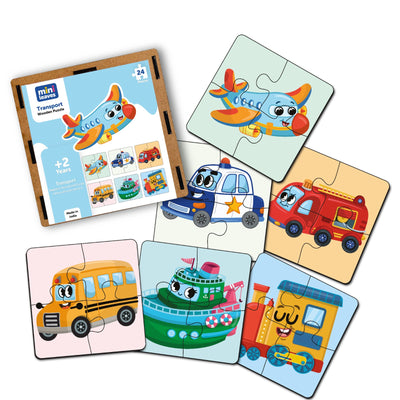
Montessori materials, such as our puzzles, are excellent for refining fine motor skills, hand-eye coordination, and spatial reasoning. Studies indicate that regular engagement with such activities strengthens muscles, improves dexterity, and prepares hands for writing. Remember, a strong body supports a strong mind.
Fostering Cognitive Growth & Curiosity
Cognitive development at this age is characterized by rapid brain growth, enhanced problem-solving abilities, and a burgeoning understanding of the world. UNICEF champions environments that spark curiosity and encourage exploration. Engage your child in open-ended questions during daily activities, whether counting lentils with Dadi or discussing shapes of rangoli patterns during festivals.
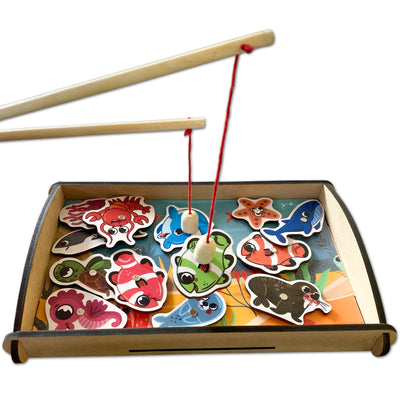
Providing age-appropriate activity kits helps children learn through discovery, mirroring Maria Montessori’s philosophy. These kits promote logical thinking, early numeracy, and scientific inquiry in a fun, accessible way. This kind of active engagement is far more impactful than passive instruction.
Cultivating Socio-Emotional Skills & Resilience
Developing socio-emotional skills means learning to understand and manage emotions, build relationships, and develop empathy. This is critical for navigating social settings like preschool. UNICEF highlights the importance of warm, responsive caregiving and opportunities for interaction with peers and family members, including grandparents who often impart invaluable life lessons.
Encourage sharing toys, taking turns during games, and expressing feelings respectfully. Storytelling, a cherished Indian tradition, can be a powerful tool to discuss emotions and moral values. These interactions build resilience, confidence, and the ability to adapt to new situations.
Promoting Language & Communication Rich Environments
Language development between 3-5 years sees children expanding their vocabulary, forming complex sentences, and understanding narratives. UNICEF advocates for rich language environments where children are constantly exposed to conversation, songs, and stories. Read aloud daily in your native language or English, discuss story plots, and encourage your child to retell tales.
In multilingual Indian households, celebrate the diversity of languages. Children exposed to multiple languages from an early age often show enhanced cognitive flexibility. Simply talking about daily events, like a visit to the local market or helping prepare for Diwali, builds vital communication skills.
UNICEF Early Learning Principles in Indian Homes
Applying UNICEF’s early learning principles at home doesn't require elaborate setups; it's about intentional interactions. These principles emphasize a child-centered approach, ensuring learning is active, joyful, and relevant to their lives. Every Indian home, whether joint or nuclear, offers countless opportunities for rich learning experiences.
Studies consistently show that parental involvement is a key predictor of a child's success in school. This means being present, responsive, and providing a variety of stimulating experiences. From cooking together to tending a small home garden, these everyday moments are ripe with learning potential.
The Power of Play: A UNICEF-Endorsed Approach
Play is not just recreation; it is how young children learn, understand their world, and develop essential skills. UNICEF firmly endorses play-based learning as the most effective pedagogical approach for early childhood education. This philosophy aligns perfectly with Montessori principles, where children learn through purposeful activities rather than direct instruction.
Whether it’s free play with blocks, imaginative role-playing games, or structured activities that encourage problem-solving, play builds cognitive, social, and emotional intelligence. For instance, playing with stacking blocks teaches concepts of size and order, while pretending to be a doctor fosters empathy and communication. Provide open-ended materials that invite creativity and exploration.
Preparing for Preschool: A Preschool Development Guide for Indian Parents
As the time for LKG or nursery school approaches, many Indian parents feel the pressure to ensure their child is 'school-ready'. UNICEF's holistic framework reminds us that readiness isn't just about academic skills, but also about independence, social competence, and emotional regulation. Focus on building these life skills.
Encourage self-help skills like dressing themselves, packing their bag for a short outing, and communicating their needs. Foster a love for learning by providing engaging educational toys and materials that align with developmental stages. Explore SkilloToys' comprehensive Montessori collection designed to prepare children for school success through hands-on learning.
Building a routine, managing transitions, and teaching basic hygiene are also vital. Discuss what school will be like in an encouraging manner, helping them feel excited rather than anxious. Remember, your child's emotional well-being and confidence are their greatest assets as they embark on their schooling journey.
Key Takeaways
- UNICEF's early childhood education emphasizes a holistic approach covering physical, cognitive, socio-emotional, and language development for children aged 3-5.
- Active parental involvement, including creating stimulating home environments, is crucial for implementing UNICEF's principles in India.
- Play-based learning is recognized as the most effective method for young children to acquire new skills and knowledge.
- Developing socio-emotional skills like empathy and resilience is as important as cognitive growth for preschool readiness.
- Providing language-rich environments, including reading and conversation, significantly boosts a child's communication abilities.
- Montessori educational materials support UNICEF's approach by fostering independent, hands-on, and self-directed learning experiences.
What is UNICEF's holistic approach to early childhood education?
UNICEF's holistic approach to early childhood education views a child's development as interconnected, encompassing physical, cognitive, socio-emotional, and language domains. It emphasizes providing nurturing care, stimulating environments, and opportunities for play-based learning from birth through age eight.
How can Indian parents apply UNICEF's early learning principles at home?
Indian parents can apply UNICEF's principles by fostering a safe, loving, and stimulating home environment. This includes engaging in conversations, reading together, encouraging imaginative play, and involving children in age-appropriate household activities, respecting their unique pace of development.
What role does play-based learning have in early childhood development according to UNICEF?
Play-based learning is central to UNICEF's philosophy, as it is recognized as the most effective way for young children to learn and develop. Through play, children explore, solve problems, develop social skills, express creativity, and build foundational literacy and numeracy without direct instruction.
Why is early childhood education important for 3-5 year olds in India?
Early childhood education for 3-5 year olds is crucial in India as it lays the groundwork for lifelong learning, academic success, and overall well-being. It helps children develop essential pre-literacy, pre-numeracy, and socio-emotional skills vital for navigating formal schooling and future challenges.
How do Montessori educational toys align with UNICEF's early learning principles?
Montessori educational toys perfectly align with UNICEF's principles by promoting hands-on, self-directed, and experiential learning. Materials like puzzles and activity kits encourage independence, concentration, problem-solving, and sensory exploration, fostering holistic development in a child-centered way.