Educational Toys for 3-5 Year Olds: A Parent's Guide
For parents in Bengaluru and across India, choosing the right educational toys for their 3 to 5-year-old is a pivotal decision that directly impacts their child's early development and school readiness. These formative years are a period of immense growth, and the right toys act as powerful tools, shaping a child's cognitive abilities, fine motor skills, language acquisition, and social-emotional intelligence.
As Ritu, a mother from Jayanagar, shared, "With my daughter Aanya turning four, the pressure to get her 'ready' for school is real. I want toys that genuinely help her learn, not just distract her." This sentiment resonates with many Indian parents seeking to nurture big personalities and prepare their little ones for the classroom.
What Are Educational Toys for Preschoolers?
Educational toys are purposefully designed materials that stimulate specific developmental skills and learning processes through play. This matters because they move beyond mere entertainment, fostering active engagement, critical thinking, and independence. Indian parents can empower their child's natural curiosity by providing toys that encourage exploration and discovery, rather than rote memorisation.
The Critical 3-5 Year Window: Nurturing Holistic Preschool Development
The age range of 3 to 5 years is often called the "magic years" due to the explosive growth in a child's brain and body. During this period, children transition from parallel play to more interactive social engagement, their language skills flourish, and their curiosity about the world intensifies. UNICEF, in its emphasis on Early Childhood Education, highlights the importance of stimulating environments during these years for lifelong learning outcomes. For Indian children, who often grow up in vibrant, multi-generational homes, this stage is ripe for learning from diverse interactions and playful exploration.
Child development experts agree that this period is crucial for developing concentration, problem-solving abilities, and a sense of self. It's not just about academics; it's about building a strong foundation across all domains of development, preparing them not just for school, but for life. The right Montessori toys for 3-5 year olds can be instrumental here, designed specifically to meet these evolving needs.
How to Choose Educational Toys for 3-5 Year Olds: A Developmental Approach
Choosing effective preschool educational toys requires understanding what skills your child is developing and matching toys to those needs. Think of it as providing tools for their innate drive to learn and explore, rather than merely distracting them.
Focus on Holistic Development
True learning at this age encompasses more than just letters and numbers. It's about developing the whole child. Research indicates that play is fundamental to cognitive, physical, linguistic, social, and emotional growth.
- Cognitive Skills: Look for toys that encourage problem-solving, logical thinking, and cause-and-effect. Think puzzles, building blocks, shape sorters, and sequencing games. These help children understand patterns and relationships, crucial for early math and science concepts.
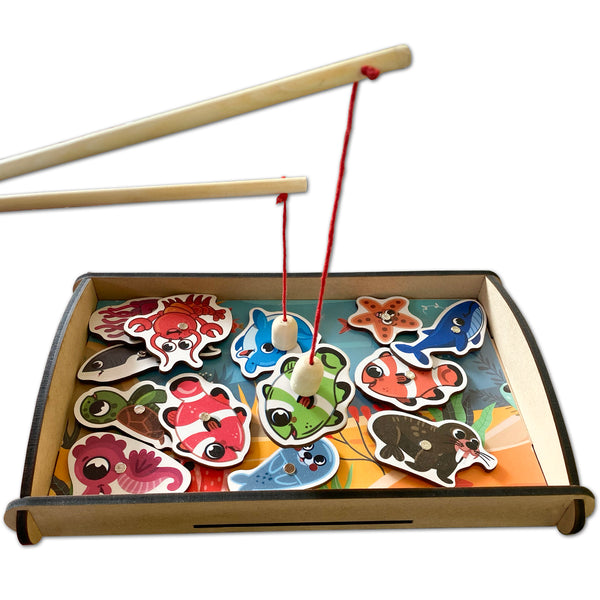
- Fine Motor Skills: Essential for pre-writing, dressing, and self-care. Toys like beads for stringing, lacing activities, play-doh, art supplies, and building sets with smaller pieces strengthen finger and hand muscles.
- Gross Motor Skills: Running, jumping, balancing are vital for coordination and physical confidence. Large outdoor toys, balance beams, tricycles, and tunnels support these skills. Even within an urban Indian apartment, creating a designated "movement zone" can make a difference.
- Language Development: Storytelling puppets, role-play props, and picture books encourage vocabulary expansion, narrative skills, and communication. Engaging in conversations around these toys is key.
- Social-Emotional Skills: Dollhouses, kitchen sets, and doctor kits foster empathy, sharing, cooperation, and understanding social roles. These are especially valuable in joint family settings where children learn to navigate complex social dynamics daily.
Prioritise Open-Ended Play and Imagination
The most powerful developmental toys for preschoolers are those that have no single "right" way to play. Open-ended toys, like wooden blocks, scarves, or simple figurines, invite children to use their imagination, creating stories and scenarios independently. Maria Montessori famously advocated for materials that encourage discovery through the child's own efforts, stating that "the child is the builder of himself." This kind of play nurtures creativity and builds stronger problem-solving skills than toys with pre-programmed functions.
Consider Durability, Safety, and Cultural Relevance
In busy Indian households, toys need to withstand enthusiastic play from multiple children, including younger siblings and cousins during festive gatherings. Opt for durable, non-toxic materials. Ensure toys are age-appropriate and free from small parts that could be choking hazards. Furthermore, look for toys that resonate culturally, perhaps featuring elements that reflect Indian festivals, flora, or fauna, adding an extra layer of engagement for your child.
Observe Your Child's Unique Interests
Ultimately, the "best" educational toy is one that genuinely captures your child's interest and motivates them to engage. If your child is fascinated by animals, consider animal figurines or a farm set. If they love construction, building blocks or an activity kit for making structures would be perfect. Observing their play helps you make choices that align with their innate curiosity, ensuring sustained engagement and deeper learning.
Montessori Toys for 3-5 Year Olds: The SkilloToys Difference
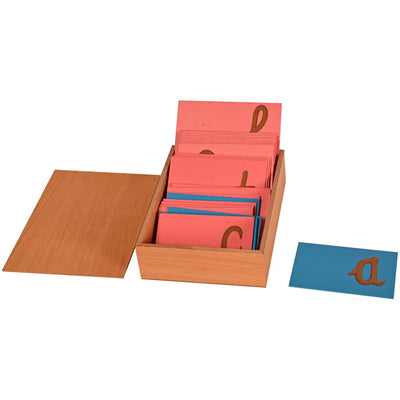
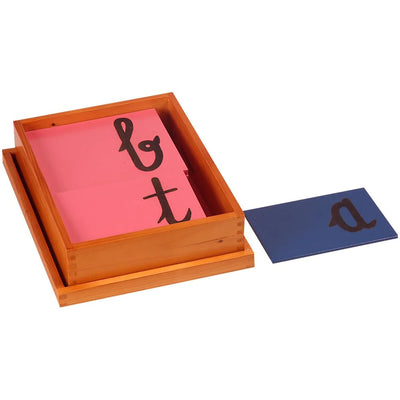
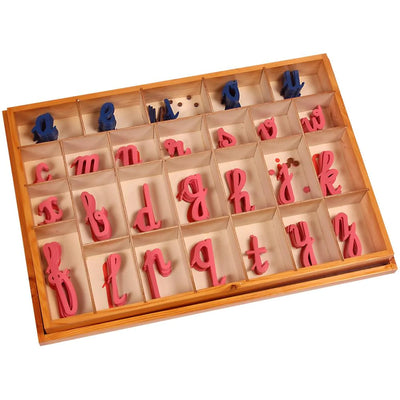
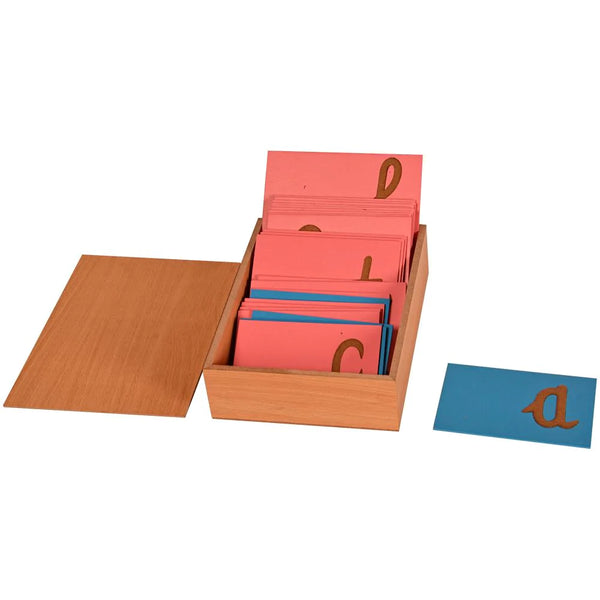
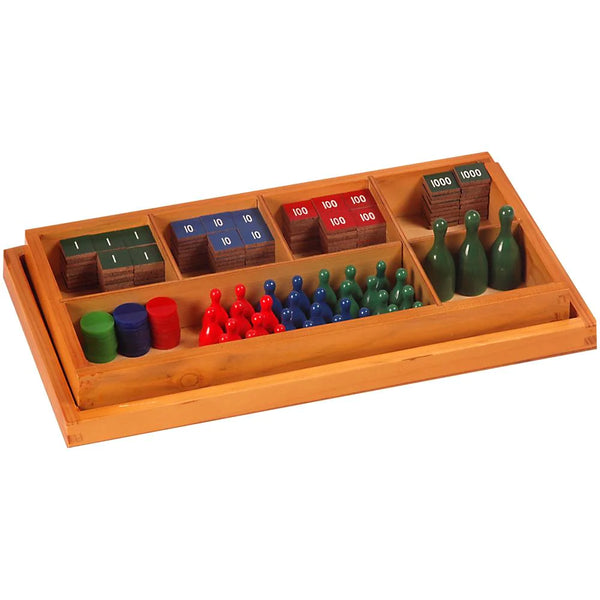
The Montessori philosophy, championed by Dr. Maria Montessori, aligns perfectly with nurturing holistic preschool development. Montessori materials are specifically designed to isolate concepts, allow for self-correction, and foster independence. For 3-5 year olds, these might include practical life activities like dressing frames or pouring exercises, sensorial materials like the Pink Tower for understanding dimensions, or early language and math materials like sandpaper letters and number rods. SkilloToys curates these authentic, high-quality materials to support your child's natural development.
For instance, a set of wooden puzzles from SkilloToys isn't just about fitting pieces; it teaches spatial reasoning, concentration, and fine motor dexterity, skills directly transferable to academic tasks like writing and geometry. These toys invite purposeful activity, allowing children to develop confidence through mastery.
Beyond the Toy: The Parent's Role in Meaningful Play
While choosing the right educational toys is crucial, your role as a parent extends beyond selection. Creating a supportive play environment, observing your child without constant intervention, and engaging in conversations about their play amplifies the learning. The NCERT's National Curriculum Framework for Foundational Stage (2022) strongly advocates for active parental and community involvement in a child's early education, echoing global calls for technical support in Early Childhood Care and Education (ECCE) across India.
This could mean setting up a dedicated play area, allowing them uninterrupted time with their chosen toys, or asking open-ended questions like "What are you building there?" instead of "Is that a house?" Grandparents, often central figures in Indian joint families, can also play a significant role, sharing traditional stories and engaging in imaginative play that enriches a child's understanding of their heritage and world.
By thoughtfully choosing educational toys and actively supporting your child's play, you're not just buying products; you're investing in their future, equipping them with the skills and confidence to thrive in school and beyond. Tonight, take a moment to observe how your child plays – you'll discover their unique learning journey and how you can best support it.