Educational Toys for 3-5 Year Olds: School Readiness Guide
Choosing the right educational toys for 3-5 year olds is paramount for fostering holistic development and ensuring a smooth transition into formal schooling in India. Research shows that engaging children with purpose-driven play materials significantly enhances cognitive, social, and motor skills, directly contributing to school readiness. These carefully selected toys not only make learning fun but also build foundational abilities essential for future academic success.
What are Educational Toys?
Educational toys are materials specifically designed to stimulate learning, encourage problem-solving, and develop various skills through play. This matters because they transform passive entertainment into active engagement, nurturing a child's natural curiosity. Indian parents can leverage these toys to provide a structured yet playful learning environment at home, complementing formal schooling.
Why Educational Toys are Crucial for Preschoolers (3-5 Years)
Child development experts agree that the 3-5 year age bracket is a critical period for rapid brain development and skill acquisition. Engaging with quality educational toys during these formative years lays a robust foundation for future learning, moving beyond rote memorization towards genuine understanding and application. Studies indicate that children who engage in purposeful play demonstrate superior problem-solving abilities and better school adjustment compared to those with limited access to such resources.
This early engagement is particularly vital in India, where the Centre for Public Policy Research highlights a learning crisis often rooted in inadequate early childhood stimulation. Investing in educational toys directly addresses this gap, preparing children not just for academics, but for life's broader challenges and the vibrant competitive landscape.
Montessori Educational Toys for Preschoolers: A Time-Tested Approach
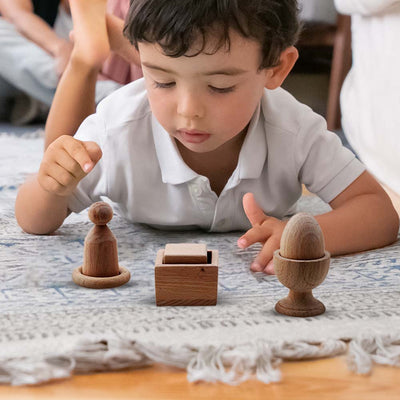
Montessori educational toys for preschoolers, pioneered by Dr. Maria Montessori, are renowned for fostering independence, concentration, and a profound love for learning. These materials are meticulously designed to be self-correcting, allowing children to learn through discovery and develop a deep understanding of concepts at their own pace. For instance, the Pink Tower develops visual discrimination of dimensions, while Sandpaper Letters introduce phonetic sounds through tactile exploration, preparing children for reading and writing.
SkilloToys.com offers a wide range of authentic Montessori learning materials that bring this time-tested philosophy right into Indian homes, empowering children to become active participants in their own education.
Boosting School Readiness: Key Development Areas & Toys
The journey towards formal schooling is eased when children possess well-developed foundational skills. School readiness toys are specifically designed to nurture these crucial areas, ensuring your child confidently steps into the classroom.
Cognitive Development & Problem Solving
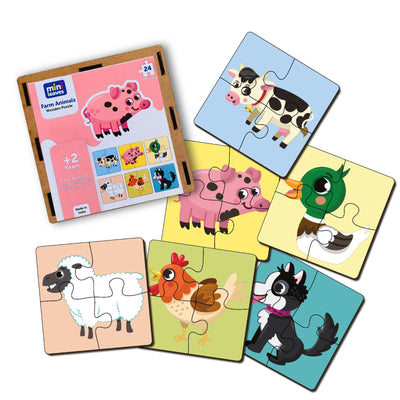
Cognitive skills, including memory, attention, and logical thinking, are the bedrock of academic success. Toys like complex wooden puzzles, pattern blocks, and shape sorters challenge young minds to strategize and find solutions. These activities enhance spatial reasoning and critical thinking, vital for mathematics and early scientific inquiry.
Fine Motor Skills & Hand-Eye Coordination
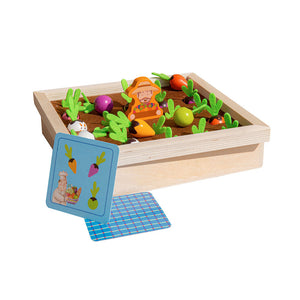
Developing dexterity and control in small hand muscles is essential for writing, drawing, and self-care tasks. Lacing beads, playdough, building blocks, and detailed activity kits are excellent for refining these skills. Such engagements prepare tiny hands for holding pencils, manipulating classroom tools, and mastering essential life skills.
Language, Communication & Early Literacy
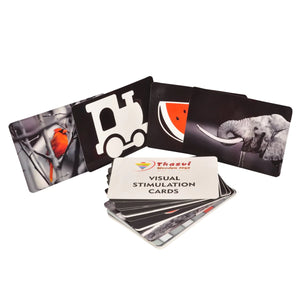
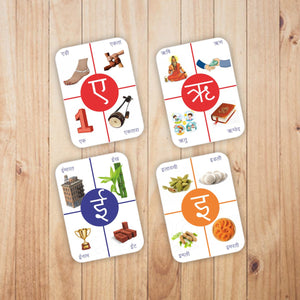
Encouraging vocabulary, storytelling, and listening skills is paramount for effective communication. Puppet sets, alphabet puzzles, and picture flashcards promote verbal expression and pre-reading skills. Engaging in conversations about these toys helps children articulate thoughts, understand narratives, and build a strong linguistic foundation.
Social-Emotional Growth & Collaboration
Learning to share, cooperate, and understand emotions is crucial for positive classroom dynamics. Role-playing sets (e.g., doctor’s kit, kitchen set) and group building activities foster empathy, negotiation, and turn-taking. This helps children adapt to group settings and manage their 'big personalities' effectively, promoting harmonious interactions.
Early STEM Exploration
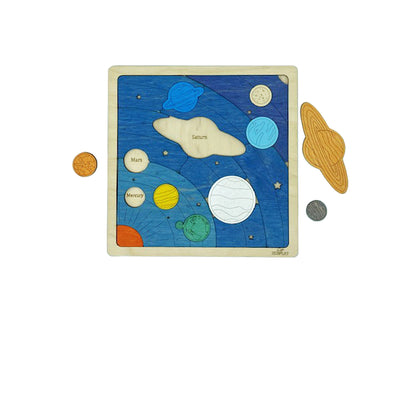
Nurturing an early interest in Science, Technology, Engineering, and Mathematics is gaining global importance, as highlighted by emerging interest in science during early childhood. Simple science experiment kits, magnetic construction sets, and engineering blocks introduce foundational STEM concepts in a fun, accessible way, sparking curiosity and investigative skills from a young age.
Choosing the Best Educational Toys for 3-5 Year Olds in India
When selecting the best educational toys for 3-5 year olds, Indian parents should consider several factors beyond just entertainment value. Prioritise open-ended toys that allow for multiple uses and encourage imaginative play, rather than single-function items. Look for durable, non-toxic materials, especially given how much children explore with their senses and often share toys in joint family settings.
Consider toys that reflect Indian culture and festivals, making learning more relatable and engaging for children growing up with rich traditions. Additionally, ensure the toy is age-appropriate and challenging enough to stimulate growth without causing frustration, aligning with a child's current developmental stage, rather than rushing towards advanced concepts like the 'Prodigy Pathway' without a solid play-based foundation.
Integrating Play into Busy Indian Family Life
Even with packed schedules, competitive schooling pressures, and the vibrancy of Indian homes, carving out dedicated play time is non-negotiable for a child’s holistic development. Grandparents often play a pivotal role here, offering a wonderful opportunity to introduce traditional games alongside modern educational toys, enriching the child's learning experience.
Integrate educational play naturally into daily routines: use counting blocks during snack time, tell stories with puppets before bed, or engage in a quick puzzle during a festival break. The key is consistent, engaged interaction, showing your child that learning is a joyful, continuous process, supported by the entire family.
- The 3-5 year age group is pivotal for a child's cognitive, social, and emotional development.
- Educational toys significantly enhance school readiness by building essential foundational skills.
- Montessori materials are highly effective in promoting independence and self-directed learning.
- Targeted play with educational toys strengthens fine motor skills, language abilities, and problem-solving.
- Selecting open-ended, culturally relevant, and age-appropriate toys is crucial for optimal development in Indian children.
- Consistent, engaged play naturally integrates learning into busy family routines, making education a joyful experience.
Why are educational toys important for preschoolers?
Educational toys are crucial for preschoolers because they foster essential cognitive, social, and motor skills through engaging play. They lay a strong foundation for future academic success and help children navigate the challenges of formal schooling with confidence.
What types of educational toys are best for 3-year-olds?
For 3-year-olds, the best educational toys include simple puzzles, stacking blocks, shape sorters, and early role-playing sets. These toys support the development of fine motor skills, problem-solving, and imaginative play, which are key at this age.
How do Montessori toys benefit a 4-year-old?
Montessori toys benefit 4-year-olds by promoting independence, concentration, and self-directed learning. Materials like Sandpaper Letters or specific sensorial exercises help refine their senses, introduce academic concepts, and encourage a natural love for discovery.
Can educational toys help with school readiness?
Yes, educational toys significantly contribute to school readiness by developing critical skills like attention span, language proficiency, fine motor control, and social cooperation. They help children adapt to structured learning environments and boost their confidence for classroom interactions.
How much screen time is too much for a 5-year-old when focusing on toys?
Child development experts recommend limiting screen time for 5-year-olds to about one hour per day, focusing on high-quality, interactive content. Prioritising physical educational toys ensures children engage in hands-on learning, crucial for developing tactile senses and motor skills that screens cannot replicate.