Educational Toys Guide: Early Math & Literacy for 3-5 Year Olds
Educational toys significantly boost early math and literacy skills in 3-5 year olds by providing hands-on, engaging experiences that build foundational concepts through play. These tools, aligned with Montessori principles, help preschoolers develop number sense, phonetic awareness, and problem-solving abilities, essential for school readiness and fostering a love for learning.
What are educational toys for early math and literacy? Educational toys for early math and literacy are materials designed to introduce foundational concepts through active, hands-on engagement. This matters because children learn best by doing, building a strong cognitive base before formal schooling. Indian parents can integrate these toys into daily routines, transforming playtime into impactful learning opportunities.
As children in India approach primary school, the emphasis on early learning is growing. Parents across Bengaluru and beyond are seeking effective ways to prepare their preschoolers, ensuring they possess crucial foundational skills in mathematics and language. This guide explores how purposeful educational toys can turn everyday play into powerful learning experiences, making school readiness a joyful journey for your little one.
The Power of Play: Why Educational Toys Matter for 3-5 Year Olds
Child development experts agree that play is the primary vehicle for learning in early childhood. For 3-5 year olds, engaging with educational toys is not just fun; it is a critical pathway for cognitive development, shaping how their brains process information and acquire new skills. These toys offer tangible experiences that traditional rote learning often misses.
In India's bustling urban centres, where 'Urban Childhood Matters' is a crucial discussion, ensuring children have access to quality early learning experiences is paramount. Educational toys bridge this gap by providing structured yet open-ended opportunities for children to explore, experiment, and understand the world around them. This active engagement builds confidence, curiosity, and a positive attitude towards learning, which are invaluable assets for school and life.
Building Blocks of Numbers: Early Math for Preschoolers
Developing early math for preschoolers is far more than just counting; it involves building number sense, understanding quantity, recognizing patterns, and grasping basic geometric concepts. Montessori math toys are specifically designed to introduce these abstract ideas through concrete, manipulable materials, making them highly effective.
Research consistently shows that children who engage with high-quality educational toys develop stronger cognitive flexibility and problem-solving skills. For instance, a long-term study indicated that early exposure to manipulative play is directly correlated with higher mathematical achievement in later schooling. These foundational experiences empower children to excel when formal education begins.
Counting & Quantity: Hands-On Math
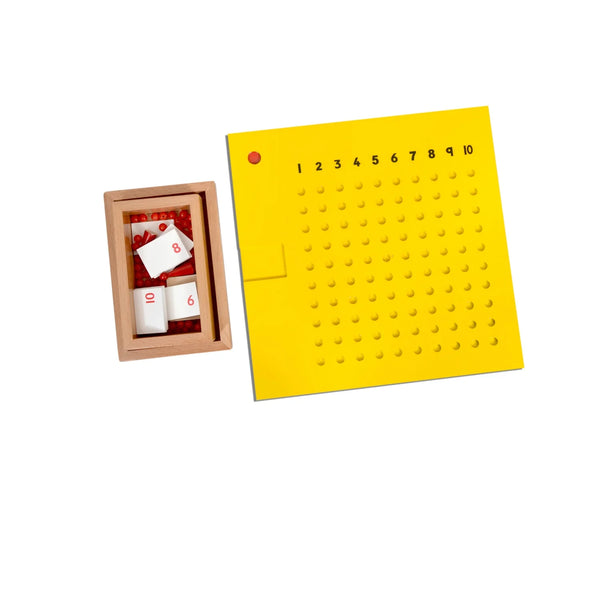
For children aged 3-5, understanding 'how many' is best learned through touch and sight. Toys like number rods, counting beads, and Montessori activity kits that involve sorting and grading allow children to visually and physically connect numbers to their corresponding quantities. This concrete experience solidifies their understanding of numerical concepts.
Parents can encourage this at home by asking children to count spoons during meal prep or group their toys by size and colour. Such practical applications reinforce the math concepts learned through play, integrating education into everyday Indian household activities and preparing them for challenges like school admissions.
Problem-Solving with Shapes & Patterns
Beyond numbers, early math encompasses spatial reasoning and pattern recognition. Geometric puzzles, pattern blocks, and shape sorters are excellent preschool learning games that challenge children to identify, compare, and arrange shapes. This activity develops critical thinking and fine motor skills, crucial for later writing.
These cognitive development toys encourage children to solve problems independently and understand relationships between objects. When a child successfully completes a shape puzzle, they are not just playing; they are actively developing logical thinking and spatial awareness, skills essential for future mathematical and scientific understanding.
Laying the Foundation for Reading: Literacy Toys for 3-5 Year Olds
For children aged 3-5, building literacy skills involves more than memorizing the alphabet; it's about connecting sounds to symbols, expanding vocabulary, and developing a love for stories. Literacy toys for 3-5 year olds are instrumental in creating a rich language environment that naturally fosters reading readiness.
Neuroscience research highlights that hands-on, multi-sensory experiences activate more brain regions, leading to deeper understanding and retention compared to passive learning. This principle is especially vital for reading, where children must integrate visual, auditory, and tactile information to decode words.
Sounds & Letters: Phonics Fun
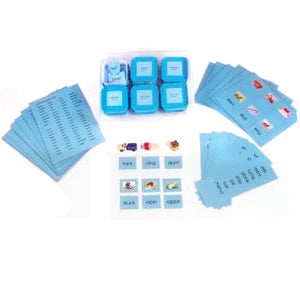
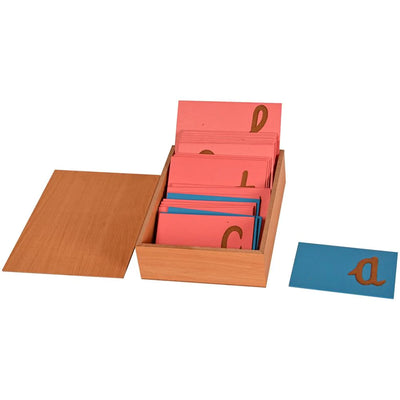
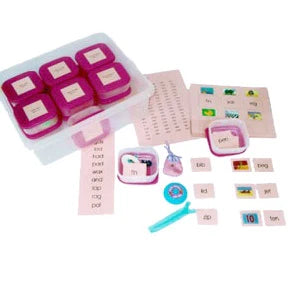
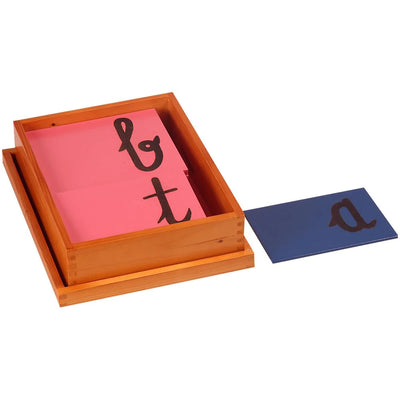
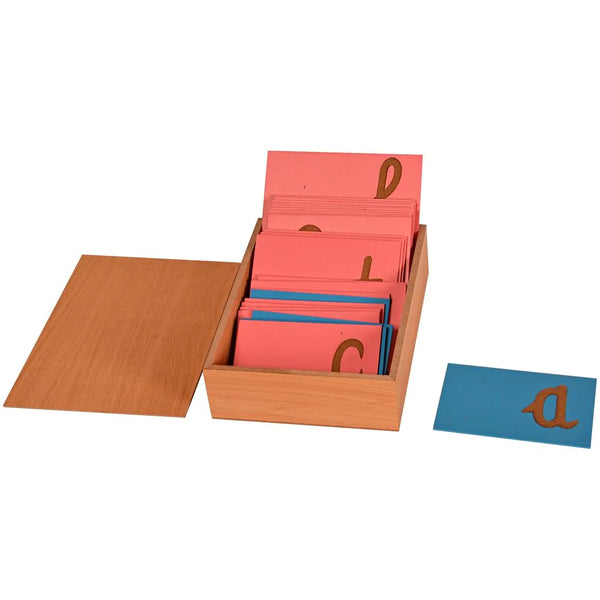
Introducing phonics through play is a cornerstone of early literacy. Montessori materials like sandpaper letters allow children to trace the shape of a letter while simultaneously hearing its sound, creating a multi-sensory learning experience. Phonetic puzzles and letter-matching games help children recognize letter shapes and associate them with specific sounds.
These reading readiness toys are designed to make learning letters and sounds an enjoyable exploration, rather than a chore. Parents can extend this by playing 'I Spy' with letter sounds or pointing out letters on signs during a family outing, making learning a continuous and natural process.
Storytelling & Vocabulary Expansion
Encouraging storytelling and expanding vocabulary are vital components of early literacy. Picture cards, story sequencing sets, and puppets provide fantastic avenues for children to create narratives, express ideas, and learn new words in context. This cultivates imagination and improves verbal communication.
Reading aloud with your child, a cherished tradition in many Indian joint families, coupled with interactive story-based toys, significantly boosts their language comprehension and introduces them to diverse narratives. Child development experts state that a rich vocabulary at age five is a strong predictor of reading success in primary school.
Choosing the Right Cognitive Development Toys for Your Child
Selecting the best cognitive development toys means looking for open-ended materials that encourage exploration, creativity, and problem-solving. It's about finding toys that grow with your child, offering different levels of engagement as their skills evolve, rather than single-use items that quickly lose appeal.
Studies indicate that children engaged in quality early learning programs perform significantly better in primary school, with one meta-analysis showing a long-term impact on test scores and reduced need for remedial education. The right educational toys are an investment in your child's future academic success and overall well-being, as highlighted by discussions around India needing a separate Ministry for Early Childhood Education.
Integrating Play into Daily Routines
The beauty of these preschool learning games lies in their ability to seamlessly integrate into daily life. Whether it's counting fruits with Dadi, arranging pattern blocks while Appa reads the newspaper, or identifying letters with Amma during a quiet afternoon, learning can happen anytime, anywhere in an Indian home. Encourage free exploration and follow your child's interests.
Making learning a part of everyday family interactions ensures that children view education as enjoyable and natural, rather than a separate, stressful activity. This approach significantly reduces the pressure often associated with school preparation and fosters a lifelong love for discovery.
The SkilloToys Difference: Quality & Purpose
At SkilloToys.com, we are committed to providing India's leading Montessori educational toys that are not only engaging but also purposeful. Our curated collection focuses on high-quality materials designed to foster holistic development, ensuring every playtime is a learning opportunity. Explore our diverse range of Montessori learning materials and give your child the best start.
We believe in empowering parents with the tools to nurture their child's innate curiosity and prepare them confidently for the journey ahead. Our selection supports early math, literacy, and all facets of cognitive growth, aligned with the latest understanding of child psychology and educational best practices.
- Educational toys are crucial for building early math and literacy skills in 3-5 year olds.
- Hands-on Montessori materials promote deep understanding of numerical concepts and counting.
- Literacy toys help preschoolers develop phonetic awareness, letter recognition, and vocabulary.
- Engaging play with educational tools fosters vital cognitive development and problem-solving skills.
- Quality early learning experiences significantly impact a child's school readiness and future academic success.
- Integrating purposeful play into daily routines supports holistic development for children in India.
How do educational toys help with early math for preschoolers?
Educational toys for early math introduce concepts like counting, sorting, and patterns through tangible experiences. This hands-on approach, vital for cognitive development, allows preschoolers to build a concrete understanding of numerical relationships before abstract learning, making math engaging and accessible.
What are the best literacy toys for 3-5 year olds?
The best literacy toys for 3-5 year olds include phonetic puzzles, sandpaper letters, story sequencing cards, and letter-matching games. These materials develop phonological awareness, letter recognition, and expand vocabulary, laying a strong foundation for reading readiness through playful exploration.
Are Montessori math toys effective for school readiness?
Yes, Montessori math toys are highly effective for school readiness as they provide self-correcting, sequential learning experiences that build strong foundational math skills. Materials like number rods and golden beads help children grasp quantity, sequence, and basic operations through sensory engagement, preparing them comprehensively for primary school curriculum.
How can Indian parents integrate preschool learning games into daily routines?
Indian parents can integrate preschool learning games by designating specific playtime for educational toys, involving grandparents, and connecting learning to everyday activities like counting during grocery shopping or identifying letters on signboards. This makes learning a natural, joyful part of family life, fitting seamlessly into busy schedules.
What is the role of cognitive development toys in preparing children for school?
Cognitive development toys are crucial in preparing children for school by enhancing problem-solving, critical thinking, memory, and attention span. These toys challenge children to strategize, explore, and understand cause-and-effect, equipping them with essential mental tools for academic success and lifelong learning.