Homeschooling Curriculum India: Montessori for 3-5 Year Olds
When considering a homeschooling curriculum India for your 3-5 year old, adapting a Montessori approach at home can transform early learning into an enriching, child-led journey. This method focuses on fostering independence and a love for discovery, perfectly aligning with the developmental needs of preschoolers in India's dynamic urban landscape. Child development experts agree that a prepared environment is crucial for optimal growth.
Montessori at home is an educational philosophy where parents create a stimulating, child-centered environment, allowing their 3-5 year old to explore and learn at their own pace. This matters because it builds crucial foundational skills like concentration, independence, and self-discipline. Indian parents can implement this by carefully selecting materials and observing their child's natural interests.
Why Montessori is Ideal for Indian Preschoolers (3-5 Years)
The urban childhood landscape in India is rapidly evolving, with a growing emphasis on holistic early childhood development, as highlighted by initiatives like 'Urban Childhood Matters' from NDTV. Parents of 3-5 year olds are increasingly seeking alternatives to traditional schooling, driven by a desire for more personalized learning experiences. Montessori offers a unique solution by respecting the child's individuality and innate curiosity, crucial during these formative years.
Research consistently shows that children aged 3-5 years thrive in environments that allow for self-directed activity and purposeful engagement. Dr. Swati Popat Vats, a leading educationist, has long advocated for the importance of robust Early Childhood Education (ECE) frameworks in India, reinforcing the idea that these years are not just about academic readiness but about developing a strong sense of self and capability. Montessori's focus on practical life skills and sensory exploration directly addresses this need, making it an excellent choice for Montessori curriculum 3-5 years at home.
Building Your Prepared Environment: Montessori at Home India
Creating a 'prepared environment' is the cornerstone of a successful Montessori at home setup, especially within the unique context of Indian homes, which often feature joint families and vibrant, bustling spaces. This isn't about having a dedicated 'classroom,' but about making certain areas child-friendly and accessible. Start by decluttering, ensuring materials are on low shelves, and providing child-sized tools wherever possible – perhaps a small broom for sweeping or a mini pitcher for pouring water.
Freedom within limits is vital. A 3-year-old in Bengaluru, for instance, might have the freedom to choose from three specific activities on a shelf, but not to scatter all toys across the house. This balance fosters respect for the environment and others, a value deeply ingrained in Indian culture. Consider incorporating elements like a small mat for 'work time' to define individual activity spaces, easily rolled up and stored in smaller flats.
Adapting a Homeschooling Curriculum: Daily Rhythm & Activities
Instead of a rigid timetable, Montessori encourages a 'rhythm' that flows with your child's natural energy and interests. For preschool homeschooling India, this means observing your child's focus and offering activities that match their developmental stage, allowing for extended periods of concentration. Here's how to integrate key Montessori areas:
Practical Life Activities (3-5 Years)
These activities connect directly to a child's environment, fostering independence and fine motor skills. In an Indian household, this could involve your child helping to sort lentils, washing small fruits for the family's breakfast, polishing brass items used for puja, or helping fold napkins for dinner. The satisfaction of contributing to daily family life is immense for a preschooler. Even simple pouring activities, using small bowls and a pitcher, build coordination and focus.
Sensorial Activities (3-5 Years)
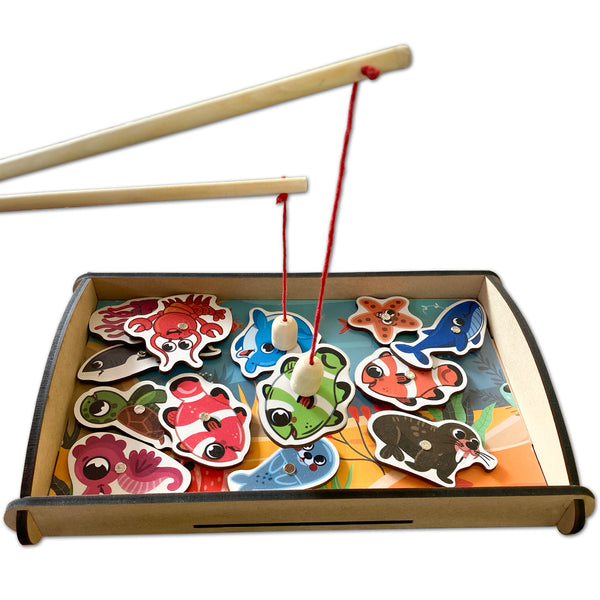
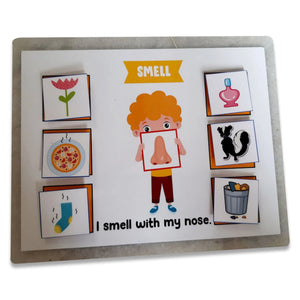
Montessori sensorial materials are designed to isolate a single quality, such as color, shape, or texture, helping children organize and understand the world. The Pink Tower, Brown Stair, and Cylinder Blocks are classic examples. You can also integrate sensory play using natural Indian elements: identifying different spices by smell, sorting various types of seeds, or exploring textures with fabrics like silk, cotton, and jute. SkilloToys offers a range of puzzles and materials that stimulate these senses.
Language Activities (3-5 Years)
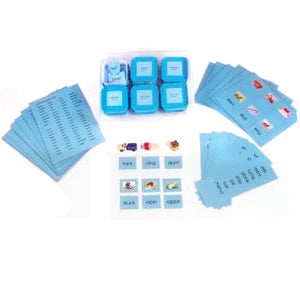
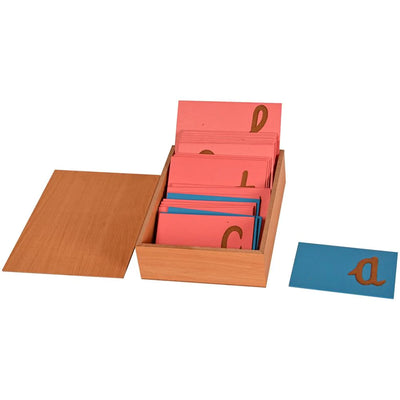
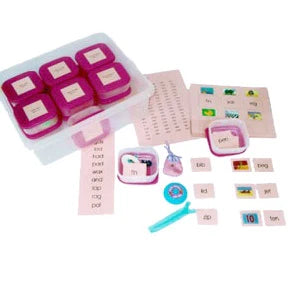
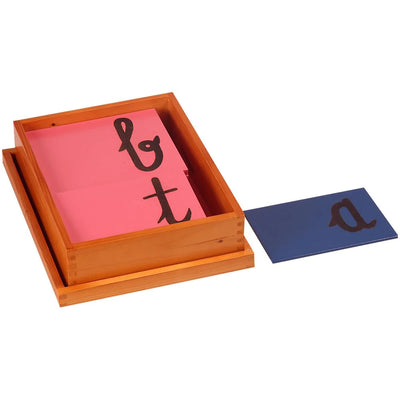
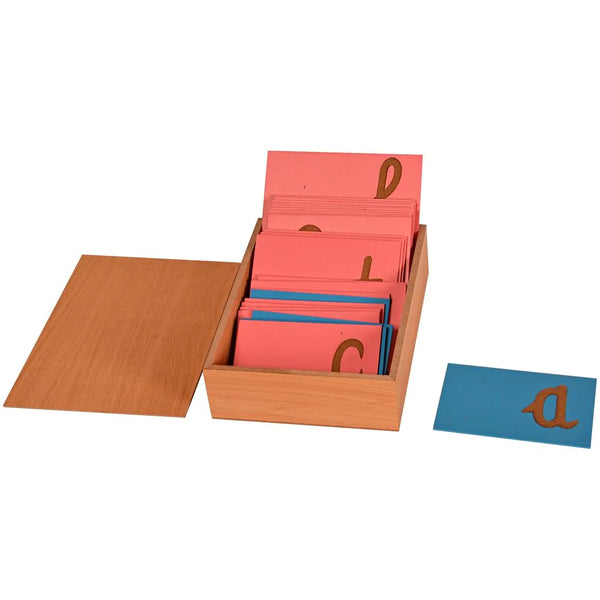
For children aged 3-5 years, language development explodes. Introduce sandpaper letters to connect touch with sound and symbol, or create 'matching games' with pictures of Indian animals or famous monuments. Storytelling, especially narratives from Indian mythology or local folklore, can be incredibly engaging. Encourage conversations about daily events, describing festivals like Diwali or Holi, helping your child expand their vocabulary in both English and their mother tongue.
Mathematics Activities (3-5 Years)
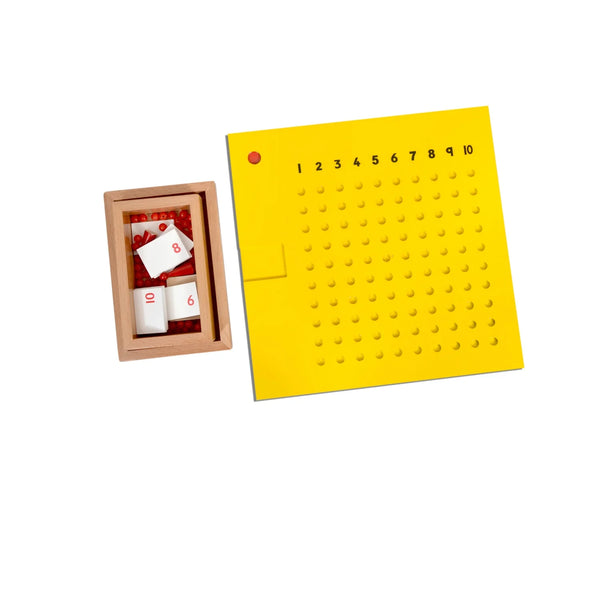
Montessori math materials make abstract concepts concrete. Number rods, spindle boxes, and bead chains introduce quantity and number recognition in a hands-on way. You can extend this by counting items during grocery shopping, sorting coins (1, 2, 5, 10 rupee coins), or creating patterns with traditional rangoli colors. SkilloToys' activity kits often include components perfect for early mathematical exploration.
Cultural Activities (3-5 Years)
Montessori's cultural curriculum is a natural fit for India's rich heritage. Explore geography with maps of India, learn about different states, their languages, and clothing. Introduce botany by observing plants in your balcony garden or a nearby park. Celebrate festivals like Lohri, Eid, Christmas, or Ganesh Chaturthi by involving your child in preparations, stories, and understanding their significance. This fosters a deep connection to their identity and community.
The Role of the Adult: The Indian Parent as a Montessori Guide
The parent's role in a Montessori homeschooling curriculum is not that of a teacher, but a 'guide.' This means observing your child keenly to understand their interests and developmental needs, preparing the environment accordingly, and then stepping back. The American Academy of Pediatrics highlights the importance of responsive parenting, which aligns perfectly with this observational approach.
It can be challenging to resist the urge to 'teach' or intervene, especially with societal pressures common in India. However, allowing your child to make mistakes and self-correct with Montessori materials builds resilience and problem-solving skills that are far more valuable than simply providing the 'right' answer. Trust in your child's innate drive to learn. When a child struggles with a puzzle, for instance, a Montessori guide might simply suggest, "Let's try looking at the shapes again," rather than putting the piece in for them. This quiet guidance empowers the child to achieve mastery themselves.