Homeschooling Curriculum India: Preschooler's Guide (3-5 Years)
Deciding on a homeschooling curriculum India for your 3-5 year old marks a significant and rewarding step in their early education journey. This path allows parents to tailor learning to their child's unique pace and interests, fostering a strong foundation within the comfort of home. Child development experts agree that a play-based, child-led approach is paramount during these formative years.
Homeschooling for preschoolers (3-5 years) in India involves creating an enriching home environment where learning happens naturally through exploration and play. This matters because it provides a personalised foundation for critical developmental skills, empowering children to become independent learners. Indian parents can adapt this approach by integrating cultural values and family wisdom into daily activities.
Why Consider Preschool Homeschooling in India?
The urban landscape of India is increasingly focused on early childhood development, as highlighted by initiatives like NDTV's 'Urban Childhood Matters'. For many parents in Bengaluru and across India, homeschooling offers a thoughtful alternative or supplement to traditional preschools, especially for children with distinct personalities or those who thrive in a more flexible setting. It's a chance to truly understand and guide your child's innate curiosity.
The Indian Parent's Perspective: Balancing Tradition and Modern Learning
Indian families often prioritise holistic development, blending academic readiness with cultural values. Homeschooling allows for this unique synergy, where traditional storytelling from grandparents can coexist with modern pedagogical approaches like Montessori. This balance ensures children are not just academically prepared but also rooted in their cultural identity.
Crafting Your Homeschooling Curriculum for 3-5 Year Olds India
Developing a robust homeschooling curriculum for 3-5 year olds India focuses on fostering independence and a love for learning, rather than rigid academics. Maria Montessori observed that children this age are in a 'sensitive period' for language, order, sensory refinement, and movement. Your curriculum should embrace these natural inclinations.
Core Developmental Areas for 3-5 Year Olds
For children like 4-year-old Aarav in a Bangalore apartment, learning unfolds through daily interactions. Child development research shows that engaging multiple senses is crucial. Here are key areas to focus on:
- Practical Life Skills: Activities like pouring water, buttoning clothes, sweeping, or helping in the kitchen. These foster independence, concentration, and fine motor skills. In an Indian home, this could mean helping prepare Diwali sweets or sorting spices.
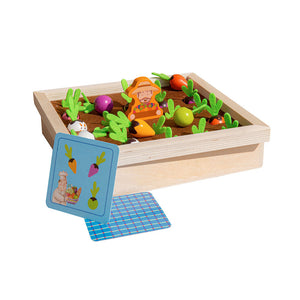
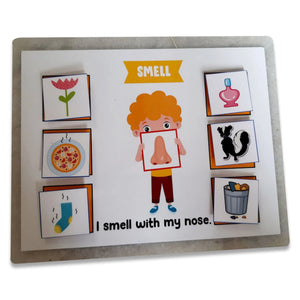
- Sensorial Exploration: Engaging the five senses through materials that teach concepts like colour, size, shape, texture, and sound. Wooden puzzles, sorting games, and exploring various spices or fabrics provide rich sensory input.
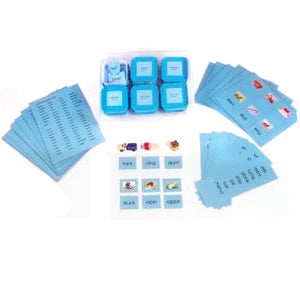
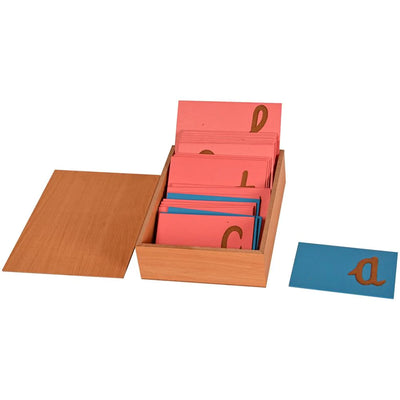
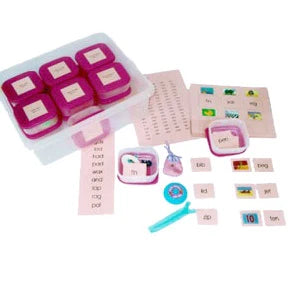
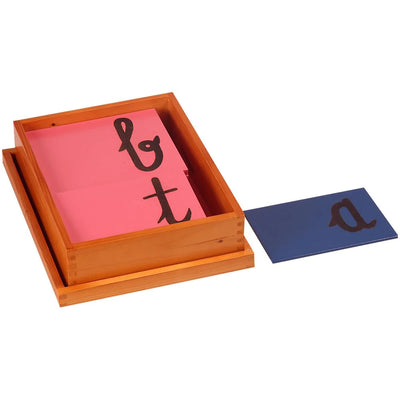
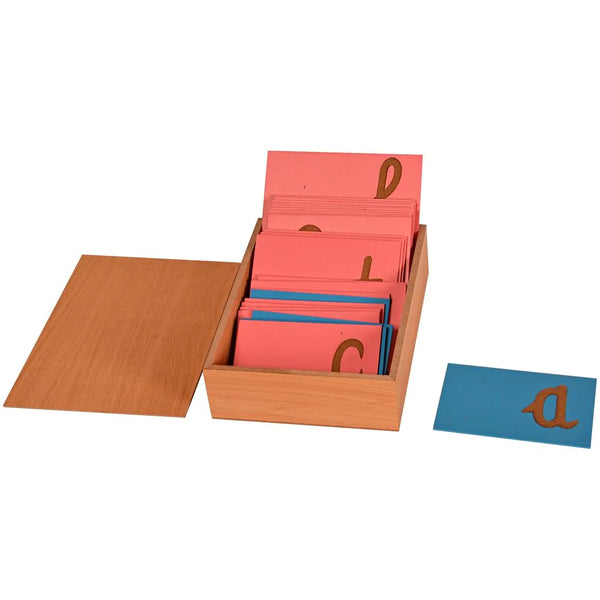
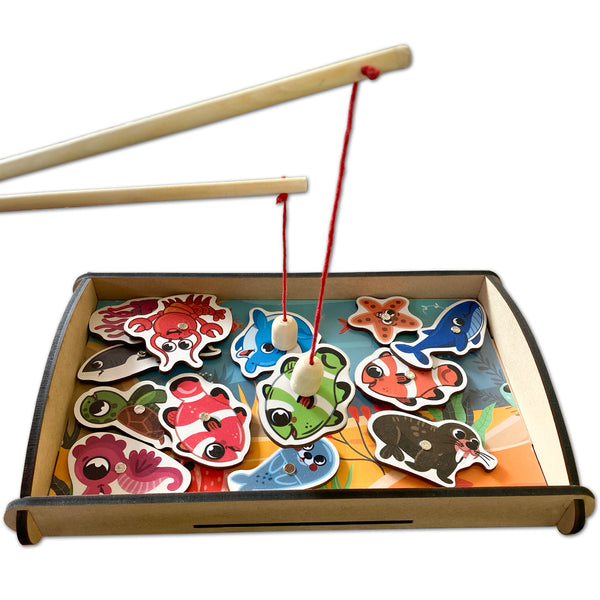
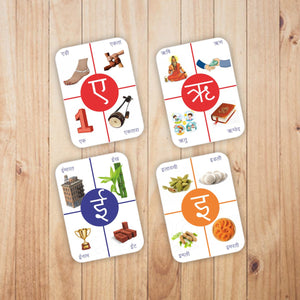
- Language Development: Rich conversations, storytelling (especially traditional Indian tales), reading aloud, and early phonics. The satisfying feel of sandpaper letters or exploring picture cards from activity kits can make learning letters engaging.
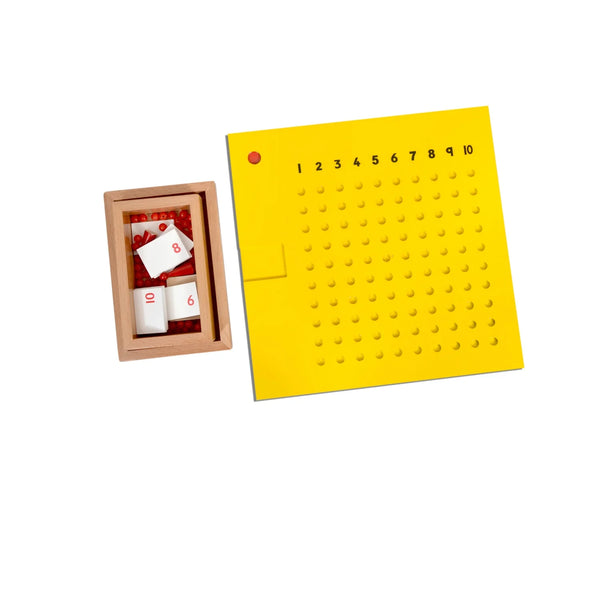
- Math & Cognitive Skills: Counting, sequencing, pattern recognition, and one-to-one correspondence. Using concrete materials like beads, blocks, or even traditional games like Pachisi can introduce these concepts playfully.
- Creative Arts & Gross Motor: Drawing, painting, singing, dancing, and plenty of outdoor play. These activities develop imagination, emotional expression, and physical coordination crucial for this age.
Montessori Homeschooling India: A Proven Framework
The Montessori method offers an exceptional framework for montessori homeschooling India, aligning perfectly with the developmental needs of 3-5 year olds. It champions a 'prepared environment' and child-led learning, where the child chooses activities from carefully designed materials. This fosters intrinsic motivation and deep concentration.
Implementing Montessori at home doesn't require a fully equipped classroom. Focus on key principles: creating order, offering choices, and observing your child. Materials such as sorting trays, stacking blocks, and lacing beads (available at SkilloToys.com) are excellent starting points for hands-on learning, encouraging self-correction and mastery.
Essential Homeschooling Resources for 3-5 Year Olds India
Access to quality homeschooling resources for 3-5 year olds India is key to a successful journey. The National Council of Educational Research and Training (NCERT)'s National Curriculum Framework for Early Childhood Education (2019) strongly advocates for play-based and experiential learning for children aged 3-6 years, aligning perfectly with a home-based, child-led approach.
Consider joining online Indian homeschooling communities for support and ideas. SkilloToys.com is dedicated to providing high-quality, age-appropriate educational toys and materials that are perfect for home learning environments. Look for open-ended toys that encourage creativity and problem-solving, rather than single-purpose gadgets.
Integrating Grandparents and Joint Family Wisdom
A unique advantage of homeschooling in many Indian contexts is the presence of grandparents or extended family. This multi-generational setup is a powerful, organic learning resource. Grandparents can naturally contribute to language development through stories, cultural wisdom, and practical life skills passed down through generations.
Encourage your child to spend time with their Dadi or Nani, listening to tales of festivals, helping with simple chores, or learning traditional songs. This interaction enriches their cultural understanding and social-emotional development in ways formal schooling often cannot replicate, turning daily family life into a learning experience.
Overcoming Challenges and Fostering "Big Personalities"
Parents often worry about socialisation or managing their child's strong will. Remember, a 'big personality' in a 3-5 year old is often a sign of developing independence and curiosity. Homeschooling, with its focus on observation and individual needs, can uniquely nurture these traits.
For socialisation, arrange regular playdates, visit local parks, and participate in community events. The flexibility of homeschooling allows for trips to museums, libraries, and nature walks, providing real-world learning experiences. Establish a loose daily rhythm rather than a rigid schedule, allowing for spontaneous learning moments.
Choosing a homeschooling path for your preschooler in India is an opportunity to craft an education deeply personal and culturally resonant. By focusing on play, embracing Montessori principles, and leveraging the richness of your Indian home environment, you empower your child to build a joyful and robust foundation for lifelong learning. Start today by observing your child's interests and slowly introducing engaging, developmental activities into their day.