How to Fund Preschool Activities India: A Parent's Guide
To effectively how to fund preschool activities India, parents must proactively implement a structured financial plan, including dedicated savings accounts and strategic budgeting, which ensures children access essential early enrichment without undue financial strain. This guide empowers Indian families to navigate the financial landscape of early childhood education confidently.
Financial planning for early childhood education involves setting aside funds specifically for preschool, enrichment classes, and educational materials. This matters because robust early learning experiences, as championed by Maria Montessori, significantly impact cognitive and social development. Indian parents can start by assessing costs and creating a realistic savings strategy.
Understanding the Cost of Preschool Enrichment in India
The cost of preschool enrichment India is a significant concern for many parents, as recently highlighted by The Economic Times, noting that child enrichment can cost upwards of ₹1 lakh per year. This expense often includes structured classes like phonics, robotics, art, music, and sports, all designed to foster holistic development in 3-5 year olds. Understanding these varied costs is the first step towards effective financial preparation for your child's developmental journey.
These costs are not uniform across India; they vary considerably between metropolitan cities like Bengaluru, Mumbai, and Delhi, and smaller towns. Factors such as the reputation of the institution, the duration of classes, and the type of activity all contribute to the overall expenditure. Research shows that early investments in quality enrichment significantly enhance a child's school readiness and foundational skills.
Creating a Practical Budget for Child Activities
Establishing a realistic budget for child activities is fundamental for managing expenses without compromising on quality experiences. Indian families can begin by categorising potential costs: tuition fees, material costs, transportation, and occasional workshop fees. Discussing these with your spouse or even joint family members can help pool resources and gain perspective.
Many parents find success by allocating a fixed percentage of their monthly income towards their child's education fund, similar to planning for major festivals or family events. It is essential to differentiate between essential developmental activities and optional extras, prioritising those that align with your child's unique interests and learning style. Child development experts agree that consistent, high-quality engagement, even if home-based, is more impactful than sporadic, expensive classes.
Strategic Saving for Your Child's Education Journey
Proactive saving for child's education is paramount, especially when anticipating primary school admissions and future educational needs. Consider opening a dedicated savings account or exploring child-centric investment plans offered by various financial institutions in India. Automating monthly transfers ensures discipline and steady growth of your corpus.
Parents often leverage annual bonuses, Diwali gifts, or tax-saving investments to boost their child's education fund. This forward-thinking approach provides peace of mind and reduces the pressure when admission season arrives. Studies indicate that parents who start saving early are better positioned to provide diverse enrichment opportunities without financial strain.
Exploring Affordable Preschool Activities in India
Accessing affordable preschool activities India does not mean compromising on quality or developmental impact. Many community centres, local libraries, and NGOs offer excellent, low-cost or free programmes for young children. These often include storytelling sessions, craft workshops, and playgroups that foster social skills and creativity.
Consider rotating between paid and free activities throughout the year. For instance, enrolling in a paid art class for a quarter and then transitioning to free park visits and library time can balance the budget effectively. Leveraging local resources allows your child to explore various interests without accumulating significant costs.
Leveraging Home-Based Learning with Montessori Materials
Home-based learning is a powerful, cost-effective way to supplement formal preschool and enrichment classes, especially using Montessori-inspired methods. Maria Montessori emphasized the prepared environment, where children learn through self-directed activity with specially designed materials. Investing in high-quality educational toys can provide countless hours of engaging and beneficial learning experiences.
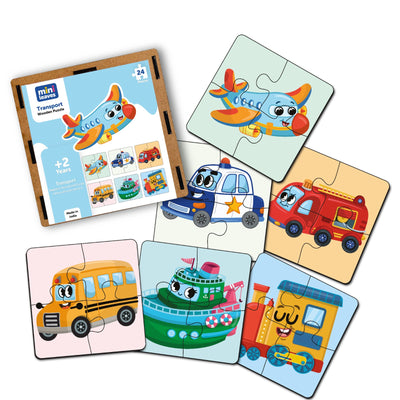
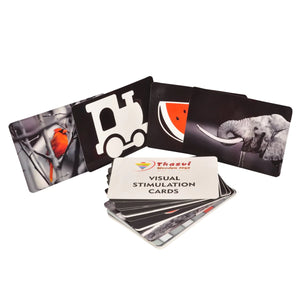
SkilloToys offers a wide range of materials perfect for children aged 3-5. Our puzzles, for example, develop problem-solving skills, hand-eye coordination, and spatial awareness. Similarly, our engaging activity kits bring structured, hands-on learning right into your living room. These resources complement classroom learning and empower parents to be active participants in their child's development, providing continuous learning even during school breaks or festivals. Explore our full range of Montessori learning materials to create a stimulating home environment.
Long-Term Financial Planning for Early Childhood Education
While the immediate goal is funding preschool activities, it is prudent to integrate this into a broader financial planning for early childhood education strategy. This holistic view considers primary school, secondary education, and potentially higher studies, creating a seamless financial roadmap. Early planning ensures that significant milestones, like school admissions, are met with readiness rather than apprehension.
Discussing financial goals with your extended family, especially grandparents who often contribute to a child's future, can also provide additional support and insights. Creating a family-wide understanding of these financial commitments fosters a supportive environment for your child's educational journey. UNICEF reports that quality early childhood education improves school readiness by up to 30%, making this early investment truly invaluable.
- Parents must implement a structured financial plan to fund preschool activities in India effectively.
- The cost of preschool enrichment in India can exceed ₹1 lakh annually, requiring diligent budgeting.
- Dedicated savings accounts and automated transfers are crucial for consistent saving for a child's education.
- Affordable preschool activities are available through community centres and home-based Montessori learning.
- Investing in quality Montessori materials supports continuous child development at home.
- Long-term financial planning for education should commence early, ideally from a child's birth.
What is the average cost of preschool activities in India?
The cost of preschool activities in India varies significantly based on city, institution, and activity type. Research indicates that urban enrichment classes can range from ₹30,000 to over ₹1 lakh annually, depending on their intensity and prestige.
How can I save for my child's preschool education effectively?
Saving effectively for preschool education involves setting up a dedicated savings account, automating monthly transfers, and exploring investment options like mutual funds for a higher return. Consistent, disciplined saving from an early stage is crucial for building a substantial fund.
Are there government schemes to support early childhood education in India?
Currently, direct government schemes specifically for funding private preschool activities for all children are limited, but the government does support Early Childhood Care and Education (ECCE) through Anganwadi centres. These initiatives primarily focus on foundational literacy and numeracy for underserved communities.
What are some budget-friendly alternatives to expensive enrichment classes?
Budget-friendly alternatives include leveraging community centres, local libraries, and online resources for learning activities. Home-based learning with high-quality, durable Montessori materials and engaging in outdoor play also provides significant developmental benefits at a lower cost.
When should I start financial planning for my child's preschool years?
Parents should ideally begin financial planning for preschool and early childhood enrichment as soon as a child is born, or even earlier. Starting early allows for smaller, more manageable contributions over a longer period, significantly easing the financial burden.