India Early Learning Gaps: A Parent's Guide (3-5 Years)
India's early learning gaps, particularly for children aged 3-5 years, represent a critical challenge to their foundational development and future academic success. Research indicates that a significant percentage of children in India enter primary school without essential cognitive and socio-emotional skills, directly impacting their ability to learn effectively later on. Addressing these gaps proactively at home empowers Indian parents to lay a robust foundation, ensuring their child is well-prepared for school and lifelong learning.
Recent reports, like the Centre for Public Policy Research's 'Failing at the Foundation: Why India’s Learning Crisis Begins in Early Childhood,' underscore the urgency of this issue. This isn't just about academics; it's about equipping our little ones with the confidence and abilities needed to thrive in a rapidly changing world. As parents in India, understanding these challenges is the first step towards transforming them into opportunities for growth.
What Are India's Early Learning Gaps?
India's early learning crisis refers to the widespread deficiency in foundational literacy and numeracy skills among children entering primary education, often stemming from inadequate early childhood education quality. This matters because it creates a cumulative disadvantage, making subsequent learning more difficult. Indian parents can mitigate this by fostering a rich home learning environment and supplementing with quality educational resources.
Understanding the Foundational Learning Challenges India Faces
The conversation around preschool learning crisis India is gaining momentum, and for good reason. Studies indicate that many children, particularly in rural and low-income urban areas, lack exposure to stimulating environments crucial for developing pre-reading, pre-writing, and basic number sense before formal schooling. This impacts their ability to grasp new concepts and keep pace with curriculum demands later on.
The National Education Policy (NEP) 2020, as highlighted by discussions on platforms like orfonline.org, aims to address this by emphasizing foundational learning. However, parental involvement remains paramount. Experts agree that a child's earliest years are critical for cognitive, social, and emotional development, making the home environment a powerful catalyst or a significant barrier to their future success.
Why Early Intervention Matters: Bridging Learning Gaps for 3-5 Year Olds
The 3-5 year age range is a period of immense neurological growth and skill acquisition. Children develop rapidly in language, motor skills, problem-solving, and social interaction. Overlooking foundational learning challenges India presents at this stage can lead to more significant struggles later on, impacting a child's confidence and overall school experience.
Bridging learning gaps 3-5 year olds face requires intentional, stimulating activities that nurture curiosity and build essential cognitive pathways. Research shows that children who receive quality early learning support are more likely to perform better academically, exhibit stronger social skills, and have a more positive outlook towards learning throughout their lives. This is especially true in India, where academic pressure often starts early.
Montessori: A Powerful Approach for Quality Early Childhood Education in India
Maria Montessori's philosophy, emphasizing self-directed activity, hands-on learning, and collaborative play, offers a highly effective framework for addressing early childhood education quality India needs. Montessori for foundational skills focuses on developing independence, concentration, and practical life abilities, which are critical for school readiness and beyond. These principles resonate deeply with the holistic development sought by Indian parents.
Montessori materials are designed to be self-correcting, allowing children to learn from their mistakes independently and build a strong sense of accomplishment. This approach fosters a love for learning, rather than just rote memorization, preparing children not just for school but for life. Incorporating such principles at home can significantly enhance a child's learning journey.
Practical Strategies for Parents at Home
Empowering your child to overcome potential learning gaps doesn't require complex curricula; it requires consistent, engaging interaction. Here are actionable steps Indian parents can take:
- Cultivate a "Prepared Environment": Designate a special corner for learning with age-appropriate Montessori materials, books, and art supplies. This encourages independent exploration and self-directed play, crucial for 3-5 year olds managing big personalities and burgeoning curiosities.
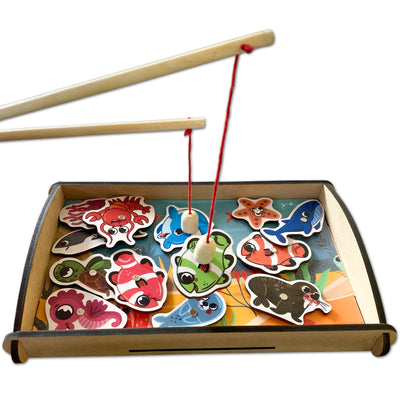
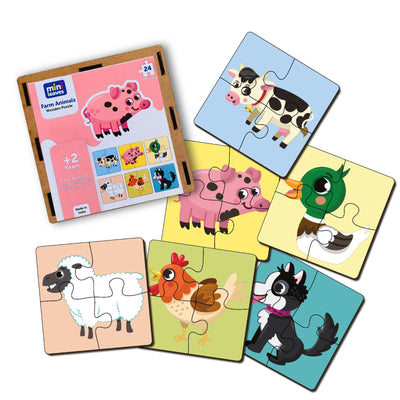
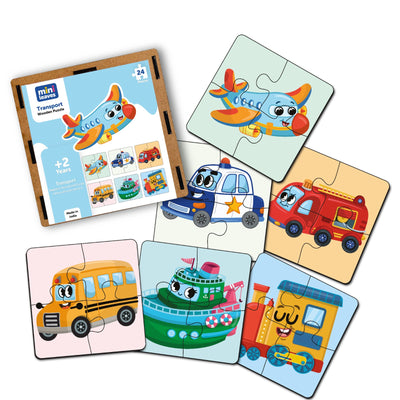
- Engage in Purposeful Play: Simple activities like sorting clothes, counting vegetables while cooking, or identifying shapes in the environment turn daily chores into learning opportunities. Introduce challenging puzzles that develop problem-solving skills and spatial reasoning.
- Read Aloud Daily: Reading together exposes children to new vocabulary, fosters imagination, and builds pre-literacy skills. Even if they don't understand every word, the rhythm and context of stories are invaluable. In joint families, grandparents reading traditional stories adds cultural richness.
- Encourage Independence and Practical Life Skills: Let your child help with simple tasks like setting the table, watering plants, or dressing themselves. These activities build fine motor skills, coordination, and a sense of responsibility – key tenets of the Montessori method. SkilloToys' activity kits often include elements that promote these skills.
- Limit Screen Time: While digital tools have their place, excessive screen time can hinder social interaction and hands-on learning essential for foundational development. Prioritize real-world experiences over passive consumption.
- Foster Language Development: Engage in conversations, ask open-ended questions, and listen actively to your child's responses. Encourage them to express their thoughts and feelings, building critical communication skills.
By consistently applying these strategies, Indian parents can transform their homes into vibrant learning laboratories. This proactive approach not only addresses existing learning gaps but also instills a lifelong love for discovery, preparing children for the academic rigor of primary school and beyond.
- India's early learning gaps significantly impact children's foundational development from 3-5 years.
- Early intervention is crucial for bridging these gaps and ensuring school readiness for young children.
- The Montessori method provides a proven, effective framework for fostering essential cognitive and socio-emotional skills.
- Parents play a primary role in creating a stimulating home environment that supports learning.
- Integrating purposeful play, practical life skills, and reading aloud significantly enhances a child's development.
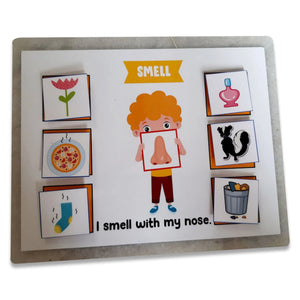
- Quality educational materials, like Montessori-inspired toys, are valuable tools for hands-on learning.
What are the biggest early learning gaps for Indian children aged 3-5?
The biggest early learning gaps for Indian children aged 3-5 often include foundational literacy (pre-reading, pre-writing) and numeracy skills, alongside critical thinking and socio-emotional development. These deficiencies can impact their ability to succeed in primary school.
How can parents identify if their child has a learning gap?
Parents can identify potential learning gaps by observing their child's engagement with age-appropriate activities, their ability to follow simple instructions, and their developmental milestones compared to peers. Consulting preschool teachers or pediatricians for developmental assessments is also recommended.
Does Montessori education specifically help bridge learning gaps?
Yes, Montessori education is highly effective in bridging learning gaps by offering individualized, hands-on learning experiences that cater to each child's pace and interests. Its structured approach builds foundational skills in a comprehensive and engaging manner.
What is the role of grandparents in addressing early learning challenges?
Grandparents play a vital role in addressing early learning challenges by sharing traditional stories, engaging children in daily activities, and offering emotional support. Their presence enriches the learning environment, particularly in joint family settings, by providing diverse perspectives and wisdom.
Are educational toys truly effective for foundational learning?
Educational toys are incredibly effective for foundational learning when chosen thoughtfully, as they provide concrete experiences for abstract concepts. Materials like puzzles and activity kits from SkilloToys facilitate cognitive development, problem-solving, and fine motor skills essential for school readiness.