India's Early Learning Crisis: Empowering Preschoolers
A recent report from the Centre for Public Policy Research (CPPR) unequivocally highlights that India's early learning crisis initiates in early childhood, impacting millions of preschoolers nationwide. This critical issue underscores the urgent need for parents to understand the systemic challenges and actively empower their children aged 3-5 years. By recognizing these foundational gaps early, Indian parents can transform their homes into dynamic learning environments, ensuring their little ones are not just prepared for school but also for life.
What is India's Early Learning Crisis?
India's early learning crisis refers to the widespread lack of foundational skills among children aged 3-5, crucial for future academic success. This matters because inadequate early education creates significant learning gaps that are difficult to overcome later, impacting national development. Indian parents can actively mitigate this by fostering a stimulating home environment and understanding developmentally appropriate learning.
Early Childhood Education Challenges in India: Understanding the Systemic Crisis
Research from the CPPR report decisively points to systemic weaknesses in early childhood education challenges in India. These include disparities in access to quality preschools, a shortage of trained educators, and curriculum deficiencies that fail to adequately foster critical foundational skills. Such challenges are compounded by socioeconomic factors, often leaving children in many regions of Bengaluru and beyond unprepared for formal schooling.
Child development experts agree that the years from 3 to 5 are formative, influencing cognitive, social, and emotional development. The current crisis suggests that many children are missing out on these crucial developmental windows. This has broader implications, echoing concerns raised by UNICEF regarding both Early Childhood Education and Early Childhood Nutrition, recognizing that a child's holistic well-being is intrinsically linked to their learning potential.
Bridging Preschool Learning Gaps in India: Why Foundational Skills Development is Critical
The learning gaps prevalent in India's preschool system manifest as deficiencies in foundational skills development India, such as basic literacy, numeracy, and problem-solving abilities. Studies indicate that a significant percentage of children entering primary school lack the readiness needed to grasp complex concepts, as consistently highlighted by Pratham's ASER reports. This early deficit creates a compounding effect, making subsequent learning significantly harder for children.
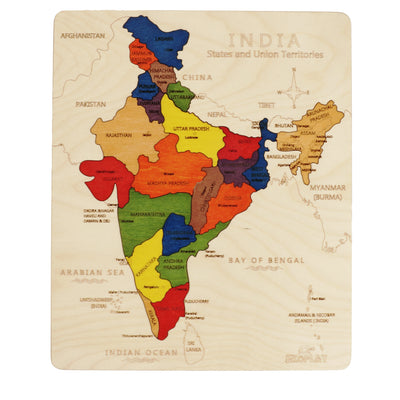
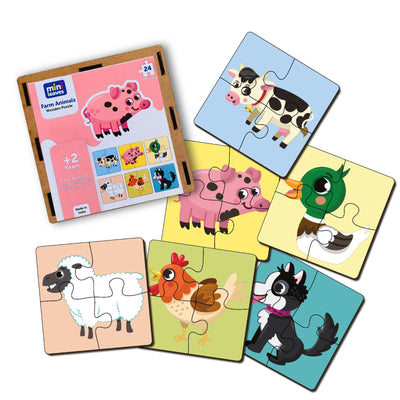
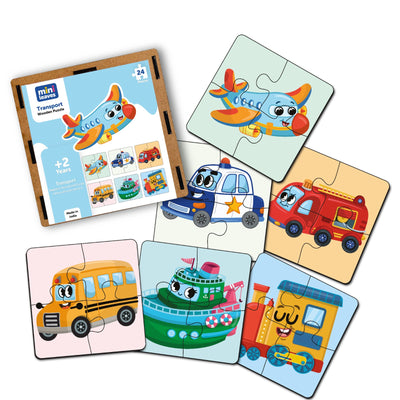
Addressing these preschool learning gaps India requires targeted intervention during the sensitive period of 3-5 years. Montessori philosophy, championed by Dr. Maria Montessori, emphasizes that children at this age are like sponges, absorbing information and developing their intelligence through hands-on exploration. Providing materials like a set of puzzles can greatly enhance logical thinking and fine motor skills, crucial for school readiness.
The Crucial Parental Role in Early Learning India: Nurturing Growth at Home
In the face of varying quality in formal early education, the parental role in early learning India becomes paramount. Parents are their child's first and most influential teachers, especially in our vibrant Indian homes where joint families often provide a rich tapestry of experiences. Engaging children in daily chores, festival preparations, or simple storytelling sessions with grandparents fosters language development, cultural awareness, and practical life skills.
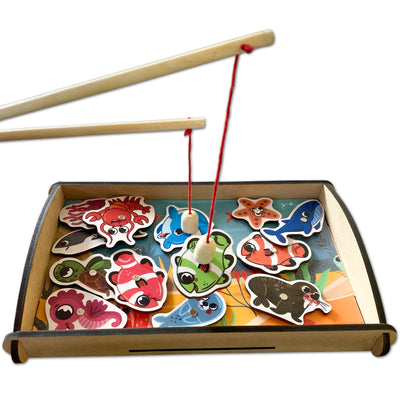
Providing a 'prepared environment' at home, a key Montessori concept, doesn't require expensive setups. It means offering age-appropriate materials and opportunities for independent exploration. Simple activity kits can introduce concepts of sorting, matching, and pattern recognition, making learning a joyful discovery. This active involvement from parents ensures that children develop self-reliance and a natural curiosity that transcends rote learning.
Montessori Solutions for India's Learning Crisis: Empowering Every Child for Success
Montessori offers powerful, proven Montessori solutions for India's learning crisis by focusing on individualized education and the child's innate drive for self-development. Unlike traditional methods that might focus on memorization, Montessori emphasizes concrete, self-correcting materials that allow children to learn through discovery. For instance, the Pink Tower helps children understand mathematical concepts of size and order, while Sandpaper Letters provide a tactile introduction to phonics.
Incorporating Montessori principles at home empowers children to become confident, independent learners. This approach directly tackles the root causes of the learning crisis by nurturing concentration, coordination, independence, and a sense of order—the four pillars of Montessori education. Bengaluru parents can explore a wide range of Montessori method learning materials & toys to create an engaging and enriching environment for their 3-5 year olds.
- India's early learning crisis is a documented national challenge starting in the preschool years (3-5).
- The Centre for Public Policy Research (CPPR) highlights systemic weaknesses in early childhood education.
- Early intervention is crucial for mitigating learning gaps and fostering foundational skill development in young children.
- Parents play a primary and indispensable role in a child's early learning, creating a stimulating home environment.
- Montessori education offers practical, child-centric solutions for addressing learning gaps and building holistic development.
- Providing a 'prepared environment' at home empowers children with independence and a love for learning.
What are the biggest challenges in early childhood education in India?
The biggest challenges in India's early childhood education include disparities in access and quality, lack of trained educators, and insufficient resources. Systemic issues often lead to children missing foundational skills crucial for later learning.
How can I identify if my preschooler (3-5 years) has learning gaps?
You can identify learning gaps by observing your child's engagement with age-appropriate tasks, problem-solving abilities, and communication skills. Difficulty with basic counting, letter recognition, or expressing needs can indicate areas needing support.
Is Montessori relevant for Indian preschoolers facing this learning crisis?
Yes, Montessori is highly relevant for Indian preschoolers as it focuses on individualized, hands-on learning that addresses foundational skill development. It helps bridge gaps by fostering independence, concentration, and a love for learning in a prepared environment.
What role do grandparents play in early learning in Indian joint families?
Grandparents in Indian joint families play a vital role in early learning, offering rich linguistic exposure, cultural storytelling, and practical life skills through daily activities. Their presence provides a nurturing environment that supports social-emotional development and traditional knowledge.
How can I balance academic readiness with play-based learning for my child aged 3-5?
Balancing academic readiness with play-based learning involves integrating structured activities within a playful context, ensuring learning feels natural and engaging. Utilize Montessori-inspired materials that teach concepts through exploration, allowing children to learn at their own pace while developing essential skills.