Kannada Vowels for Preschoolers: Montessori Guide
Teaching Kannada vowels (ಸ್ವರಗಳು) to preschoolers (3-5 years) can be a delightful and enriching experience when approached with Montessori principles, fostering early literacy and cultural connection. This guide outlines practical, child-centered strategies that parents in Bengaluru and across India can implement to introduce the foundational sounds of Kannada effectively and joyfully at home.
Early childhood development research shows that children in the 3-5 age bracket are in a sensitive period for language acquisition, making this an ideal time to introduce foundational literacy concepts. By engaging them with the vibrant sounds of Kannada, parents lay a crucial groundwork for future academic success and strengthen their child's cultural roots, especially relevant in diverse Indian households.
What are Kannada Vowels (ಸ್ವರಗಳು)?
Kannada vowels, known as ಸ್ವರಗಳು (svaragalu), are the fundamental sound units in the Kannada script that can be pronounced independently. There are 13 main vowels that form the building blocks of the language. This understanding matters because mastering these sounds is essential for reading, writing, and speaking Kannada fluently. Indian parents can effectively introduce these vowels through a multi-sensory and engaging approach, making learning a natural part of their child's daily exploration.
Why Early Kannada Learning Matters for Indian Preschoolers
Introducing children to their regional language, such as Kannada, during their preschool years offers significant cognitive and cultural advantages. Research shows that bilingual or multilingual children often demonstrate enhanced problem-solving skills and cognitive flexibility, preparing them better for a complex world.
Beyond academics, early Kannada learning deeply connects children to their heritage, enabling them to communicate with grandparents, understand local stories, and participate in festivals with greater appreciation. This cultural grounding is vital in the Indian context, where family bonds and traditions play a central role, helping children embrace their identity in bustling cities like Bengaluru.
Furthermore, the National Education Policy (NEP) 2020 emphasizes the importance of mother tongue or regional language instruction in early childhood. This policy shift underscores the academic benefits of strong foundational literacy in a child's native language, making preschoolers' early exposure to Kannada a strategic step towards school readiness and future learning success.
The Montessori Approach to Teaching Kannada Vowels
The Montessori method, pioneered by Dr. Maria Montessori, advocates for a child-centered approach that respects each child's unique pace and interests. When teaching Kannada vowels (ಸ್ವರಗಳು), this means moving beyond rote memorization to a hands-on, sensorial experience where children discover sounds and letters through exploration rather than instruction.
This approach emphasizes a 'prepared environment' and 'indirect preparation,' where children are gently introduced to concepts through engaging materials. Instead of drill-based learning, Montessori encourages the child to manipulate materials, fostering an intrinsic love for learning and deep understanding. This self-directed discovery is particularly effective for the 3-5 age group, aligning with their natural drive for independence and exploration.
Setting Up Your Home for Kannada Vowel Exploration
Creating a stimulating home environment doesn't require elaborate setups or expensive equipment. Focus on simplicity, order, and accessibility. Designate a small, tidy corner for language activities where materials are within your child's reach, fostering independence. Include a small mat or table to define their workspace, much like in a Montessori classroom.
Gather everyday objects and simple materials to represent Kannada vowel sounds. Think about household items or natural elements that can be associated with each sound. This encourages observation and connection to their immediate world, making learning concrete and relevant for your preschooler.
Engaging Activities to Teach Kannada Vowels
Montessori-inspired activities make learning abstract concepts like Kannada vowels tangible and fun. These activities cater to a preschooler's need for movement and hands-on exploration, ensuring deeper engagement and retention.
Sandpaper Vowels and Tracing
Maria Montessori's brilliant invention, sandpaper letters, provides a tactile way for children to associate the feel of a letter with its sound and form. Create your own Kannada sandpaper vowels by tracing and cutting letters from sandpaper and pasting them onto sturdy cards.
Introduce one vowel at a time using the 'Three-Period Lesson': 1) Name it ('This is ಅ'); 2) Recognize it ('Show me ಅ'); 3) Recall it ('What is this?'). This method allows children to trace the letter with their fingers, feeling its shape while hearing its sound, reinforcing the neural pathways for writing and reading. For related learning tools, explore our Montessori method learning materials.
Vowel Object Boxes (Baskets)
Prepare small baskets or boxes, each labeled with a Kannada vowel, and fill them with miniature objects whose names begin with that specific vowel sound. For instance, a box for 'ಅ' (a) could contain an 'ಅنانಸ್' (ananas - pineapple) toy or a picture of 'ಅಮ್ಮ' (amma - mother).
Children love sorting and matching. This activity builds phonetic awareness and vocabulary in a playful, self-correcting way. Encourage them to name the objects and identify the initial vowel sound, making it a multisensory experience.
Sound Games and Rhymes
Auditory discrimination is key to language development. Play simple 'I Spy' games using Kannada words, focusing on initial vowel sounds. Sing traditional Kannada lullabies or rhymes that feature prominent vowel sounds, making learning a cherished family activity.
Grandparents often have a treasure trove of songs and stories that can naturally immerse children in the language, creating a warm and culturally rich learning environment. These informal interactions are incredibly powerful for early language acquisition.
Vowel Puzzles and Matching Games
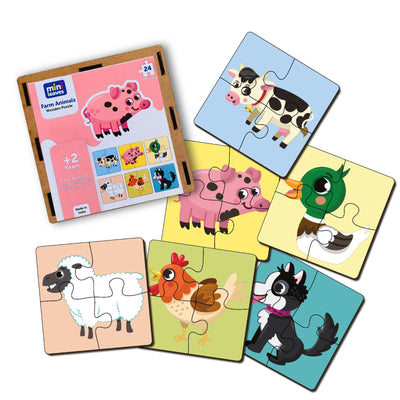
Visual recognition is another crucial step. Use simple puzzles where children match a Kannada vowel shape to an image starting with that sound. Create matching cards with the vowel on one and a corresponding picture on the other, allowing children to pair them up independently.
These games enhance fine motor skills, visual discrimination, and cognitive association, all while reinforcing vowel recognition. SkilloToys offers a variety of activity kits that can be adapted for such engaging Kannada learning games.
Storytelling with Vowel Focus
Read Kannada storybooks aloud, emphasizing the vowel sounds in key words. Pause and ask your child to identify words that start with a particular vowel. Choose stories that resonate with Indian culture and festivals, making the language relevant and exciting.
This integrates literacy into a beloved routine, fostering a love for reading and narrative. It also provides a rich context for vocabulary development and understanding the flow of the Kannada language.
Common Challenges and Encouraging Persistence
Parents often worry about the financial aspect of child enrichment, as highlighted by reports like 'Child enrichment can cost Rs 1 lakh/year.' However, Montessori principles emphasize using readily available materials and everyday interactions, proving that effective early learning doesn't have to be costly. The key is consistent, joyful engagement, not expensive classes.
Remember that every child learns at their own pace. Avoid pressure and comparison, focusing instead on celebrating small milestones. If your child seems disinterested, take a break and reintroduce the activity later, perhaps with a different approach. Your patience and enthusiasm are the most valuable tools in their learning journey.
- Introducing Kannada vowels (ಸ್ವರಗಳು) to preschoolers (3-5 years) significantly boosts early literacy and cultural connection.
- The Montessori method prioritizes hands-on, multi-sensorial activities for effective language acquisition over rote memorization.
- Setting up a simple, prepared home environment with accessible materials supports independent learning for children.
- Activities like sandpaper letters, object boxes, sound games, and puzzles make learning Kannada vowels engaging and concrete.
- Research indicates that early regional language exposure enhances cognitive flexibility and improves school readiness, aligning with NEP 2020 goals.
- Consistent, low-pressure engagement and positive reinforcement are more effective than costly enrichment classes for sustainable learning.