LKG Readiness Activities (3-5 Years): Play-Based Prep
The LKG/Nursery admission season for 2026-27 is a significant milestone for many Indian families, with age criteria often calculated as of March 31st or June 1st. As parents of 3-5 year olds, you’re likely navigating the excitement and perhaps a touch of anxiety about your child's first step into formal schooling. There’s often immense pressure to ensure children are 'school-ready', but the focus should always be on holistic development through joyful learning, not premature academic stress.
LKG readiness activities are essentially fun, engaging experiences designed to equip children aged 3-5 with the foundational skills they need for a smooth transition into kindergarten. This isn't about rote learning or formal lessons; rather, it’s about nurturing their cognitive, social, emotional, and physical development through play. This approach aligns perfectly with the National Education Policy (NEP) 2020, which emphasizes play-based and activity-based learning in the foundational stage, acknowledging that children learn best by doing.
Building Foundational Skills Through Play: Preschool Preparation Games
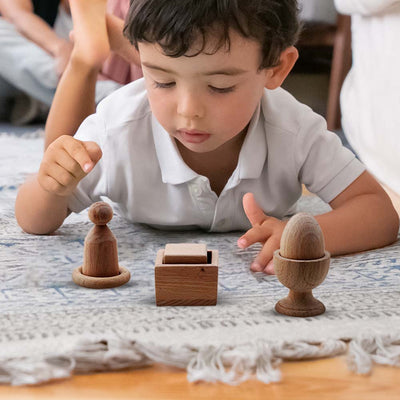
Maria Montessori, a pioneer in early childhood education, firmly believed that children learn best through hands-on exploration and self-directed activity. Incorporating this philosophy into your daily routine can make a world of difference for your child’s preschool preparation. These activities are designed to be simple, using everyday items or readily available educational toys.
Enhancing Fine Motor Skills for Writing
Strong fine motor skills are crucial for tasks like holding a pencil, using scissors, and managing clothes buttons – all essential for school independence.
- Dough Play and Clay Modelling: Encourage your child to roll, pinch, squeeze, and cut playdough or clay. This strengthens their hand muscles and refines finger dexterity, which is vital for developing a proper pencil grip. You can also incorporate Indian traditional practices like making small clay diyas or modaks during festivals.
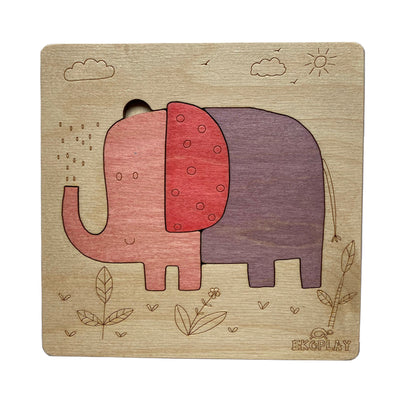
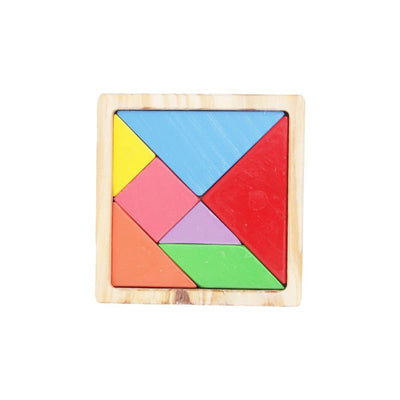
- Bead Stringing and Puzzles: Provide large beads and string, or age-appropriate puzzles, to help children develop hand-eye coordination and spatial reasoning. The concentration required for these activities also builds focus and patience.
- Tearing and Crinkling Paper: Simple paper tearing, followed by crumpling into balls, is an excellent pre-writing exercise. It helps develop the pincer grasp and strengthens fingers.
Boosting Gross Motor Skills & Coordination
Gross motor skills involve the large muscle groups and are important for overall physical development, balance, and coordination, helping children navigate the school environment safely and confidently.
- Indoor Obstacle Courses: Create a simple obstacle course using cushions, chairs, and blankets in your living room or balcony. Encourage your child to crawl under, jump over, and balance on different objects. This not only builds strength and coordination but also helps them follow multi-step instructions.
- Dancing and Free Movement: Put on some energetic music, perhaps some Bollywood tunes or traditional folk songs, and encourage your child to dance freely. This boosts rhythm, balance, and self-expression.
Nurturing Cognitive & Language Development: 3-5 Year Development Activities
A child's ability to communicate, understand instructions, and think critically are cornerstones of school readiness. Engaging in rich verbal interactions and playful cognitive challenges can significantly enhance these areas.
Engaging in Language-Rich Conversations
A strong vocabulary and good communication skills are vital for a child's success in school and social interactions.
- Storytelling and Rhyme Time: Read aloud daily, encouraging your child to predict what happens next or describe the pictures. Reciting nursery rhymes and Indian folk songs helps with phonological awareness and memory.
- 'What's Missing?' Game: Place a few everyday objects (like a spoon, a small toy, a button) on a tray, let your child observe, then cover them and remove one. Ask, 'What's missing?' This sharpens observation skills and descriptive language.
- Descriptive Walks: Even in an urban apartment complex, point out colours, shapes, and textures during a walk. 'Look, a red car!' or 'That building has big, square windows!'
Exploring Early Math Concepts
Early exposure to basic math concepts through play builds a strong foundation for future learning without any pressure.
- Sorting and Categorizing Objects: Ask your child to sort their toys by colour, size, or type. This teaches classification and logical thinking. For example, 'Put all the red blocks together' or 'Group the animals that fly.'
- Counting Everyday Items: Count stairs, chapatis on the plate, or family members. One-to-one correspondence (matching one number to one object) is a key early math skill. Engaging activity kits often include sorting and counting components, making learning fun.
Fostering Social-Emotional Readiness: NEP 2020 Preschool Activities
Beyond academics, a child’s social and emotional maturity is paramount for thriving in a school environment. Learning to share, manage emotions, and be independent are crucial life skills.
Developing Independence & Self-Help Skills
Encourage your child to do things for themselves, building confidence and self-reliance.
- 'My Helper' Chores: Involve them in simple household tasks like putting away their toys, setting the table (with unbreakable items), or helping water plants. Even in a joint family setting or smaller urban apartment, there are always little tasks they can do to feel responsible and capable.
- Dressing and Undressing Practice: Allow them to practice putting on and taking off their own clothes, shoes, and socks. This might take longer initially, but patience now will pay off in school.
Practicing Sharing & Turn-Taking
These skills are fundamental for positive peer interactions in a classroom.
- Board Games with Family: Play simple board games (like Snakes and Ladders or Ludo) where taking turns and following rules are essential. This teaches patience, sportsmanship, and how to wait.
- Sharing Snacks: Encourage sharing a favourite snack with a sibling or a parent, discussing the concept of 'half' or 'equal parts'.
Managing Emotions & Building Resilience
Acknowledging and processing emotions is a vital skill, especially for children managing big personalities at this age.
- Role-Playing School Scenarios: Pretend play about going to school, meeting new friends, or saying goodbye to parents can help alleviate separation anxiety. Discuss different feelings they might experience and how to express them.
- Feelings Chart: Create a simple chart with different facial expressions for emotions (happy, sad, angry, surprised) and encourage your child to point to how they feel. This helps them identify and communicate their emotions better.
Creating a Smooth Transition: Kindergarten Readiness India
A predictable routine and positive anticipation can make the transition to LKG much smoother for both child and parent.
Establishing Routines
Consistency helps children feel secure and understand expectations.
- Pre-School Schedule Practice: Gradually introduce a routine that mimics the school day – waking up at a certain time, having breakfast, getting ready, and engaging in some 'learning' or play activities.
- Bedtime Routine: A consistent bedtime routine ensures adequate rest, which is crucial for a child's attention span and mood during the day.
Visiting the School & Talking About It
Familiarity breeds comfort and excitement.
- School Tour: If possible, visit the school premises together. Point out the playground, classrooms, and washrooms. Talk about the fun activities they will do there.
- Positive Conversations: Keep conversations about school light and positive. Focus on the new friends, interesting stories, and fun games they will experience. Avoid any language that might imply school is a scary or difficult place.
At SkilloToys, we believe in empowering parents with the tools and knowledge to foster holistic development. Our range of Montessori-inspired educational toys is thoughtfully designed to support each of these developmental milestones, making learning an exciting adventure for your little one.
Key Takeaways
- LKG readiness focuses on holistic development through play, aligning with NEP 2020.
- Fine motor skills (e.g., puzzles, dough play) are crucial for pre-writing and self-help.
- Gross motor activities (e.g., obstacle courses) build coordination and confidence.
- Language-rich interactions (e.g., storytelling) boost communication and vocabulary.
- Early math concepts (e.g., sorting, counting) can be taught through everyday play.
- Social-emotional skills (e.g., sharing, independence) are vital for classroom success.
- Establishing routines and positive school conversations ease the transition.
Frequently Asked Questions About LKG Readiness
What is the best way to prepare my child for LKG in India?
The best way is through play-based learning that fosters holistic development, rather than premature academic pressure. Focus on activities that build fine and gross motor skills, language, cognitive abilities, and social-emotional intelligence in a fun, engaging environment.
How important is play for LKG readiness?
Play is paramount for LKG readiness as it is how children naturally learn and develop. It enhances problem-solving skills, creativity, social interaction, and emotional regulation, making the transition to formal schooling much smoother and more enjoyable for the child.
What age is ideal for LKG admission in India?
Generally, children are admitted to LKG (Lower Kindergarten) between 3 and 4 years of age, often calculated as of March 31st or June 1st of the admission year. It's crucial to check specific age criteria set by individual schools and local education boards in your region.
How can SkilloToys help with preschool preparation?
SkilloToys offers a wide range of Montessori-inspired educational toys and activity kits specifically designed to support the developmental milestones of 3-5 year olds. Our products encourage hands-on learning, fine and gross motor skill development, cognitive growth, and social-emotional learning, making LKG preparation enjoyable and effective.
Preparing your child for LKG is an exciting journey that doesn't need to be stressful. By incorporating these play-based activities into your daily routine, you're not just preparing them for school; you're nurturing their innate curiosity, building their confidence, and fostering a lifelong love for learning. Embrace the power of play, and watch your little one confidently step into their new school adventure!