Rural Early Childhood Development India: Nurturing 3-5 Year Olds
Rural early childhood development in India undeniably offers profound insights for nurturing 3-5 year olds, emphasizing a child-led approach deeply rooted in nature, community engagement, and purposeful, simple play. These fundamental elements foster holistic growth, preparing children for formal schooling with strong foundational skills.
Rural early childhood development refers to the unique growth experiences of young children (typically 0-6 years) within non-urban environments, characterized by close community ties, extensive outdoor play, and learning through observation and practical engagement. This matters because it cultivates resilience, independence, and a deep connection to the environment and culture. Indian parents can integrate these principles by fostering natural exploration and community participation in their own homes.
Nature-Based Learning for Kids India: The Unfolding Classroom Outdoors
For children aged 3-5 years, the outdoors serves as an unparalleled classroom, a principle deeply ingrained in rural Indian life. Here, children learn through direct sensory experiences – the feel of mud between their fingers, the scent of wet earth after monsoon, the rustle of leaves, and the vibrant colours of a marigold. Research shows that consistent outdoor play improves cognitive development, problem-solving skills, and reduces stress in young children, making it a critical component of healthy development.
In many Indian homes, even urban ones, parents can easily recreate this rich environment. Encourage your child to help with watering plants in the balcony garden, or visit a local park to observe insects and collect interesting stones. During festivals like Diwali, let them help arrange flowers or paint diyas outdoors, connecting them to cultural traditions through natural elements. Encourage this natural curiosity with our engaging activity kits that bring the wonders of nature indoors or amplify outdoor adventures.
Community-Led Child Development: Strength in the Sangam of Families
The joint family system and close-knit communities, characteristic of rural India, provide a natural ecosystem for comprehensive child development. Children learn empathy, sharing, and responsibility by interacting with siblings, cousins, grandparents, and neighbours. This constant social engagement, from helping Dadi with a simple chore to playing gully cricket with older children, builds strong social-emotional skills that are invaluable for school readiness.
Child development experts agree that children who grow up with strong community bonds exhibit higher levels of social competence and emotional regulation. In urban settings, where community connections might seem less organic, parents can intentionally foster these bonds. Organize regular playdates, participate in apartment complex activities, or celebrate festivals like Holi or Eid with extended family and neighbours. This deliberate effort helps bridge the gap, as highlighted by discussions around "Urban Childhood Matters: Building a Voice for Early Childhood Development in India's Cities," advocating for richer social experiences in metropolitan areas.
Simple Play Ideas for Preschoolers: Creativity Beyond Commercial Toys
Rural children often thrive with minimal, simple toys, leveraging their environment for open-ended play that fuels imagination and problem-solving. A stick becomes a magic wand, stones transform into imaginary characters, and old fabric scraps become costumes for elaborate role-playing scenarios. This approach to play, focusing on creativity and resourcefulness, is immensely beneficial for the cognitive development of 3-5 year olds.
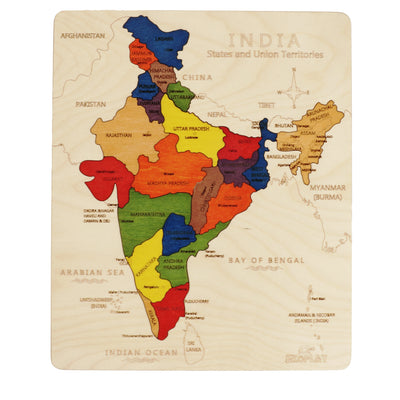
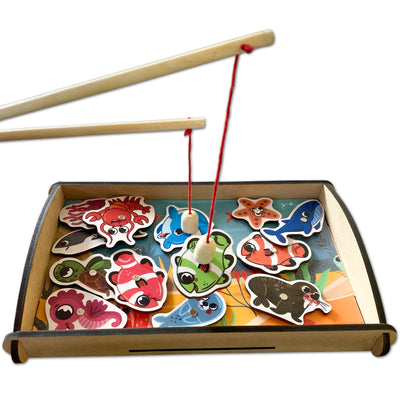
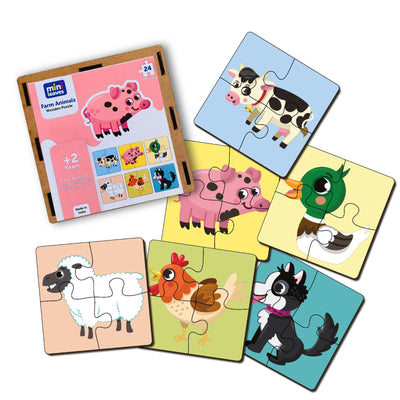
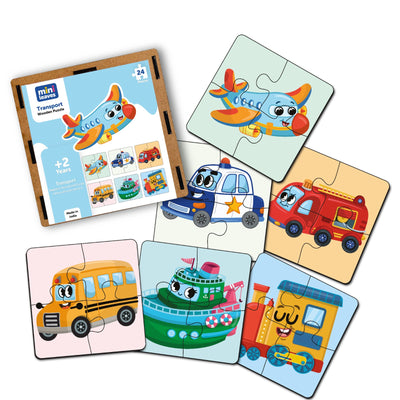
Maria Montessori herself emphasized the importance of a 'prepared environment' with purposeful, often simple, materials that encourage concentration and self-directed learning. Indian parents can adopt this by providing everyday items like kitchen utensils for pretend cooking, empty boxes for building forts, or playdough made from atta for tactile exploration. This fosters ingenuity far beyond the scope of a single-purpose commercial toy. For structured simple play that sparks cognitive growth, explore our range of puzzles, designed to challenge young minds effectively.
Montessori Inspiration from Rural Settings: Purposeful Play and Practical Life Skills
The Montessori philosophy of Practical Life activities finds a direct parallel in the daily routines of rural Indian children. Activities such as helping fetch water, sweeping the floor, peeling vegetables for a meal, or caring for plants are not just chores; they are foundational learning experiences. For 3-5 year olds, these tasks build crucial independence, fine motor skills, concentration, and a profound sense of contribution to the family.
These practical engagements are far more impactful than rote learning for developing self-reliance and coordination. Studies indicate that children who regularly participate in household tasks develop superior executive function skills, including planning and organization. SkilloToys offers a curated selection of Montessori method learning materials that bring this philosophy into your home, fostering purposeful play and self-discovery, much like the rich, experiential learning found in rural settings.
Embracing the wisdom of rural early childhood development offers every Indian parent a powerful framework for nurturing their 3-5 year olds. By intentionally integrating nature-based learning, fostering community connections, prioritizing simple open-ended play, and encouraging practical life skills, you equip your child with resilience, creativity, and independence. These insights are universally applicable, providing a robust foundation that goes beyond traditional school preparation, ensuring a joyful and holistic development journey for your little one. As discussions like "India needs a separate Ministry for Early Childhood Education: Swati Popat Vats" gain traction, the foundational importance of these early years, regardless of urban or rural setting, becomes ever clearer.
- Children engaged in nature-based learning develop superior problem-solving skills and enhanced creativity.
- Strong community bonds in early childhood are directly linked to higher social competence and emotional intelligence.
- Simple, open-ended play fosters imaginative thinking and deep concentration, critical for preschool development.
- Montessori's Practical Life activities, mirrored in rural chores, build independence, coordination, and a sense of responsibility in 3-5 year olds.
- Integrating elements of rural early childhood development, like outdoor exploration and family participation, significantly boosts holistic child development in any Indian setting.
- Studies confirm that children with varied sensory experiences in nature show improved academic readiness and reduced stress levels.
How does rural early childhood development benefit urban children?
Rural early childhood development principles benefit urban children by emphasizing natural exploration, community involvement, and simple, purposeful play. These aspects foster resilience, independence, and strong social-emotional skills, crucial for any child's holistic growth and school readiness.
What are simple nature-based activities for preschoolers in Indian cities?
Simple nature-based activities include gardening in pots on a balcony, exploring local parks, collecting leaves or stones, playing with water, and observing birds. These activities connect children to the natural world, enhancing sensory development and scientific curiosity even in urban settings.
How can busy urban parents foster community in child development?
Urban parents can foster community by organizing playdates with neighbours, involving grandparents in daily routines, participating in apartment complex activities, and celebrating festivals together. These interactions build social bonds and a sense of belonging, mirroring the supportive environment of rural communities.
What is the Montessori connection to rural upbringing?
The Montessori method aligns with rural upbringing through its emphasis on practical life skills, independence, and learning from the natural environment. Children in rural settings often engage in real-world tasks like gardening or helping with chores, directly fostering the concentration and self-reliance that Maria Montessori advocated.
Why is simple, open-ended play important for 3-5 year olds?
Simple, open-ended play is vital for 3-5 year olds because it encourages creativity, problem-solving, and imaginative thinking without prescribed outcomes. Using everyday materials fosters ingenuity and deep concentration, laying essential cognitive foundations for future learning and formal schooling.