Malayalam Alphabets: Fun Ways to Teach Preschoolers (3-5)
Teaching Malayalam alphabets to preschoolers (3-5 years) is most effective through multisensory, play-based learning methods, engaging their natural curiosity. Research shows early regional language exposure significantly boosts cognitive development and strengthens cultural identity. This approach ensures joyful learning and aligns with natural developmental stages, setting a strong foundation.
Teaching Malayalam alphabets to preschoolers involves creating an immersive and interactive environment where letters are encountered through songs, stories, and tactile experiences. This matters because foundational literacy in the mother tongue strengthens overall linguistic abilities and connects children to their heritage. Indian parents can integrate daily activities and dedicated play sessions to introduce and reinforce letter recognition.
Why Early Malayalam Language Learning Matters for Indian Children
In India, linguistic diversity is paramount; learning the mother tongue early holds immense significance. The National Education Policy (NEP) 2020 advocates for regional languages in foundational years, recognizing their role in better learning outcomes. This policy shift addresses the early learning crisis, ensuring children, particularly in rural India, receive culturally relevant education.
Studies indicate children proficient in their mother tongue perform better in other subjects and have stronger problem-solving skills. Learning Malayalam alphabets develops robust cognitive foundations, easing the grasp of other languages like English. This early linguistic advantage fosters a deeper connection to family, local traditions, and Kerala's rich heritage, often nurtured by grandparents through storytelling.
Montessori-Inspired Approaches to Teach Malayalam Alphabets
Maria Montessori's philosophy emphasizes hands-on, self-directed learning, perfectly suited for introducing malayalam alphabets to young children. Instead of rote memorization, children explore letters through touch, sight, and sound. Child development experts agree that multisensory learning, engaging touch, sight, and hearing, significantly enhances early childhood memory and understanding.
The sandpaper letter is a powerful Montessori tool, allowing children to trace each letter's shape, associating tactile sensation with its visual form and sound. You can adapt this for Malayalam by creating your own resources. Introduce vowel sounds first, then consonants, always linking sound directly to the letter's appearance, which helps children build early malayalam spelling skills naturally.
Engaging Malayalam Learning Activities for Preschoolers
Making learning a game is key to engaging preschoolers. Here are fun malayalam learning activities to try: Sing traditional Malayalam rhymes and songs, pointing to words as you sing. Read Malayalam storybooks aloud, especially those depicting local festivals like Onam. Encourage tracing Malayalam letters in sand, salt, or with a finger on rice flour, engaging their senses.
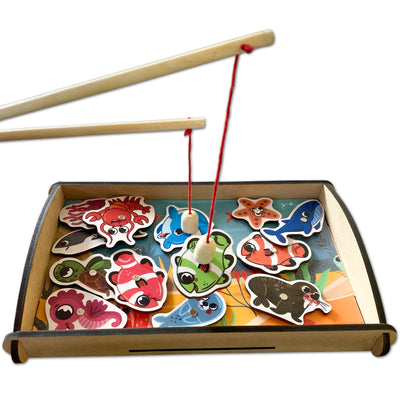
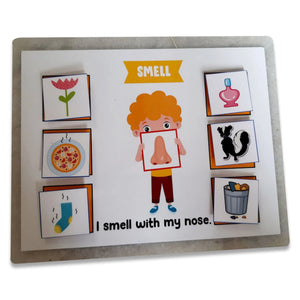
Interactive activity kits offer structured fun, with puzzles and matching games for letter recognition. Create simple matching games using flashcards – one with the Malayalam letter, another with an object starting with that sound. For playful malayalam spelling, use magnetic letters on a fridge or whiteboard to form simple words from their daily vocabulary.
Choosing Malayalam Educational Toys for Effective Learning
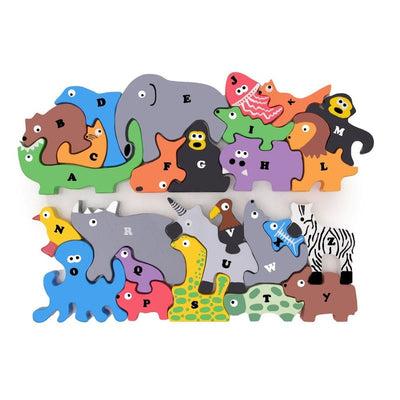
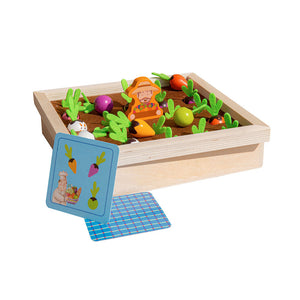
The right malayalam educational toys transform learning into an exciting adventure. Look for wooden letter blocks featuring Malayalam alphabets or sets allowing children to assemble words. Montessori-inspired Montessori materials, such as movable alphabets adapted for Malayalam, empower children to build words and explore language independently.
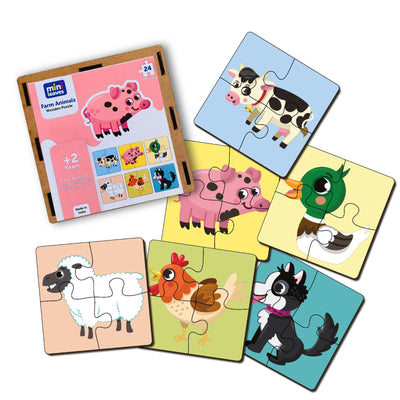
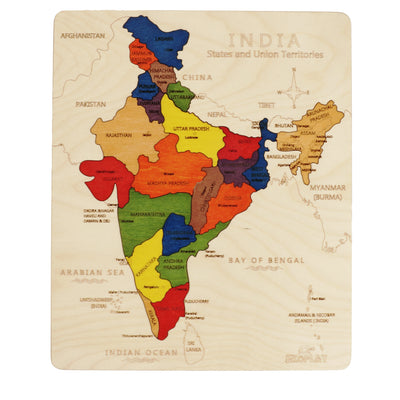
Beyond traditional blocks, consider puzzles that combine letters with familiar objects or scenes from Kerala culture. SkilloToys offers puzzles developing fine motor skills and cognitive abilities, easily adapted for language learning. Opt for open-ended toys encouraging imaginative play, like a pretend grocery store where children label items in Malayalam, reinforcing vocabulary.
Tips for Parents: Creating a Language-Rich Home Environment
Creating an immersive Malayalam environment at home is paramount for effective language acquisition. Engage your child in daily conversations using Malayalam, even if for certain activities or times of the day. Read Malayalam storybooks regularly. Many Indian households, especially joint families, offer a rich linguistic environment, naturally exposing children to their mother tongue.
Involve grandparents; their stories, traditional songs, and cultural anecdotes in Malayalam are invaluable for linguistic and cultural immersion. While school readiness in Bengaluru often involves English, prioritizing the mother tongue alongside it enriches a child's overall linguistic foundation. Remember to be patient and offer positive reinforcement, celebrating every small milestone in their Malayalam learning journey, making it a joyful shared experience.
- Early exposure to Malayalam alphabets from ages 3-5 significantly boosts cognitive development and cultural connection.
- Multisensory, play-based learning methods, inspired by Montessori principles, are the most effective for teaching preschoolers.
- Engaging activities such as songs, stories, tracing, and interactive activity kits make learning Malayalam fun and memorable.
- Selecting appropriate educational toys, including puzzles and letter blocks, enhances hands-on learning.
- A language-rich home environment, supported by family and traditional storytelling, is crucial for fostering early literacy.
- NEP 2020 emphasizes the importance of mother tongue education in foundational years for holistic child development in India.
When is the best age to start teaching Malayalam alphabets?
Experts recommend introducing Malayalam alphabets from 3-4 years, coinciding with a child's natural language acquisition window. At this age, children are highly receptive to new sounds and symbols, making foundational learning engaging and effective.
How can I make learning Malayalam alphabets fun for my child?
Make learning fun by integrating Malayalam alphabets into daily play through songs, stories, tracing activities, and interactive activity kits. Using tactile materials like sandpaper letters or playdough to form letters can also create a joyful, memorable experience.
Are there specific Montessori materials for Malayalam alphabets?
While specific Montessori materials like sandpaper letters are available for many languages, you can adapt general Montessori language materials by creating Malayalam letter cards or using movable alphabets. Focus on the Montessori principles of hands-on, self-directed exploration.
How often should I practice Malayalam alphabets with my preschooler?
Consistent, short, and engaging practice sessions daily are more effective than infrequent long ones. Aim for 10-15 minutes of playful interaction with Malayalam alphabets each day, ensuring the child remains interested and not overwhelmed.
My child is already learning English; will Malayalam confuse them?
No, research indicates that learning multiple languages, including Malayalam alongside English, enhances cognitive flexibility and problem-solving skills. Children's brains are incredibly adept at distinguishing between languages, fostering richer linguistic development.