Malayalam for Preschoolers: Fun Learning (3-5 Years)
Engaging preschoolers (3-5 years) with the malyalam language effectively transforms learning into an enjoyable adventure through playful activities, interactive storytelling, and culturally rich educational toys. Research shows that early exposure to regional languages like Malayalam fosters cognitive flexibility and strengthens cultural identity within the Indian context.
This comprehensive guide offers practical, activity-rich methods for parents in Bengaluru and across India to make Malayalam learning a natural and exciting part of their child's development journey, preparing them for school and beyond.
How to Teach Malayalam to Preschoolers (3-5 Years)
Teaching Malayalam to preschoolers (3-5 years) is the process of introducing the regional language through interactive, age-appropriate methods that capitalize on a child's natural play-based learning. This matters because it builds foundational linguistic skills and cultural connection, which strengthens a child's identity. Indian parents can integrate simple words, songs, and stories into their daily lives.
Benefits of Early Malayalam Learning for Kids
Child development experts agree that introducing a second or third language during the early childhood period significantly enhances cognitive development. Learning Malayalam from a young age helps children develop stronger problem-solving skills, improves their ability to multitask, and even boosts creativity, setting a robust foundation for future academic success.
Beyond cognitive advantages, early Malayalam exposure strengthens a child's connection to their cultural heritage and family roots. In many Indian homes, particularly joint families, grandparents and other elders play a pivotal role in transmitting cultural values and language. This early immersion ensures children can communicate fluently with their extended family, participate in festivals, and understand local traditions, countering the risk of a 'learning crisis' identified in early childhood education discussions.
Engaging Malayalam Learning Activities at Home
Making language acquisition fun is paramount for preschoolers. Instead of rigid lessons, weave Malayalam into everyday routines and play. This approach resonates with the Montessori philosophy, where learning is child-led and experiential.
Storytelling & Rhymes
Narrate simple Malayalam stories, focusing on repetition and expressive voices. Classic Indian folk tales or stories about local Bengaluru life can be particularly engaging. Introduce catchy Malayalam rhymes and songs; singing together is a fantastic way to learn new words and their pronunciations effortlessly. This method naturally enhances auditory processing and memory skills.
Everyday Conversations
Integrate Malayalam into daily interactions. Use simple phrases for common activities like eating, bathing, or playing. For instance, say "നല്ലത്" (nallathu - good) when they finish a task or "വെള്ളം വേണോ?" (vellam veno? - do you want water?). Consistent exposure, even to a few words daily, builds a solid vocabulary over time.
Choosing Malayalam Educational Toys
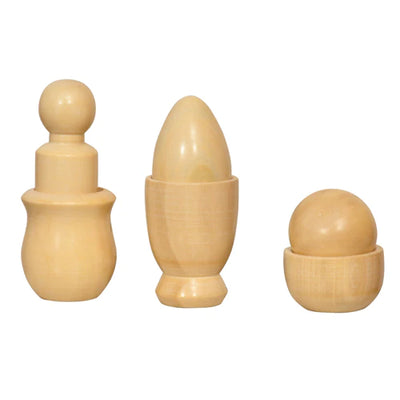
Selecting the right educational toys can significantly enhance the Malayalam learning journey. Montessori-inspired Montessori educational toys are designed to be hands-on and self-correcting, making them ideal for language acquisition. Look for materials that allow children to explore language in a tactile way.
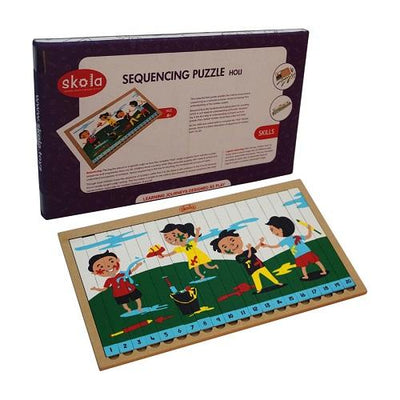
Consider puzzles featuring Malayalam alphabets or common objects with their Malayalam names. Picture cards (flashcards) with vibrant illustrations of animals, fruits, and everyday items, labeled in Malayalam, are excellent for vocabulary building. SkilloToys offers a range of activity kits specifically designed to foster language development through engaging play.
Creating a Language-Rich Environment to Learn Malayalam
Consistency is key when aiming to help preschoolers learn Malayalam effectively. Label household items with their Malayalam names using visual aids. Create a small 'Malayalam corner' with books, toys, and flashcards where your child can explore the language independently. This dedicated space reinforces the idea that Malayalam is a valuable and enjoyable part of their world.
Remember, the goal is not perfection but exposure and enthusiasm. Celebrate every small victory – a new word learned, a phrase understood. Experts indicate that children exposed to multiple languages before age five demonstrate greater empathy and cultural awareness, vital traits in our diverse society. As parents, fostering this linguistic foundation at home is a powerful way to provide a quality early childhood education, addressing concerns about foundational learning.
What is the best age to introduce Malayalam to a child?
The ideal age to introduce Malayalam to a child is during their preschool years, typically between 3 and 5, when their brains are highly adaptable to language acquisition. Early exposure leverages their natural capacity for learning and forms a strong linguistic foundation.
How can I make learning Malayalam fun and not feel like a chore?
Making Malayalam learning fun involves integrating it into daily play and routines rather than formal lessons. Utilize songs, stories, interactive games, and conversations to create an enjoyable, low-pressure environment where the child naturally absorbs the language.
Are there specific Montessori toys that help with Malayalam learning?
Montessori-inspired educational toys like language puzzles, picture cards depicting local scenes, and alphabet tracing boards can significantly aid Malayalam learning. These materials provide hands-on, multi-sensory experiences that reinforce vocabulary and letter recognition in a child-led manner.
How important is parental involvement in a child's regional language development?
Parental involvement is crucial for a child's regional language development, as parents are their child's first and most influential teachers. Consistent exposure, encouragement, and participation in language activities at home create a rich linguistic environment that formal schooling alone cannot replicate.
What if I, as a parent, am not fluent in Malayalam myself?
Even if you're not fluent, you can still support your child's Malayalam learning by learning alongside them, using resources like children's books and apps, and encouraging interactions with fluent family members like grandparents. The key is creating an environment where learning and valuing the language is a shared family experience.
- Early exposure to Malayalam (3-5 years) enhances cognitive flexibility and cultural identity.
- Integrating Malayalam into daily activities through songs, stories, and conversations makes learning fun and effective.
- Montessori-inspired educational toys like language puzzles and activity kits significantly aid tactile language acquisition.
- Consistent parental involvement and creating a language-rich home environment are crucial for fostering regional language development.
- Learning Malayalam helps preschoolers connect with their heritage and prepare for a diverse academic and social future.
- Research indicates that early bilingualism supports stronger problem-solving skills and creativity in children.