Managing Preschooler Emotions: A Parent's Guide
As the academic year approaches for many Indian schools, parents often find themselves navigating a unique phase: their preschooler's big feelings. Children between 3 and 5 years old are experiencing rapid growth, not just physically but emotionally and socially too. Learning effective strategies for managing preschooler emotions is key to fostering a supportive environment at home and preparing them for the social demands of school life.
What is managing preschooler emotions? Managing preschooler emotions involves guiding young children through intense feelings like anger, frustration, and sadness without shaming or dismissing them. This works because it helps children develop self-awareness and coping mechanisms essential for their overall well-being. Parents can learn to validate their child's feelings while gently setting healthy boundaries, turning challenging moments into valuable learning opportunities.
Understanding Big Feelings in Preschoolers
Preschoolers are like tiny scientists, exploring the world with immense curiosity but with limited tools to express their inner turmoil. Their brains are still developing, especially the prefrontal cortex responsible for impulse control and logical thinking. This means intense emotions can bubble up quickly, overwhelming their ability to communicate effectively, leading to what often feels like an unexpected outburst.
In the Montessori philosophy, Dr. Maria Montessori observed that children between 3 and 6 years old are in a sensitive period for order and social development. This period highlights their innate desire to understand the world around them and how they fit within it. Recognising this sensitivity helps parents approach emotional challenges with patience and an understanding of their child's developmental stage, aiding their overall preschool social development.
Practical Strategies for Managing Preschooler Emotions
Dealing with a preschooler's strong emotions can feel overwhelming, especially amidst the daily hustle of Indian urban life or within the dynamics of a joint family. The good news is that with consistent, loving guidance, you can equip your child with essential emotional regulation skills.
Decoding Toddler Tantrums: Solutions for Indian Homes
Tantrums are a normal part of preschooler development, often a cry for help when a child feels overwhelmed, tired, hungry, or misunderstood. In an Indian home, triggers can range from overstimulation during a big family festival to a disruption in routine due to guests or travel. Providing toddler tantrums solutions India parents can relate to involves understanding these specific contexts.
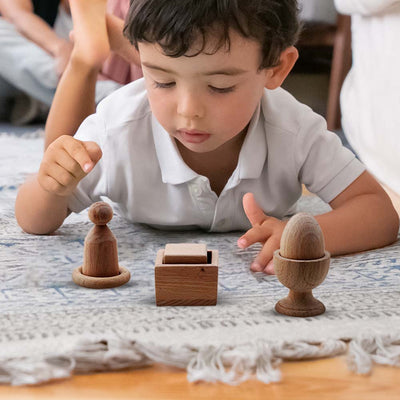
Proactive prevention is often the best strategy. Ensure your child has regular nap times and meals, especially during busy family gatherings. Create a calm space in your home, even a small corner in an apartment, where they can retreat when feeling overstimulated. Engaging them with focused activities like building blocks or educational activity kits can also provide a healthy outlet for energy and frustration, redirecting potential meltdowns.
Fostering Emotional Regulation in 3-5 Years
Teaching emotional regulation is about helping children identify their feelings and learn constructive ways to respond to them. For emotional regulation 3-5 years old children, this starts with simple steps. Help your child name their emotions – "Are you feeling angry because your friend took your toy?" instead of "Don't be angry!".
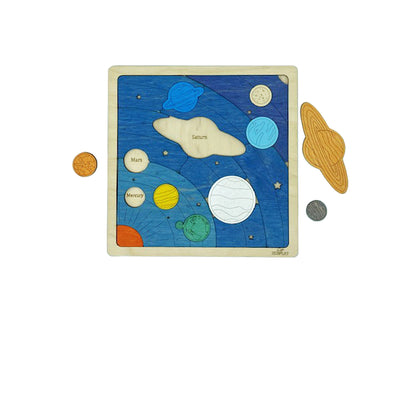
Introduce simple calm-down techniques, like "smell the flower, blow out the candle" breathing. A "peace corner" or a designated quiet space with comforting items, much like Montessori's concept, can be invaluable. This can include soft cushions, favourite books, or engaging puzzles that encourage quiet concentration, helping them find their calm independently.
Handling Preschooler Meltdowns: A Step-by-Step Guide
When a full-blown meltdown occurs, it can feel like a storm has hit your home. The key to preschooler meltdowns help is to remain calm yourself. During the meltdown, get down to their eye level, acknowledge their feelings ("I see you're very upset right now"), and offer comfort without giving in to unreasonable demands. Remember, their logical brain has temporarily shut down.
Once the storm passes and they begin to calm down, offer a warm hug and reconnect. Later, when everyone is calm, you can gently discuss what happened, what triggered the outburst, and what they could do differently next time. This post-meltdown debrief is crucial for learning and reinforces your consistent support.
Building Strong Preschool Social Development
Social skills are fundamental for school readiness and successful interactions. Encourage imaginative play, where children can experiment with different roles and scenarios, understanding perspectives beyond their own. Role-playing scenarios, like "What do you do if your friend doesn't share?" using dolls or puppets, can be incredibly insightful.
Exposure to diverse social situations, whether with extended family during festivals or in playdates at the park, also builds resilience. Read stories that highlight emotions and problem-solving, like Indian fables that teach kindness and empathy. These experiences are vital for nurturing well-rounded individuals ready for the classroom environment.
Encouraging Communication and Connection
Open communication is the bedrock of emotional understanding. Practice active listening, giving your child your full attention when they speak, even if it's about something seemingly trivial. This teaches them that their voice matters and encourages them to share their feelings.
Use "I" statements when expressing your own feelings, modelling healthy emotional expression. For example, "I feel frustrated when toys are not put away." Regularly engaging in shared activities, like cooking together, tending to a small balcony garden, or simply sharing stories before bed, strengthens your bond and creates a safe space for emotional expression.
Key Takeaways
- Acknowledge and validate your preschooler's big feelings without judgment.
- Proactively manage the environment to reduce triggers for tantrums, especially in busy Indian settings.
- Teach simple emotional regulation techniques like naming feelings and deep breathing.
- Stay calm and consistent during meltdowns, offering comfort and reconnecting afterward.
- Foster social development through imaginative play, stories, and real-world interactions.
Frequently Asked Questions
How can I prevent common toddler tantrums in an Indian setting?
Prevention often involves anticipating common triggers like overstimulation from family gatherings or changes in routine. Ensure adequate rest, regular meals, and offer engaging distractions like a SkilloToys activity kit. Creating a consistent schedule and a designated "calm space" at home can also significantly help.
What are effective ways to teach emotional regulation to my 3-5 year old?
Start by helping your child identify and name their feelings using simple language. Teach them basic calming strategies like deep breaths ("bunny breaths"). Role-play emotional scenarios and use educational toys, such as puzzles, to help them focus and develop self-control, laying groundwork for emotional maturity.
When should I seek professional help for my preschooler's emotions?
While big feelings are normal, consider seeking professional advice if tantrums are extremely frequent, prolonged, or violent, if your child is consistently withdrawn, or if their emotional outbursts interfere significantly with daily life or their ability to learn and play. A paediatrician or child psychologist can offer guidance.
How do educational toys from SkilloToys help with emotional development?
SkilloToys' Montessori-inspired educational toys are designed to promote focus, problem-solving, and independent play, all of which contribute to emotional regulation. Toys like puzzles or activity kits can provide a constructive outlet for frustration, encourage perseverance, and offer a calming activity for children to process their feelings in a positive way.
Managing preschooler emotions is a journey of patience, understanding, and consistent effort. By adopting these strategies, Indian parents can not only navigate the challenging moments but also empower their children with the emotional intelligence needed to thrive in school and beyond. Remember, every big feeling is an opportunity to connect and teach, building a foundation for a resilient and emotionally secure child.