Montessori Learning Toys for 3-5 Year Olds: Independence & Skills
Montessori learning toys for 3-5 year olds are specifically designed tools that empower young children to develop self-reliance and essential life skills through hands-on exploration and discovery. Child development experts agree that these age-appropriate materials foster concentration, coordination, and practical independence, preparing children for formal schooling and building a strong foundation for future learning within the Indian home environment.
As parents in bustling Indian cities like Bengaluru, navigating the developmental milestones of preschoolers while preparing them for school can feel like a marathon. The emphasis on early childhood development in India is growing, with initiatives like 'Urban Childhood Matters' highlighting the need for quality learning experiences. Choosing purposeful educational tools becomes crucial.
What is Montessori Learning?
Montessori learning is an educational approach developed by Dr. Maria Montessori, focusing on child-led activity, hands-on learning, and collaborative play within a prepared environment. This method matters immensely because it cultivates a child's natural curiosity and innate desire to learn, leading to greater self-confidence and problem-solving abilities. Indian parents can integrate these principles at home by providing engaging, purposeful toys that allow children to explore freely.
Why Montessori Learning Toys are Essential for 3-5 Year Olds
For children aged 3 to 5, a critical period of brain development unfolds, marked by immense curiosity and a burgeoning sense of self. Research shows that structured, purposeful play during these years significantly impacts cognitive, social, and emotional growth. Montessori educational toys India Montessori are specifically crafted to tap into this innate drive, providing concrete experiences that lay the groundwork for abstract thought.
These specialized tools go beyond mere entertainment; they are 'work' designed for a child's developmental stage. Unlike conventional toys, Montessori materials often have a single focus and are self-correcting, meaning the child can identify and rectify their own errors. This empowers them to learn without constant adult intervention, building confidence and fostering an intrinsic love for discovery.
Fostering Independence with Montessori Independence Activities
Independence is a cornerstone of the Montessori philosophy, and for 3-5 year olds, this translates into a powerful sense of 'I can do it myself.' Montessori independence activities are not just about doing tasks alone; they are about developing internal discipline, problem-solving skills, and self-efficacy. Practical life materials, for instance, teach children everyday skills like pouring, scooping, dressing, and buttoning.
These activities are invaluable in the Indian household, where children often observe elders performing daily chores. By engaging with these specific Montessori Method Learning Materials, children learn to contribute meaningfully, whether it's helping grandparents sort pulses or tidying up their own play area. Studies indicate that children engaged in practical life activities demonstrate improved concentration and a greater sense of responsibility, preparing them for the routines of formal school life.
Developing Key Skills with Learning Toys for Preschoolers
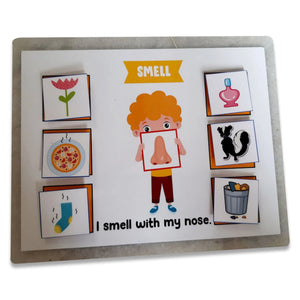
Beyond independence, Montessori learning toys for preschoolers are masterfully designed to develop a wide array of cognitive and motor skills. Sensory materials, for example, refine the five senses, preparing the child for more complex academic work. The Pink Tower teaches concepts of size and sequence, while sandpaper letters introduce tactile learning of alphabets, crucial for literacy development.
Fine motor skills, essential for writing and drawing, are honed through activities involving manipulating small objects, using tongs, or engaging with various puzzles. These experiences build dexterity and hand-eye coordination. Furthermore, these skill development toys for 3-5 year olds also promote language acquisition through precise vocabulary and social skills through collaborative play, which is particularly beneficial in diverse family settings.
Choosing the Right Montessori Learning Toys for Your Child
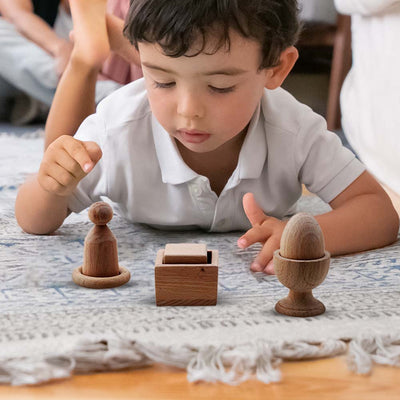
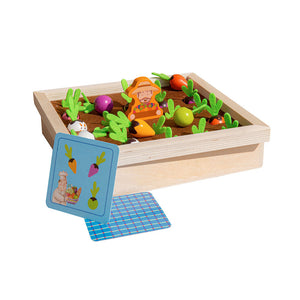
When selecting kids learning toys, consider the child's current interests and developmental stage. Montessori materials are typically made from natural materials like wood, free from flashing lights or electronic distractions, encouraging deeper engagement. Look for toys that isolate a single concept, allowing the child to focus and master one skill at a time.
For a 3-year-old, practical life activities and simple sensory materials are ideal. As they approach 4 and 5, introduce materials that foster early literacy and numeracy, such as number rods or matching games. High-quality activity kits can also provide structured, engaging Montessori-aligned experiences right at home, supporting their growth towards school readiness.
Integrating Montessori Principles into the Indian Home
Incorporating Montessori at home doesn't require a dedicated classroom; it's about creating an environment that respects the child as an independent learner. This means providing accessible, organized spaces for their learning toys and involving them in age-appropriate household tasks, like watering plants or setting the table.
Even with the pressures of academic excellence in India, fostering a love for learning through exploration is paramount. Encourage grandparents and other family members to participate, observing and supporting the child's self-directed play. This collaborative home environment reinforces the child's sense of belonging and competence, a critical factor for their holistic development, especially as discussions around Early Childhood Care and Education (ECCE) gain momentum across the nation.
- Montessori learning toys for 3-5 year olds specifically target critical developmental milestones.
- These materials are designed to be self-correcting, fostering independence and problem-solving skills.
- Practical life activities within Montessori enhance fine motor skills and a sense of responsibility.
- Sensory and academic Montessori tools prepare children for literacy and numeracy in a concrete way.
- Integrating Montessori principles at home involves creating a 'prepared environment' and valuing child-led exploration.
- Choosing natural, purposeful Montessori toys supports deeper engagement and concentration, crucial for school readiness.
What is the best age to introduce Montessori toys?
The ideal age to introduce Montessori toys is generally from birth, starting with simple sensory materials. For structured Montessori learning toys, the 18-24 months to 6 years age range is most beneficial, aligning with specific developmental planes.
How do Montessori toys promote independence in children?
Montessori toys promote independence by being self-correcting and allowing children to work autonomously. These materials are designed for individual exploration, empowering children to choose tasks, solve problems, and achieve mastery without constant adult intervention.
Are Montessori toys suitable for joint family settings in India?
Yes, Montessori toys are highly suitable for joint family settings. They encourage focused individual play, yet their collaborative nature can also foster healthy interaction among siblings and cousins, respecting each child's pace and choices while learning alongside family members.
How can I integrate Montessori principles at home without a formal setup?
You can integrate Montessori principles by creating a 'prepared environment' at home: child-sized furniture, accessible materials, and designated activity areas. Focus on practical life skills like pouring or dressing, and offer open-ended, purposeful learning toys for preschoolers that encourage exploration.
Do Montessori toys help with school readiness in India?
Yes, Montessori learning toys for 3-5 year olds significantly aid in school readiness. They develop concentration, fine motor skills, problem-solving, and a love for learning, which are foundational for success in both traditional Indian school systems and beyond.