Montessori Malayalam: Language for Preschoolers (3-5 Years)
To effectively introduce Montessori Malayalam to preschoolers aged 3-5 years, a structured, sensory-rich environment is essential, aligning with Dr. Maria Montessori's principles of self-directed learning. Research shows that integrating a child's native language into early education through hands-on activities significantly enhances cognitive development and cultural identity. Parents in India can create this stimulating environment at home by leveraging everyday interactions and purposeful materials.
Preparing your little one for school, especially amidst the vibrant linguistic diversity of India, can feel like a grand mission. As your 3-5 year old's personality blossoms, so does their capacity for language. Embracing Montessori-inspired approaches offers a joyful and effective pathway to teaching Malayalam, fostering a deep love for their heritage language right from home in Bengaluru or across India.
What is Montessori Malayalam?
Montessori Malayalam applies Maria Montessori's educational philosophy to teaching the Malayalam language to young children. It emphasizes hands-on exploration, sensory learning, and a prepared environment to naturally absorb language. This matters because it fosters intrinsic motivation and a deep understanding, rather than rote memorization, setting a strong foundation for future learning. Indian parents can implement this by providing accessible, engaging Malayalam-focused activities.
Why Early Malayalam Immersion Matters for Indian Preschoolers
Early language development in India is a cornerstone of a child's educational journey and cultural identity. Studies consistently show that children exposed to multiple languages from an early age demonstrate enhanced problem-solving skills and cognitive flexibility. For 3-5 year olds, a strong foundation in their native language, like Malayalam, significantly impacts their overall literacy and academic success.
Reports like 'Failing at the Foundation: Why India’s Learning Crisis Begins in Early Childhood' by the Centre for Public Policy Research (CPPR) highlight the critical need for robust early childhood education, including native language development, to prevent foundational learning gaps. By making Malayalam learning engaging and accessible through Montessori methods, parents can ensure their child is not just ready for school but also deeply connected to their cultural roots. This approach empowers children to confidently express themselves, whether conversing with grandparents in a joint family setting or articulating their thoughts to peers.
Core Montessori Principles Guiding Language Acquisition
Maria Montessori observed that children from birth to age six are in a 'sensitive period' for language, meaning they have an extraordinary capacity to absorb language effortlessly from their environment. Her method capitalizes on this natural drive, providing children with concrete materials that allow them to explore language sounds, shapes, and meanings through their senses. This self-directed learning fosters independence and a genuine curiosity about words.
Child development experts agree that a prepared environment, rich in language stimuli, is key. This means offering materials that are accessible, orderly, and beautiful, inviting the child to engage. For teaching Malayalam to 3-5 year olds, this translates into having Malayalam books, visual aids, and specific learning tools readily available, allowing the child to choose what they want to explore and at their own pace.
Engaging Montessori-Inspired Malayalam Activities for Home
Introducing Montessori language activities at home can be simple and profoundly effective for teaching Malayalam to 3-5 years olds. These activities focus on sensory engagement and repetition, building a strong linguistic foundation without pressure.
The Power of Malayalam Sandpaper Letters
Sandpaper letters are a classic Montessori material that introduces letter shapes and sounds in a multi-sensory way. For Malayalam, create or procure sandpaper letters for each alphabet, allowing your child to trace the 'അ' or 'ക' with their finger while you clearly pronounce the sound. This kinesthetic experience helps solidify the connection between the visual symbol and its phonetic sound, an essential step in early literacy. You can find similar tactile learning aids in our puzzles collection, which can be adapted for language learning.
Nurturing Language Through Stories and Songs
Storytelling and singing Malayalam rhymes are invaluable for vocabulary acquisition and developing an ear for the language's rhythm. Grandparents often excel at sharing traditional tales, enriching the child's cultural and linguistic understanding. Use puppets or simple props from activityKits to bring stories to life, encouraging your child to participate by repeating words or acting out scenes. This natural, joyful immersion makes learning feel like play, not work.
Everyday Practical Life with Malayalam Vocabulary
Montessori practical life activities are central to integrating language into daily routines. Involve your child in simple chores like sorting clothes, preparing snacks, or watering plants, consistently naming objects and actions in Malayalam. For instance, say “ഇത് വെള്ളം (ivathu vellam – this is water)” while pouring, or “പൂവ് (poovu – flower)” while gardening. These real-world contexts provide meaningful associations for new vocabulary, making language acquisition organic and relevant.
Building Vocabulary with Object Boxes and Picture Cards
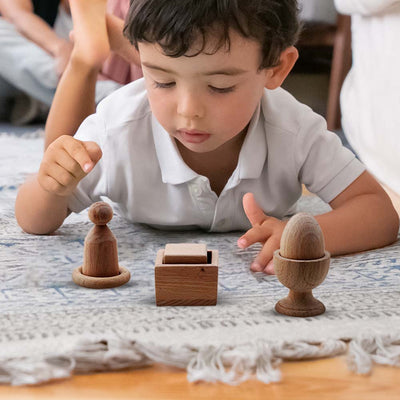
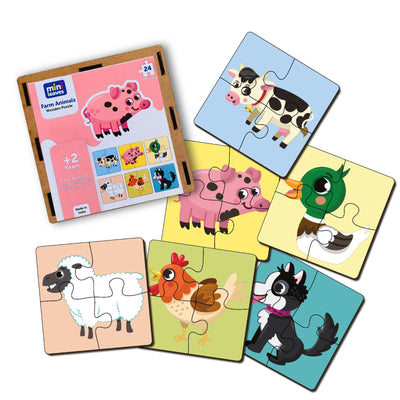
Create 'object boxes' or picture card sets featuring items familiar to your child, labeled clearly in Malayalam. Start with common household objects like a 'പന്ത്' (panthu - ball) or 'പുസ്തകം' (pustakam - book). Present three items, name them in Malayalam, and then ask your child to identify them. As their vocabulary grows, introduce more complex sets. This systematic approach, found in many of our Montessori Method Learning Materials & Toys, is highly effective for vocabulary expansion.
Selecting Effective Malayalam Educational Toys
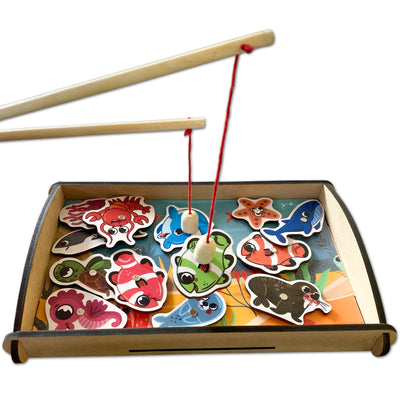
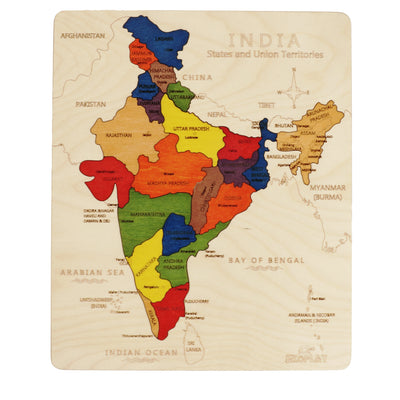
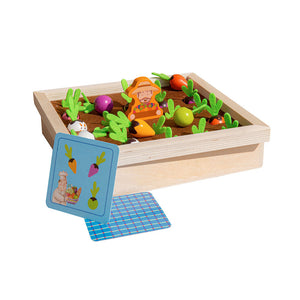
Choosing the right Malayalam educational toys is crucial for supporting your child's language journey without overwhelming them. Look for toys that encourage active engagement, allow for repetition, and can be adapted to various learning stages. Wooden Malayalam alphabet puzzles, matching games with pictures and words, and storytelling card sets are excellent choices.
When selecting toys, consider their open-ended nature. For example, simple blocks can become a tool for building 'വീട്' (veedu - house) or 'വണ്ടി' (vandi - vehicle), allowing you to introduce and reinforce Malayalam vocabulary organically. Ensuring these materials are safe, durable, and aesthetically pleasing invites the child to engage and fosters a sense of respect for their learning tools. This thoughtful selection is paramount, especially when foundational learning is critical for addressing challenges highlighted by organizations studying early childhood education in India.
- Early immersion in Montessori Malayalam boosts cognitive development and cultural identity in preschoolers.
- Hands-on, sensory materials like sandpaper letters are crucial for intuitive language acquisition in 3-5 year olds.
- Integrating practical life activities offers natural opportunities for consistent Malayalam vocabulary reinforcement.
- Maria Montessori's approach emphasizes self-directed learning, fostering intrinsic motivation for deep language understanding.
- Parental involvement, especially through storytelling and consistent native language use, significantly impacts a child's language journey.
- Choosing appropriate, open-ended educational toys supports effective Malayalam learning and foundational literacy for young children.
Why is Montessori Malayalam effective for preschoolers?
Montessori Malayalam is effective because it aligns with a child's natural sensitive period for language acquisition (0-6 years), offering concrete, sensory experiences that make learning intuitive and engaging. This method respects the child's pace and fosters a deep, intrinsic motivation to understand and use the language.
How can I introduce Malayalam sandpaper letters at home?
Introduce Malayalam sandpaper letters by allowing your child to trace the letter with their finger while you pronounce its sound clearly. Focus on one or two letters at a time, ensuring they grasp the sound and shape before moving on, making it a multi-sensory experience.
What role do grandparents play in teaching Malayalam using this method?
Grandparents play an invaluable role by naturally speaking Malayalam with children, sharing traditional stories, and singing folk songs, providing rich authentic language exposure. Their consistent use of the language within a loving, familiar environment reinforces vocabulary and cultural connection in a way that complements formal activities.
Are there specific toys that support Montessori Malayalam learning?
Yes, toys like wooden alphabet puzzles, object boxes with Malayalam labels, picture cards, and sorting games that can be labeled in Malayalam are excellent. These tools promote hands-on engagement, help build vocabulary, and reinforce letter recognition and sound association in a playful manner.
How often should we engage in Montessori Malayalam activities?
Regular, short, and focused sessions are more effective than infrequent long ones. Aim for 10-15 minutes daily or a few times a week, integrating Malayalam naturally into daily routines and play. Consistency helps consolidate learning and makes language acquisition a natural part of your child's life.