NEP 2020 Early Learning Revolution: A Parent's Guide
The NEP 2020 early learning revolution is profoundly reshaping early childhood education across India, offering a transformative approach to how our youngest learners develop. This policy shift prioritizes holistic growth, moving away from rote learning towards a child-centric, play-based methodology. For parents in Bengaluru and across the nation, understanding these changes is crucial for supporting your child's foundational years.
The National Education Policy (NEP) 2020 defines a comprehensive framework for India's education system, with a significant focus on strengthening Early Childhood Care and Education (ECCE). This matters because research shows that 90% of a child's brain development occurs by age five, making these years pivotal for lifelong learning and well-being. Indian parents can proactively engage with these new principles to ensure their preschoolers thrive in a system designed for their optimal development.
What is the NEP 2020 Early Learning Revolution?
The NEP 2020 early learning revolution is India's bold step towards reimagining foundational education, emphasizing accessible and equitable Early Childhood Care and Education (ECCE) for all children from age 3 to 6. Child development experts agree that this policy aims to foster a strong foundation in literacy and numeracy, alongside crucial social, emotional, and cognitive skills.
This policy fundamentally shifts the focus from early academic pressure to joyful learning, promoting a holistic approach that recognizes each child's unique pace and potential. It’s a call to create enriching environments, both at school and home, that nurture curiosity and a love for learning, rather than merely focusing on memorization.
Foundational Learning NEP 2020: The New Pillars of Preschool Education
Under NEP 2020, foundational learning is not just about reading and writing, but about developing a deep understanding through engaging experiences. This stage, from ages 3-8, is known as the 'Foundational Stage' and stresses the importance of a flexible, multi-faceted, multi-level, play-based, activity-based, and discovery-based approach to learning. This ensures children develop foundational literacy and numeracy (FLN) skills in a joyful manner.
The policy outlines key developmental domains including physical and motor development, cognitive development, socio-emotional-ethical development, cultural/artistic development, and the development of communication and early language, literacy, and numeracy. This comprehensive outlook prepares children for future academic challenges while respecting their natural learning processes.
Play-Based Learning India NEP Emphasizes
One of the most exciting aspects for Indian parents is the strong emphasis on play-based learning India NEP promotes for early years. This approach recognizes that play is not just fun, but a powerful tool for cognitive, social, and emotional development in 3-5 year olds. Through play, children naturally explore, experiment, problem-solve, and interact with their peers and environment.
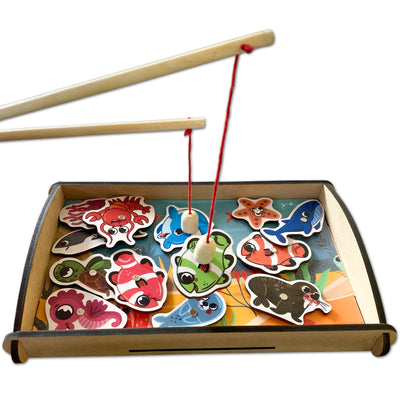
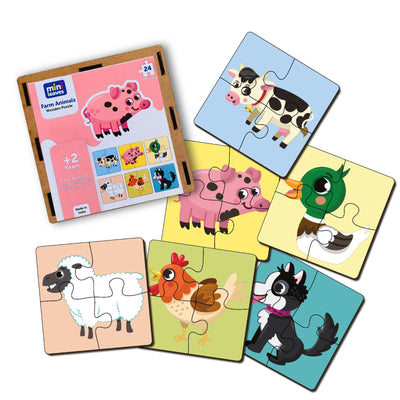
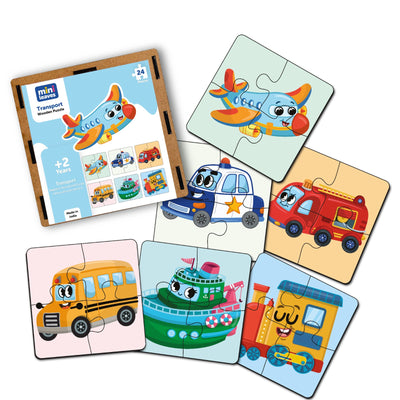
Studies indicate that children engaged in structured play activities demonstrate superior language skills, creativity, and critical thinking. Incorporating engaging puzzles and construction toys, for example, helps children develop spatial reasoning and fine motor skills vital for later writing and mathematical concepts.
Montessori NEP 2020 Alignment: A Perfect Synergy
The core principles of Montessori education perfectly align with the NEP 2020's vision for early childhood education, particularly its focus on child-centric, experiential, and self-directed learning. Maria Montessori believed in fostering a child's intrinsic motivation through hands-on engagement with specially designed materials, echoing the NEP's call for 'activity-based' and 'discovery-based' education. SkilloToys embraces this philosophy, offering authentic Montessori materials that support holistic development.
Both frameworks advocate for learning through 'doing,' encouraging children to explore concepts at their own pace in a prepared environment. From the Pink Tower to Sandpaper Letters, Montessori tools are concrete examples of the play-based, experiential learning NEP 2020 champions. This synergy means parents who value Montessori principles will find their educational philosophy reinforced by the new national policy.
Understanding NEP 2020 Preschool Changes for Parents
For parents of 3-5 year olds, the NEP 2020 preschool changes mean a more nurturing and engaging start to formal education. Schools are transitioning to curricula focused on experiential learning, fostering curiosity rather than rote memorization. This impacts everything from classroom setup to daily activities, aiming to make learning joyful and relevant.
You can expect to see more interactive sessions, group activities, and less pressure for early academic performance. The policy advocates for a 3-month 'school preparation module' for all Grade 1 students, developed by NCERT, ensuring a smooth transition from home or ECCE centers to primary school. This reduces the anxiety often associated with starting 'big school' for both children and parents.
Empowering Your Child: Practical Tips for Parents
As NEP 2020 rolls out, parents play an indispensable role in complementing their child's early learning journey. Engaging grandparents, who often have rich stories and traditional games, can provide invaluable cultural and linguistic exposure, aligning with the policy's emphasis on multi-lingual education. Celebrate festivals by involving your child in preparations, linking cultural events to learning.
Encourage free play daily, both indoors and outdoors. Provide access to open-ended toys and activity kits that spark creativity and problem-solving skills, like building blocks or art supplies. Read together regularly, pointing out words and discussing stories, nurturing early literacy. Most importantly, create a home environment where questions are encouraged, mistakes are seen as learning opportunities, and curiosity is celebrated.
The NEP 2020 framework also underscores the importance of early childhood nutrition for optimal brain development, a point reinforced by UNICEF's initiatives in Early Childhood Nutrition. Ensuring a balanced diet supports your child's cognitive abilities, making them more receptive to the rich learning experiences the new policy offers. Your active involvement, combined with a supportive school environment, will truly unlock your child's full potential.
- The NEP 2020 early learning revolution prioritizes holistic development for children aged 3-6 years in India.
- Foundational Literacy and Numeracy (FLN) will be achieved through play-based and experiential learning, not rote memorization.
- The policy explicitly promotes play as a central method for learning, recognizing its role in cognitive and social growth.
- Montessori education principles, with their focus on child-centric and hands-on learning, are highly aligned with NEP 2020's vision.
- Parents are encouraged to create stimulating home environments that complement school learning through play, reading, and cultural engagement.
- Research indicates that early childhood (ages 3-5) is a critical period for brain development, making NEP 2020's focus on ECCE vital.
What is the primary goal of NEP 2020 for early childhood education?
The primary goal of NEP 2020 for early childhood education is to ensure all children aged 3-6 years receive access to quality early childhood care and education (ECCE), focusing on foundational literacy and numeracy (FLN) through play-based and experiential learning.
How does NEP 2020 encourage play-based learning?
NEP 2020 mandates a shift from rote learning to activity-based and experiential learning, explicitly promoting play as the central methodology for teaching and learning in the foundational stage. This includes using toys, games, and engaging activities to foster development.
What does Foundational Literacy and Numeracy (FLN) mean under NEP 2020?
FLN under NEP 2020 refers to the ability to read with comprehension and perform basic mathematical operations by Grade 3. It emphasizes building strong cognitive and numerical foundations from preschool through engaging, age-appropriate methods.
How can parents support NEP 2020 principles at home?
Parents can support NEP 2020 principles by encouraging free play, reading together, involving children in daily activities, and providing access to educational toys like puzzles and Montessori materials. Creating a stimulating home environment that fosters curiosity and exploration is key.
Is Montessori education aligned with NEP 2020?
Yes, Montessori education strongly aligns with NEP 2020's vision, particularly its emphasis on child-centric, experiential, and play-based learning. Both frameworks advocate for fostering independence, intrinsic motivation, and holistic development through hands-on engagement with purpose-driven materials.