Non-Academic Skills for Preschoolers: Building School Readiness
Essential non-academic skills for preschoolers aged 3-5 years encompass a crucial set of social-emotional, practical life, and self-regulation abilities that form the bedrock for future learning and school readiness. Research shows that these foundational competencies are more predictive of early academic success than rote memorization alone, especially for children developing in diverse Indian family structures. These skills are critical for thriving in both academic settings and the broader social fabric of Indian society, from joint families to bustling classrooms.
Non-academic skills for preschoolers are the crucial life competencies, such as independence, self-control, and social interaction, that children develop outside of formal lessons. This matters because they build resilience, foster a love for learning, and ease the transition into a structured school environment. Indian parents can actively cultivate these skills through purposeful play and daily routines, strengthening their child's holistic development.
In India, as discussions around the NEP 2020's emphasis on foundational learning grow, and reports highlight the 'Failing at the Foundation: Why India’s Learning Crisis Begins in Early Childhood,' it becomes clear that early childhood education extends far beyond just literacy and numeracy. Even for children in rural India, early engagement with their environment through play and practical tasks forms essential learning pathways. For parents in Bengaluru and across the nation preparing their 3-5 year olds for school, understanding and nurturing these vital non-academic skills is paramount, especially when guiding children with 'big personalities' towards balanced development.
School Readiness Skills Beyond Academics: Why They Matter Most
Child development experts agree that a child's ability to thrive in school is significantly influenced by their social, emotional, and practical capabilities, often more so than their ability to recite the alphabet. Studies indicate that children who demonstrate strong self-regulation and social competence at age five are significantly more likely to succeed academically and socially in later years. This holistic view aligns perfectly with Maria Montessori's philosophy, which advocates for nurturing the whole child.
In the bustling environment of Indian preschools, where diverse backgrounds converge, these foundational skills ensure children can adapt, interact respectfully, and engage actively. It's about empowering them to handle classroom routines, share their tiffin, and express their needs effectively, transforming potential challenges into opportunities for growth. Grandparents, too, play a crucial role in transmitting these values and skills through storytelling and shared activities.
Developing Independence in Preschoolers: The Montessori Way for 3-5 Year Olds
Fostering independence in 3-5 year olds is a cornerstone of early childhood development, particularly relevant for Indian households balancing tradition with modern schooling demands. Research shows that children encouraged to perform age-appropriate tasks develop a stronger sense of self-efficacy and problem-solving skills. The Montessori method emphasizes 'help me to do it myself,' encouraging children to participate in daily activities.
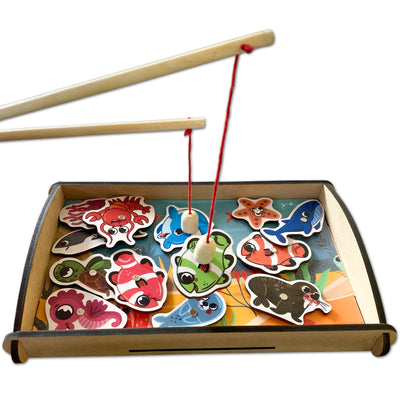
Parents can implement this by involving children in simple chores like sorting laundry, pouring water for plants, or tidying their toys. Providing opportunities for choice, such as selecting their clothes for a festival or choosing a book to read, further empowers them. SkilloToys offers a range of Montessori Method Learning Materials that naturally promote self-directed activity and fine motor skill development.
Self-Regulation for Strong-Willed Children: Guiding Big Personalities Towards Calm
Managing big personalities often involves guiding children to develop robust self-regulation skills – the ability to manage one's emotions, thoughts, and behaviors effectively. Studies suggest that explicit teaching of emotional vocabulary and coping strategies dramatically reduces behavioral outbursts in young children. This is especially crucial for strong-willed preschoolers who need constructive outlets for their energy and feelings.
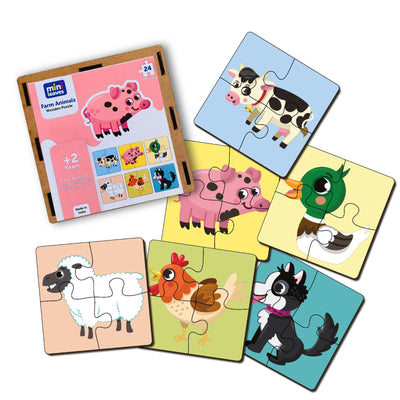
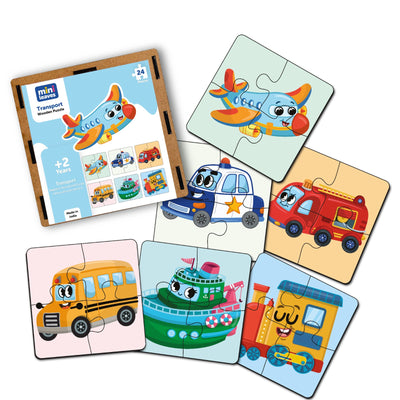
Techniques like naming emotions (e.g., "I see you're feeling frustrated because the tower fell"), deep breathing exercises, and providing a calm corner can be highly effective. Engaging children with intricate puzzles can also indirectly build focus and persistence, two key components of self-regulation. These skills are vital for navigating the social dynamics of school and joint family life.
Montessori Practical Life Skills India: Empowering Little Hands at Home
Practical life skills are perhaps the most direct way to foster independence, concentration, and coordination in preschoolers. Maria Montessori observed that children have an innate desire to imitate adults and participate in real-life activities. These activities, from buttoning clothes to sweeping the floor, are not just chores; they are exercises in self-mastery and contribute significantly to brain development.
For Indian families, incorporating tasks like preparing a simple snack, watering the tulsi plant, or helping to set the dinner table during a family gathering are invaluable. These experiences, often shared with grandparents, not only teach valuable skills but also strengthen family bonds and cultural understanding. Investing in activity kits that simulate real-life tasks can provide structured opportunities for this learning at home.
Building Social-Emotional Intelligence: Beyond Just Sharing
Social-emotional intelligence in preschoolers involves understanding and managing emotions, setting and achieving positive goals, feeling and showing empathy for others, establishing and maintaining positive relationships, and making responsible decisions. UNICEF data highlights that foundational learning, encompassing both cognitive and non-cognitive skills, significantly boosts a child's overall development index, particularly crucial in a diverse country like India.
Encourage empathy by discussing feelings of characters in stories, celebrating festivals like Diwali with a focus on sharing and community, and modeling respectful interactions within the family. Structured playdates and opportunities to interact with peers from the neighbourhood, overseen by a watchful parent or grandparent, provide natural environments for these skills to flourish.
- Essential non-academic skills, including social-emotional and practical life competencies, are more critical for preschool success than rote academics.
- The NEP 2020 and various studies emphasize foundational learning extends beyond literacy and numeracy, impacting overall child development in India.
- Fostering independence through age-appropriate chores and choices builds self-efficacy and aligns with the Montessori principle of 'help me to do it myself.'
- Self-regulation strategies, such as emotional labeling and focused play, are crucial for guiding strong-willed preschoolers and managing their 'big personalities.'
- Montessori practical life skills, integrated into daily Indian family routines, significantly enhance concentration, coordination, and a child's sense of contribution.
- Developing social-emotional intelligence, including empathy and relationship building, ensures preschoolers are well-equipped to navigate diverse school and social environments.
Ultimately, preparing preschoolers for school in India is about nurturing capable, confident, and compassionate individuals. By focusing on these essential non-academic skills, from self-reliance to emotional intelligence, parents equip their children not just for academic success, but for a fulfilling life journey. SkilloToys.com is dedicated to providing tools and resources that empower every child to build these foundational strengths, transforming their 'big personalities' into powerful assets for the future.
What are the most important non-academic skills for a 3-5 year old in India?
The most important non-academic skills for Indian preschoolers include self-regulation, independence in daily tasks, strong social-emotional intelligence, and practical life skills. These competencies enable them to adapt to school environments, manage emotions, and interact effectively with peers and elders.
How can I encourage independence in my preschooler at home?
Encourage independence by involving your preschooler in simple, age-appropriate chores like tidying toys, setting the table, or helping with festival preparations. Offer choices and allow them to complete tasks themselves, even if it takes longer, to build self-reliance and confidence.
What activities help strong-willed children develop self-regulation?
Activities that help strong-willed children develop self-regulation include practicing deep breathing, using emotion charts, and engaging with structured puzzles or activity kits. These provide focused engagement, teach persistence, and help channel their energy constructively, especially during moments of frustration.
How does Montessori support non-academic skill development in preschoolers?
Montessori supports non-academic skill development through its emphasis on practical life activities, self-directed play, and fostering independence. Children learn self-care, grace and courtesy, and develop concentration and coordination through purposeful engagement with their environment and specialized materials.
Why are social-emotional skills crucial for school readiness in India?
Social-emotional skills are crucial for school readiness in India because they enable children to navigate diverse classroom settings, form positive relationships with peers and teachers, and manage cultural nuances. These skills contribute significantly to their overall well-being and academic success, as highlighted by NEP 2020's holistic learning goals.