Play-Based Learning Activities for Preschoolers (3-5 Years)
In Indian homes, the journey from toddlerhood to school readiness is often a vibrant mix of aspirations and anxieties. Parents of 3-5 year olds are keen to ensure their little ones are not just ready for academic challenges but also grow into confident, well-adjusted individuals. This is where play-based learning activities for preschoolers become incredibly powerful, offering a gentle yet effective approach to early childhood development.
Gone are the days when learning meant only rote memorization. Today, we understand that children thrive when they learn through exploration, experimentation, and joy. This method supports holistic development, ensuring your child is emotionally, socially, and cognitively prepared for the exciting world of school.
What is Play-Based Learning and Why is it Essential?
Play-based learning is an educational approach where children learn by engaging in playful activities, often initiated and directed by themselves. This works because it taps into a child's natural curiosity and desire to explore, making learning an enjoyable and self-motivated process. Parents can facilitate this by providing a stimulating environment and age-appropriate materials that encourage discovery.
As Maria Montessori beautifully demonstrated, children are inherently driven to learn, and when given the freedom to explore within a prepared environment, they absorb knowledge effortlessly. For 3-5 year olds, this means developing critical thinking, problem-solving skills, and a love for learning long before they step into a formal classroom.
Engaging Hands-On Learning Activities for Kids (3-5 Years)
Here are some actionable, easy-to-implement play-based learning activities perfect for urban Indian apartments or joint family homes, designed to foster your child's potential.
1. Sensory Bin Adventures: Boosting Early Childhood Development Activities
Sensory bins are fantastic for engaging multiple senses, refining fine motor skills, and sparking imaginative play. They don't require much space and can be adapted with common household items.
- Materials: A shallow tub or tray, dried rice, lentils (dal), chickpeas, small scoops, cups, tongs, small toys (e.g., miniature animals, blocks).
- Steps: Fill the tub with a base material like rice. Add small, safe objects. Encourage your child to scoop, pour, sort, and hide/find items. You can even add a few dried spices like star anise or cinnamon sticks for an olfactory experience, connecting to Indian kitchens.
- Learning Outcome: Develops fine motor skills, hand-eye coordination, concentration, and introduces concepts of volume and sorting.
2. Everyday Montessori Challenges: Practical Montessori Activities India
Montessori principles emphasize practical life skills that foster independence and self-confidence. Integrate these into daily routines, often making household chores into fun, engaging activities.
- Materials: Small broom/dustpan, pouring pitchers, sorting trays, clothes pegs.
- Steps: Let your child help with simple chores like sweeping up crumbs, wiping spills with a cloth, or pouring water from a small jug into a glass. Provide a basket of socks for them to match and fold. For a challenge, have them use clothes pegs to hang small napkins on a line.
- Learning Outcome: Builds independence, concentration, practical life skills, fine motor control, and a sense of contribution to the family.
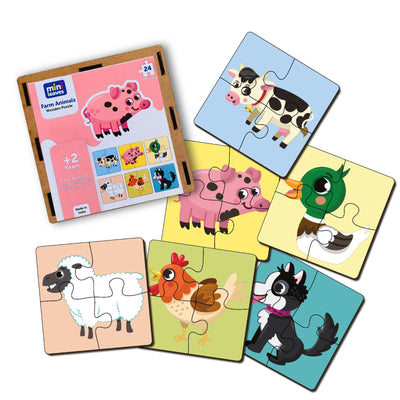
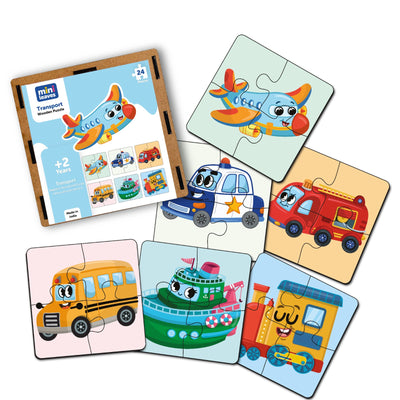
3. Puzzle Play & Problem Solving: Fantastic Preschool Readiness Games
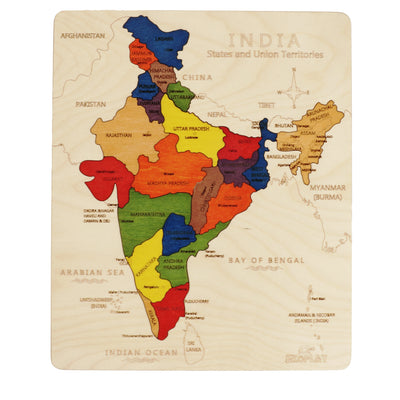
Puzzles are classic tools for developing cognitive skills, spatial awareness, and persistence. They are excellent preschool readiness games that teach children about shapes, colours, and problem-solving strategies.
- Materials: Age-appropriate wooden puzzles, shape sorters, or jigsaw puzzles with larger pieces.
- Steps: Start with simple knob puzzles or shape sorters. As your child gains confidence, move to multi-piece jigsaw puzzles. Encourage them to try different pieces, rotate them, and persevere even if it's challenging.
- Learning Outcome: Enhances logical thinking, spatial reasoning, fine motor skills, hand-eye coordination, and develops patience and persistence, crucial for academic tasks.
4. Storytelling & Pretend Play: Creative Learning Through Play 3-5 Years
Imaginative play is vital for language development, emotional intelligence, and creativity. Children learn to express themselves and understand the world around them by stepping into different roles.
- Materials: Dolls, puppets, dress-up clothes, empty boxes, kitchen utensils, simple props related to Indian festivals or daily life scenarios.
- Steps: Encourage role-playing family dinners, visiting the market, preparing for a festival like Diwali or Holi, or being a doctor/teacher. Use puppets to create stories, asking your child to narrate what happens next.
- Learning Outcome: Boosts vocabulary, communication skills, empathy, creativity, social understanding, and helps process emotions and experiences.
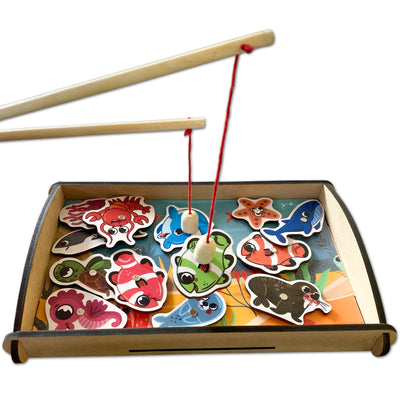
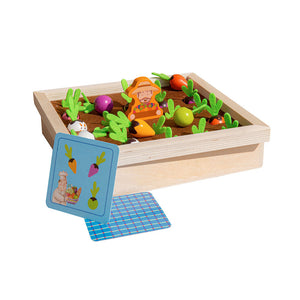
5. Activity Kits: Structured Hands-On Learning for Kids
Sometimes, parents appreciate curated experiences that offer guided exploration. Activity kits are designed to target specific developmental areas while keeping the learning fun and engaging.
- Materials: A well-designed educational activity kit focusing on themes like early STEM, art and craft, or language development.
- Steps: Follow the kit's instructions, but allow for child-led exploration and deviation. Encourage questions and observations. These kits often provide all necessary materials and clear objectives.
- Learning Outcome: Develops specific skills (e.g., fine motor control, colour recognition, basic math concepts), encourages following instructions, and introduces new concepts in a structured yet playful manner.
Integrating Play into Busy Indian Lives
We understand that modern Indian parenting comes with its unique challenges – limited space in urban apartments, the dynamics of a joint family, and often, busy schedules. The key is consistency, not perfection. Dedicate short, focused periods for these activities, even 15-20 minutes daily can make a huge difference. Involve grandparents or other family members to make it a shared, joyful experience.
Remember, the goal is to foster a love for learning, not to push for academic milestones prematurely. Your child’s emotional well-being and natural curiosity are the greatest assets you can nurture through playful exploration.
Key Takeaways
- Play-based learning is crucial for holistic development in preschoolers (3-5 years).
- It fosters independence, problem-solving, and a lifelong love for learning.
- Simple, everyday materials can be transformed into engaging learning tools.
- Montessori principles encourage practical life skills and child-led exploration.
- Consistency in short play sessions is more impactful than infrequent long ones.
FAQs on Play-Based Learning Activities for Preschoolers
What are the benefits of play-based learning for preschoolers?
Play-based learning offers numerous benefits, including enhanced cognitive development, improved social-emotional skills, better language abilities, and increased creativity. It prepares children for formal schooling by building foundational skills like problem-solving, concentration, and self-regulation in a joyful, stress-free environment.
How much time should my 3-5 year old spend on play-based learning daily?
For preschoolers aged 3-5 years, aim for at least 60 minutes of unstructured free play daily, supplemented by 15-30 minutes of guided play-based learning activities. It's more about quality and engagement than strict duration, allowing children to lead their exploration and sustain their interest naturally.
Can play-based learning truly prepare my child for formal schooling in India?
Absolutely. Play-based learning effectively prepares children for formal schooling by developing essential pre-academic skills like letter and number recognition, fine motor control for writing, and the ability to follow instructions. More importantly, it instils a positive attitude towards learning, curiosity, and resilience, which are fundamental for academic success in any Indian school.
What if I don't have many toys for play-based learning?
You don't need expensive toys for effective play-based learning. Everyday household items like kitchen utensils, old clothes for dress-up, natural materials like leaves and stones, or even empty boxes can be fantastic props. The focus is on imagination and interaction, not the quantity of store-bought toys. SkilloToys also offers carefully curated, open-ended educational toys that encourage versatile play.