Preschool Regulation India: Protecting Childhood
Robust preschool regulation in India is absolutely essential to safeguard the holistic development of children aged 3-5 years. This crucial oversight ensures that early learning environments prioritize a child's well-being and genuine educational needs over commercial interests, providing Indian parents peace of mind about their child's foundational years.
As conversations around the quality and commercialization of early education gain traction across India, many families, especially those in bustling cities like Bengaluru, are increasingly concerned. The growing awareness underscores a collective desire to protect childhood from becoming just another commodity, ensuring that every child receives a nurturing start.
What is Preschool Regulation in India?
Preschool regulation in India refers to the establishment and enforcement of standards for early childhood education institutions, covering aspects like infrastructure, curriculum, teacher qualifications, and child safety. This matters immensely because it provides a framework for quality assurance, ensuring children receive developmentally appropriate care and education. Indian parents can proactively seek out preschools that demonstrate adherence to these established or proposed guidelines, ensuring a quality start for their little ones.
Protecting Our Children: The Need for Ethical Preschools in India
The quest for quality early childhood education is a significant journey for many Indian families, often complicated by the sheer number of options available. Ensuring `ethical preschools India` are the norm, not the exception, is vital for every child's safety and holistic development. Research consistently shows that a child's early experiences profoundly shape their future learning and well-being.
Unfortunately, without clear and enforced `child safety in preschools` regulations, instances of neglect or unqualified staff can occur. Parents are rightly worried about the environment their little ones spend their crucial formative hours in, especially when both parents are working or in joint families where grandparents might not be able to supervise round-the-clock. An ethical preschool prioritizes a safe, hygienic, and stimulating environment, staffed by trained and compassionate educators.
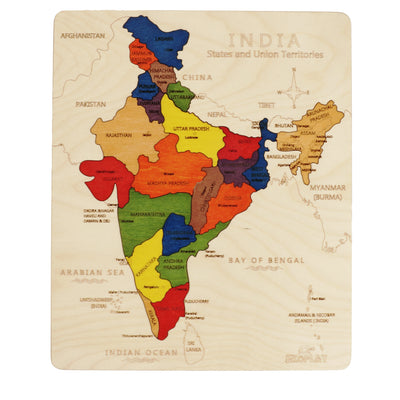
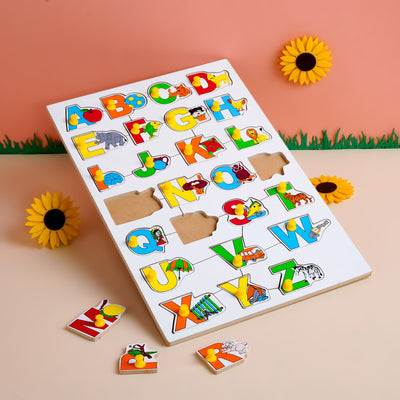
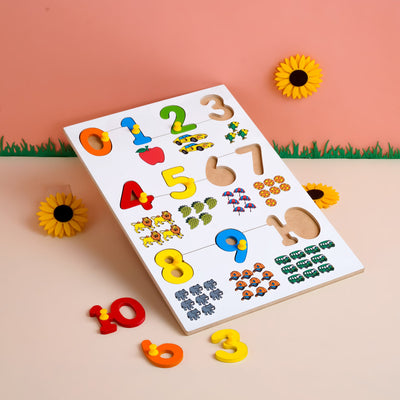
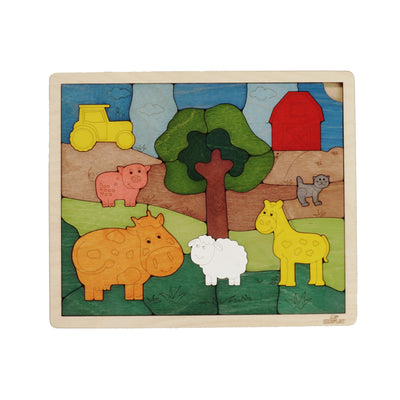
These institutions understand that the 3-5 year age group thrives on play, exploration, and gentle guidance, not excessive academic pressure. They invest in creating spaces where children can develop social-emotional skills, problem-solving abilities, and a love for learning, often through engaging activities like working with Montessori puzzles.
Upholding Quality: NEP 2020 and Early Childhood Education Standards
The National Education Policy (NEP) 2020 provides a transformative vision for `quality early childhood education India`, particularly focusing on foundational learning for children aged 3-8 years. It emphasizes play-based, activity-based, and inquiry-based learning, moving away from rote memorization towards conceptual understanding and critical thinking.
NEP 2020’s foundational learning framework is crucial for guiding `NEP 2020 quality standards` in preschools. It highlights the importance of trained educators who understand child psychology and development, creating learning experiences that are age-appropriate and engaging. This alignment ensures that the early years are truly foundational, building strong cognitive, social, and emotional skills.
SkilloToys strongly believes in providing tools that support this vision. Our Montessori materials and activity kits, for instance, are designed to foster independent exploration and critical thinking, perfectly complementing a high-quality early childhood curriculum. They encourage children to develop fine motor skills, concentration, and a sense of order, key tenets of the Montessori philosophy championed by Maria Montessori herself, who understood the profound capabilities of young children.
The Peril of Commercialization in Early Education
The increasing `commercialization of early education` poses a significant threat to the integrity of childhood development in India. When profit motives overshadow educational principles, the focus can shift from holistic child development to superficial metrics or elaborate marketing. This can manifest as pressure on children to learn beyond their developmental stage or an overemphasis on flashy infrastructure without corresponding pedagogical quality.
Experts in child development agree that the early years, specifically 3-5 years, are critical for forming neural connections and developing a positive attitude towards learning. A commercialized approach often leads to overcrowded classrooms, high teacher turnover, and a curriculum that prioritizes early academic drilling over essential play-based learning. This can stifle creativity and intrinsic motivation, impacting a child's long-term relationship with education.
Instead of preparing children for school by making learning enjoyable and curiosity-driven, commercial setups might instill undue pressure. The true spirit of early childhood education, as envisioned by pioneers like Maria Montessori, is about following the child, providing a prepared environment, and fostering independence and self-discipline, not about competitive advancement.
Empowering Parents: What to Look For in a Preschool
Navigating preschool choices can feel overwhelming, but armed with knowledge, Indian parents can make informed decisions. When considering options in Bengaluru or anywhere in India, always inquire about their adherence to potential `preschool regulation India` guidelines and their philosophy on child development.
Look for transparent policies regarding fees, safety protocols, and staff qualifications. Ask about the teacher-to-child ratio, the curriculum's alignment with NEP 2020 principles, and the availability of outdoor play. A good preschool will welcome your questions and demonstrate a genuine commitment to child welfare.
Prioritize institutions that focus on holistic development, offering a balance of free play, structured activities, and opportunities for social interaction. Remember, the goal is to prepare your child for primary school not just academically, but also socially and emotionally, making their transition smooth and joyful.
- Preschool regulation in India is critical for ensuring quality and safety in early childhood education.
- The commercialization of early education can compromise children's holistic development and learning experiences.
- NEP 2020 provides essential quality standards for foundational learning, emphasizing play-based and inquiry-based methods.
- Ethical preschools prioritize child safety, trained educators, and developmentally appropriate curricula over profit motives.
- Parents play a vital role in advocating for and choosing well-regulated, high-quality early learning environments.
- Quality Montessori materials support the kind of independent and meaningful learning promoted by strong preschool standards.
By championing robust `preschool regulation India`, we collectively ensure that every child's foundational years are spent in nurturing, stimulating, and truly educational environments. This commitment protects their precious childhood and sets them on a path of lifelong learning and well-being. At SkilloToys, we are dedicated to supporting this journey by providing Montessori educational toys that align with the highest standards of early childhood development, helping prepare your little ones for school and beyond.