Social Skills for Preschoolers: School Readiness Guide
Fostering social skills in preschoolers (3-5 years) is undeniably crucial for their holistic development and school readiness, establishing a strong foundation for future interactions. Child development experts agree that proactive engagement in structured and free play environments significantly enhances a child's ability to navigate group dynamics. Indian parents can effectively nurture these abilities by integrating culturally relevant activities and encouraging family interactions.
Social skills for preschoolers encompass a child's ability to interact, cooperate, share, empathize, and resolve conflicts with others. This matters because strong social competencies predict academic success and emotional well-being, fostering positive peer relationships. Indian parents can guide this development by modeling respectful interactions and providing diverse social opportunities, from joint family gatherings to neighborhood playdates.
Why Strong Social Skills are Essential for School Readiness
Strong social skills are a cornerstone for a smooth transition into formal schooling. Research indicates that children with well-developed social-emotional skills at age five are significantly more likely to succeed academically and maintain positive relationships throughout their school life. These skills enable children to understand classroom rules, engage with teachers, and work collaboratively with peers on tasks, which are all vital for the structured environment of an Indian school.
Developing robust school readiness social skills means a child can confidently participate in group activities, follow instructions, and express their needs appropriately. This reduces anxiety during the crucial initial years of schooling and allows children to focus better on learning. A preschooler who can manage their emotions and interact positively is better equipped to adapt to new routines and friendships, laying a solid foundation for their educational journey.
Teaching Sharing and Cooperation to Young Children
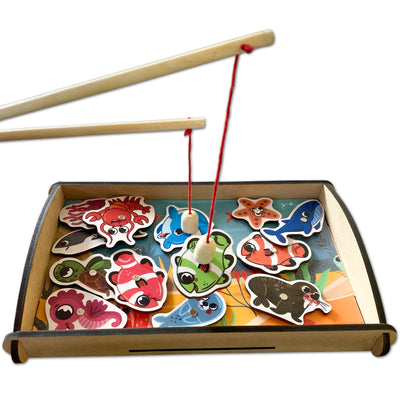
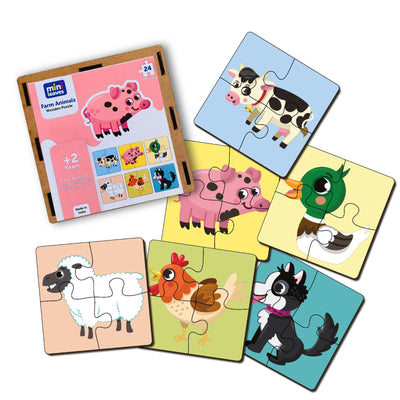
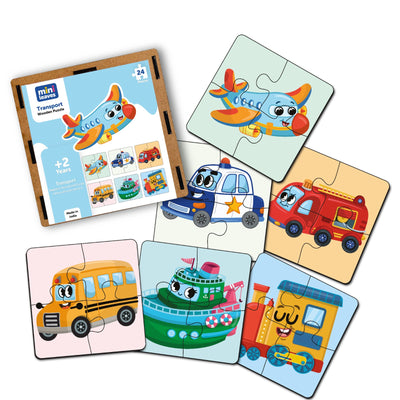
Nurturing the spirit of sharing and cooperation is fundamental to building positive peer relationships in young children. Teaching teaching sharing to 3-5 year olds begins with simple, tangible experiences at home. Encourage turn-taking during play with puzzles or board games, explaining the concept of waiting and respecting others' turns.
Incorporating cooperation activities preschool into daily routines, like helping set the table or putting away toys together, instills a sense of teamwork. Maria Montessori emphasized the 'prepared environment' where children learn respect for materials and others' space, naturally fostering sharing and collaborative efforts. Parents can gently guide children by narrating scenarios: "Aarav is playing with the car now, then it will be your turn." This consistent messaging helps children internalize the value of cooperative play.
Encouraging Friendship and Empathy in Preschoolers
Guiding preschoolers to form friendships and develop empathy builds their emotional intelligence and capacity for connection. To foster how to make friends preschool, provide opportunities for your child to interact with peers in a supportive setting, such as at a park or a family gathering. Model friendly behaviors, like greeting others and offering help, as children learn significantly through observation.
Empathy can be nurtured through storytelling and role-playing with activity kits, discussing characters' feelings and how different actions impact others. In an Indian joint family setup, children naturally learn empathy by observing interactions with grandparents, aunts, and uncles, and participating in shared festivals. Encouraging children to recognize and name emotions, both their own and others', helps them understand diverse perspectives.
Montessori's Approach to Social Learning
The Montessori method inherently cultivates social skills through its unique educational philosophy and environment. Central to Montessori social learning is the mixed-age classroom, where younger children learn from older peers, and older children practice leadership and patience. This dynamic fosters a natural exchange of knowledge and social norms, far beyond what same-age groups offer.
The focus on 'Grace and Courtesy' lessons in Montessori education directly addresses social etiquette, teaching children how to greet others, ask for help, or wait their turn respectfully. Children work independently but within a community, learning to manage their space and resources while respecting others. Utilising Montessori method learning materials promotes concentration, but also often requires cooperation, indirectly strengthening social competencies.
Practical Activities for Indian Homes to Boost Social Skills
Integrating specific activities into daily life strengthens social competencies at home, making learning enjoyable and relevant. For Indian parents, leveraging family structures and cultural events provides rich ground for social skill development. Encourage your child to participate in simple chores alongside family members, fostering a sense of contribution and shared responsibility.
Organize regular playdates with cousins or friends, emphasizing specific goals like "today we'll build a tower together" to encourage collaboration. Celebrating festivals provides unique opportunities for children to interact with a wider age range of relatives, practice greetings, and learn cultural etiquette. Studies show that children who regularly participate in family routines and community events exhibit higher levels of social competence and adaptability, essential for navigating both school and life in a diverse society.
- Fostering social skills in preschoolers (3-5 years) is critical for school readiness.
- Strong social competencies predict both academic success and emotional well-being.
- Teaching sharing and cooperation should involve consistent modeling and practical, turn-taking activities.
- Empathy and friendship skills are developed through role-playing, storytelling, and diverse peer interactions.
- The Montessori approach, with its mixed-age classrooms and 'Grace and Courtesy' lessons, naturally supports social development.
- Indian family structures and cultural events offer abundant opportunities for children to practice social skills.
How can I encourage my 3-5 year old to share toys effectively?
Encourage sharing by modeling the behavior yourself and setting clear expectations. Start with activities where sharing is natural, like playing with blocks or puzzles together, and praise successful attempts. Explicitly state the importance of taking turns and respecting others' possessions.
What are key indicators of developing social skills in preschoolers?
Key indicators include engaging in cooperative play, showing empathy towards peers, understanding and following simple rules, and initiating conversations. They also begin to manage minor conflicts and express their needs or desires verbally, indicating growing social competence.
Why is cooperative play so crucial for school-ready children?
Cooperative play is crucial because it teaches children essential life skills such as negotiation, compromise, and problem-solving within a group setting. These experiences build a child's ability to work with others, a fundamental requirement for successful schooling and future social interactions.
How can parents help a shy preschooler make friends?
Parents can help a shy preschooler by arranging small, structured playdates in a familiar environment, focusing on shared interests. Encourage gentle invitations to play and model how to initiate interactions. Praising small steps towards engagement, however minor, reinforces their confidence.
What specific Montessori principles support social learning in young children?
Montessori principles support social learning through a 'prepared environment' that encourages independent work and respectful interaction among children of varying ages. The focus on 'Grace and Courtesy' lessons directly teaches social etiquette, while collaborative work with Montessori method learning materials naturally fosters cooperation and conflict resolution.