Teach Hindi Alphabets to Preschoolers (3-5 Years)
Teaching Hindi alphabets to preschoolers (3-5 years) involves a multi-sensory, play-based approach that respects a child's natural curiosity and developmental stage. Incorporating Montessori principles helps make this foundational learning engaging and effective for young learners in Indian homes.
As parents in Bengaluru and across India prepare their little ones for school, introducing basic literacy skills in Hindi is a common priority. This guide offers practical, Montessori-inspired methods to make learning the Hindi varnamala an enjoyable and successful experience for your child.
What Are Hindi Alphabets and Why Learn Them Early?
Teaching Hindi alphabets to preschoolers means introducing the Devanagari script's vowels (swar) and consonants (vyanjan) in an age-appropriate manner. This foundational literacy skill is crucial for future academic success and connecting children to their rich cultural heritage.
Studies by the Centre for Public Policy Research (CPPR) highlight that India's learning crisis often begins in early childhood, underscoring the critical importance of foundational literacy in languages like Hindi. Early exposure not only builds a strong academic base but also strengthens cultural identity, especially within joint families where Hindi is often spoken.
Understanding the Preschooler Mind (3-5 Years): A Montessori View
Maria Montessori's philosophy emphasizes the 'absorbent mind' of children aged 0-6 years, indicating their extraordinary capacity to soak up information from their environment effortlessly. For 3-5 year olds, this period is particularly sensitive for language acquisition, where they are driven by an innate desire to understand and communicate.
Children at this age learn best through purposeful activity, sensory exploration, and repetition. Providing a prepared environment with engaging materials allows them to explore Hindi at their own pace, building confidence and a genuine love for learning.
Montessori-Inspired Strategies for Teaching Hindi Alphabets
Integrating Montessori methods can transform Hindi alphabet learning from rote memorization into a captivating discovery. These strategies focus on hands-on engagement and sensory experiences, making learning stick.
The Power of Sensory Learning: Sandpaper Letters
Montessori sandpaper letters are tactile materials that allow children to trace the form of each letter with their fingers, connecting the visual, auditory, and kinesthetic senses. For Hindi, introducing the phonetic sound (dhwani) while tracing is vital.
Parents can easily create DIY sandpaper Hindi letters using cardboard and sandpaper, making this effective learning tool accessible in any Indian home. Begin with vowels (swar) and commonly used consonants (vyanjan) that are phonetically distinct. Explore various Montessori learning materials that aid in this sensory exploration.
Engaging Through Sound: Phonics First for Hindi Varnamala
Child development experts agree that children learn best by associating sounds with letters before learning their names. Introduce the phonetic sound of each Hindi letter (e.g., 'a' as in 'anaar' for 'अ') before its formal name. This approach aligns with how children naturally acquire spoken language.
Engage your child with simple Hindi rhymes and songs, pointing out words that start with the target sound. Identifying sounds in everyday objects around the house, like 'pa' for 'paani' (water) or 'ma' for 'maa' (mother), integrates learning into daily life seamlessly.
Playful Practice: Games and Activities for Hindi Learning
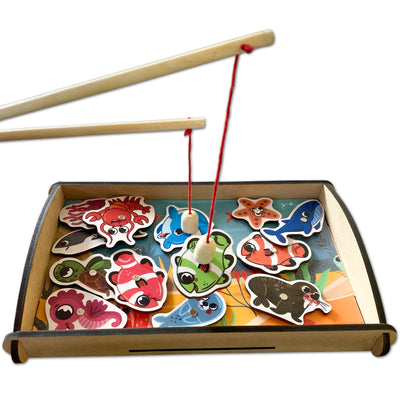
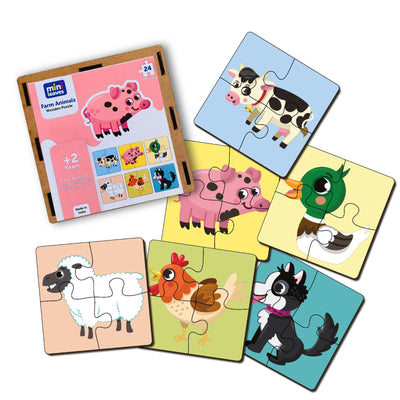
Learning through play is paramount for preschoolers. Incorporate games like matching letter flashcards, memory games with Hindi alphabets, or simple puzzles that piece together letters or letter-picture combinations. These activities make learning interactive and joyful.
Encourage drawing letters in sand, flour, or with chalk on a slate, which offers a fun, mess-friendly sensory experience. SkilloToys offers a range of activity kits designed to reinforce Hindi letter recognition and formation through engaging play.
Storytelling and Rhymes: Cultural Immersion
Harness the power of storytelling to introduce Hindi alphabets within a familiar cultural context. Grandparents often play a vital role here, sharing traditional tales like Panchatantra stories or reciting folk rhymes in Hindi.
Connecting Hindi words to Indian festivals and daily routines also deepens understanding. For instance, associating 'Diya' with 'द' during Diwali or 'Ganesha' with 'ग' during Ganesh Chaturthi provides meaningful context and strengthens cultural bonds.
Creating a Language-Rich Environment at Home
A consistent, language-rich environment is essential for fostering early Hindi learning. Label objects around your home in Hindi, creating a visual dictionary for your child. Read Hindi storybooks together, pointing to words as you read, even if your child doesn't understand every word.
Encourage conversations in Hindi during meal times, playtime, or while running errands. This consistent exposure reinforces vocabulary and demonstrates the practical application of the language. Research shows that children who are regularly exposed to a print-rich environment at home develop stronger literacy skills.
Addressing Common Parental Concerns
Many Indian parents worry about balancing multiple languages or facing school pressure to ensure their child knows Hindi. Be assured that children can learn multiple languages simultaneously without confusion, especially with consistent exposure. The key is to make learning joyful and stress-free.
If your child shows resistance, simplify activities, shorten learning sessions, and follow their interest. Celebrate small achievements and focus on the process of exploration rather than demanding perfect outcomes. A positive, encouraging approach nurtures a lifelong love for learning, regardless of initial challenges.
- Introducing Hindi alphabets between 3-5 years is ideal for preschoolers' language development.
- Montessori methods emphasize multi-sensory and play-based learning for effective Hindi acquisition.
- Prioritizing phonetic sounds (dhwani) over letter names aids natural language acquisition in Hindi.
- Creating a language-rich home environment through labels, stories, and conversations boosts Hindi literacy.
- Children can successfully learn Hindi alongside other languages, enhancing their cognitive flexibility.
- Accessible and DIY materials can make Montessori-inspired Hindi learning feasible for all Indian homes.
When is the best age to introduce Hindi alphabets to children?
Child development experts agree that the ideal age to introduce Hindi alphabets to children is typically between 3 and 5 years. At this stage, preschoolers are developing language readiness, fine motor skills, and an absorbent mind, making them receptive to new linguistic concepts through play and sensory exploration.
What is the Montessori approach to teaching Hindi varnamala?
The Montessori approach to teaching Hindi varnamala emphasizes multi-sensory learning, moving from concrete experiences to abstract understanding. It involves hands-on materials like sandpaper letters, focusing on phonetic sounds before letter names, and integrating learning into a prepared environment where children can explore at their own pace.
How can I make Hindi alphabet learning fun and not like a chore?
To make Hindi alphabet learning enjoyable, incorporate it into daily play and activities. Use interactive games, sing rhymes, tell stories, and engage in simple crafts that involve letters. The goal is to foster a positive association with the language, rather than making it a pressured academic task, especially for young children.
Is it okay to teach Hindi along with English or other regional languages?
Yes, research shows that children are naturally adept at acquiring multiple languages simultaneously without confusion. Exposing children to Hindi alongside English or other regional languages from an early age can enhance cognitive flexibility and provide a rich linguistic foundation. Consistency and natural exposure in each language are key.
What materials are essential for teaching Hindi to preschoolers at home?
Essential materials for teaching Hindi to preschoolers at home include sandpaper Hindi letters, flashcards with vivid imagery, simple Hindi storybooks, and interactive activity kits. Everyday items like sand, flour, or playdough can also be used creatively for letter formation, making learning accessible and engaging.