Teaching Hindi Alphabets to Preschoolers (3-5 Years)
Teaching hindi alphabets to preschoolers (3-5 years) effectively involves a multi-sensory, play-based approach that connects letters to familiar sounds and objects, fostering early literacy in a fun and engaging manner for young learners across India. This foundational learning is critical for school readiness and aligns perfectly with modern educational philosophies.
Hindi alphabet learning, or 'Varnamala' instruction, is the process of introducing children to the sounds and symbols of the Hindi script through interactive and developmental activities. This matters immensely as it lays the essential groundwork for reading, writing, and broader cognitive development, crucial for academic success in India. Indian parents can integrate these methods into daily routines, leveraging cultural stories, songs, and readily available Montessori materials.
Why Early Hindi Alphabet Learning Matters for Indian Preschoolers
For children aged 3-5 years in India, grasping basic Hindi alphabets is more than just academic preparation; it's a gateway to their cultural heritage and effective communication. The National Education Policy (NEP) 2020 strongly emphasizes foundational literacy, underscoring the importance of early language acquisition. This focus ensures that children, whether from urban homes in Bengaluru or rural settings, are equipped with essential skills right from their formative years, aligning with the 'Foundations First' initiative.
Research indicates that children who engage with alphabet recognition activities early exhibit stronger pre-reading skills, with studies showing an average improvement of 15-20% in phonological awareness. This early exposure helps them decode words faster, comprehend better, and navigate their initial school years with confidence. Parents managing the big personalities of their little ones can transform this crucial step into an enjoyable journey, setting them up for a lifelong love of learning.
Engaging Hindi Varnamala for Kids: Play-Based Strategies
Introducing the 'hindi varnamala for kids' should always feel like play, not work. Preschoolers thrive on exploration and discovery, making hands-on activities the most effective way to teach Hindi letters. This approach directly addresses the need for 'hindi alphabet activities for preschoolers' that are both fun and impactful.
Multi-Sensory Exploration with Montessori Principles
Maria Montessori's philosophy champions multi-sensory learning, and this is incredibly effective for language. Begin by letting your child trace large Hindi letters with their fingers in sand, salt, or even a tray of flour, mimicking the experience of Montessori sandpaper letters. SkilloToys offers a range of materials designed to engage touch, sight, and sound simultaneously, turning abstract symbols into concrete experiences.
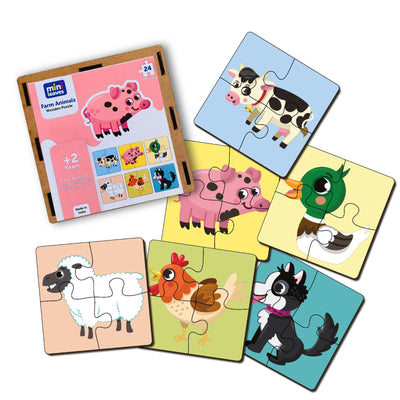
Utilize vibrant flashcards or wooden alphabet puzzles, encouraging your child to feel the shape of each letter. Verbally pronounce the phonetic sound of the letter as they trace or interact with it. This repetition across different senses solidifies memory and understanding, making 'how to teach hindi letters' a joyful discovery.
Storytelling & Rhymes for Letter Recognition
Indian households are rich with stories and songs, making these natural vehicles for learning. Grandparents often play a wonderful role, sharing folk tales and traditional Hindi rhymes. Connect the starting sound of a character's name to a Hindi alphabet; for instance, 'क' for 'कछुआ' (Kachua - tortoise) from a familiar story, or 'अ' for 'अंगूर' (Angoor - grapes) from a market trip.
Singing popular Hindi nursery rhymes like 'आलू कचालू' or 'मछली जल की रानी है' can introduce letter sounds in context. Many activity kits are available that combine storytelling with letter recognition, providing engaging tools for parents. This makes the learning process feel organic and culturally resonant, mirroring how children in diverse Indian communities learn.
Everyday Activities for Hindi Letter Practice
Learning Hindi alphabets doesn't need to be confined to a classroom setting. Integrate letter practice into daily life. Point out Hindi letters on newspaper headlines, street signs, grocery packaging, or storybooks. Ask your child to identify letters they already know or to find specific letters you call out, perhaps during a family outing.
Simple kitchen activities, like forming letters with dough or arranging magnet letters on the fridge, can turn mundane tasks into learning opportunities. These consistent, low-pressure exposures help reinforce what they've learned and build confidence, showing them that Hindi is everywhere around them, just like the emerging interest in science during early childhood periods that also benefits from strong language foundations.
Montessori Hindi Alphabet Approach for Lasting Learning
The 'montessori hindi alphabet' method is particularly effective for 3-5 year olds because it respects the child's natural pace and intrinsic motivation. It typically starts with introducing phonetic sounds (e.g., 'क' as 'ka' sound) before the letter names. This concrete-to-abstract progression helps children associate sounds directly with symbols, a vital step for early reading, and is a cornerstone of Montessori language materials.
Montessori materials, often found in a 'language area' at home or school, include objects that begin with specific Hindi letter sounds, allowing children to match sounds to objects, then objects to symbols. This structured, yet self-directed, approach empowers children to explore language at their own speed. Child development experts agree that such self-paced learning fosters greater engagement and retention, preparing them for the rigors of formal schooling.
Making Learning Hindi Alphabets a Joyful Journey for 3-5 Year Olds
Ultimately, the goal is to 'learn hindi alphabets 3-5 years' in a way that builds enthusiasm, not aversion. Remember that every child is unique, and some may pick up letters faster than others. Patience and positive reinforcement are your most valuable tools. Celebrate every small success, whether it's recognizing one new letter or attempting to trace one imperfectly.
Keep learning sessions short and focused—5 to 10 minutes is ideal for preschoolers, as their attention spans are developing. Studies indicate that short, focused learning sessions (5-10 minutes for 3-5 year olds) are significantly more effective than longer, forced sessions, leading to better retention rates of up to 70%. End on a positive note, always. By making it a game, a story, or a fun activity, you're not just teaching letters; you're nurturing a curious, confident learner ready for the next step in their educational journey.
- Multi-sensory engagement is crucial for effective Hindi alphabet learning in preschoolers.
- The National Education Policy (NEP) 2020 highlights the importance of early foundational literacy, including Hindi alphabets.
- Montessori principles, like using sandpaper letters and phonetic sounds, offer a proven method for teaching Hindi 'Varnamala'.
- Integrating Hindi alphabet learning into daily activities and cultural storytelling enhances retention and relevance for Indian children.
- Short, consistent, play-based learning sessions (5-10 minutes) are significantly more effective for 3-5 year olds than long, forced sessions.
- Early exposure to Hindi alphabets improves pre-reading skills and builds confidence for school readiness.
What is the ideal age to begin teaching Hindi alphabets?
The ideal age to begin introducing Hindi alphabets is generally between 3 and 5 years, aligning with a child's natural curiosity and readiness for language acquisition. At this stage, children are receptive to learning through play and multi-sensory experiences, which makes the process engaging and effective.
How can I make learning Hindi letters engaging for my child?
Making learning Hindi letters engaging involves incorporating play, storytelling, and daily activities. Use colorful flashcards, sing popular Hindi rhymes, trace letters in sand, or identify Hindi letters on everyday objects around the house, like newspaper headlines or product packaging.
Are Montessori Hindi alphabet materials effective for preschoolers?
Yes, Montessori Hindi alphabet materials are highly effective because they utilize a multi-sensory, hands-on approach that caters to a child's developmental stage. Materials like sandpaper letters allow children to trace the shape, feel the texture, and associate the sound, fostering a deeper understanding and retention of the 'varnamala'.
How often should I practice Hindi alphabets with my 3-5 year old?
Child development experts agree that short, consistent sessions are more effective than infrequent, long ones. Aim for 5-10 minute play-based sessions daily, or a few times a week, to maintain engagement without overwhelming your preschooler and to reinforce learning naturally.
What if my child shows resistance to learning Hindi alphabets?
If your child shows resistance, it's crucial not to force the learning. Instead, observe their interests and integrate Hindi letters into activities they already enjoy, like their favorite storybooks or craft time. Patience and a positive, pressure-free environment are key to fostering a love for learning.