Technical Support for Early Childhood Education India: Boosting Preschool Quality
In India, ensuring our youngest learners receive a strong start is paramount, especially for parents of 3-5 year olds. This is where technical support Early Childhood Education India comes into play, dramatically boosting the quality of preschools across the nation. Organizations, including various NGOs and international bodies, are working tirelessly to refine teaching methodologies, update curricula, and empower educators, ensuring a brighter, more engaging future for every preschooler, from the bustling lanes of Bengaluru to quieter villages. Research indicates that high-quality ECE significantly improves long-term academic outcomes and social-emotional skills, making these efforts directly relevant to your child's success.
As the recent 'Call for EOIs: Technical support to Early Childhood Care and Education (India)' by fundsforNGOs highlights, there's a concerted, ongoing effort to elevate ECE standards. These initiatives aren't just policy discussions; they translate into tangible improvements within your child's classroom, influencing everything from the stories they hear to the activities they engage with daily. Parents managing energetic 3-5 year olds know that stimulating activities are key to harnessing their boundless curiosity.
What is Technical Support in Early Childhood Education (ECE)?
Technical support in ECE refers to expert guidance, resources, and capacity-building provided to enhance the design, delivery, and evaluation of early learning programs. This matters because it ensures educational practices are evidence-based and aligned with developmental psychology. Indian parents can advocate for these improved standards by engaging with their child's preschool and understanding the methodologies employed.
NGOs Early Childhood Education India: Catalysts for Change on the Ground
NGOs are the backbone of many early childhood development interventions, particularly in underserved communities. These organizations identify gaps in existing ECE provision and step in to offer innovative solutions. For instance, a small NGO might partner with a local Anganwadi centre in rural Karnataka, providing not just funds but also training modules for workers on play-based learning or supplying developmentally appropriate puzzles and storybooks. This direct intervention ensures that even children in remote areas receive stimulating learning experiences, bridging the urban-rural education divide.
Community engagement in early childhood development intervention trials, as demonstrated by programs in rural India, shows that involving parents and local leaders is critical for success. When a Dadi in a joint family understands the value of engaging her grandchild with storytelling or simple activities like sorting grains, it reinforces the learning beyond the preschool walls. This collaborative spirit, fostered by NGOs, creates a holistic ecosystem for a child's growth.
Elevating ECCE Quality Improvement India Through Expert Guidance
The core of improving ECE quality lies in refining what and how children are taught. Technical support from expert bodies directly contributes to creating curricula that are age-appropriate, culturally relevant, and aligned with global best practices like the Montessori method. This involves developing lesson plans that encourage critical thinking, problem-solving, and creativity, rather than rote memorisation. Child development experts agree that a well-structured curriculum, coupled with skilled teaching, is the bedrock of effective early learning.
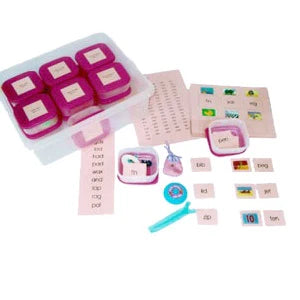
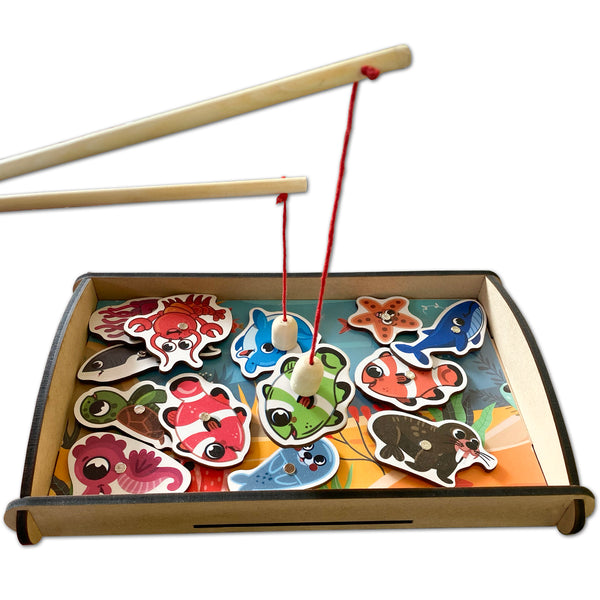
Consider the shift from traditional chalk-and-talk to activity-based learning. Technical support provides educators with the tools and understanding to implement this change. It helps in designing engaging activity kits that captivate a 4-year-old's attention, making learning about shapes, colours, and numbers an adventure rather than a chore. This is crucial for children preparing for formal schooling, as it builds a love for learning that lasts a lifetime.
Why Modern Training Matters for Your Child's Preschool Development Initiatives India
The quality of a child's preschool experience is largely dependent on the educator in the classroom. Technical support significantly invests in teacher training, moving beyond basic qualifications to impart advanced pedagogical skills. Teachers learn how to observe children closely, understand individual learning styles, and adapt their teaching methods accordingly – a cornerstone of Montessori education pioneered by Maria Montessori herself. This empowers educators to manage a classroom of diverse personalities effectively, nurturing each child's unique strengths.
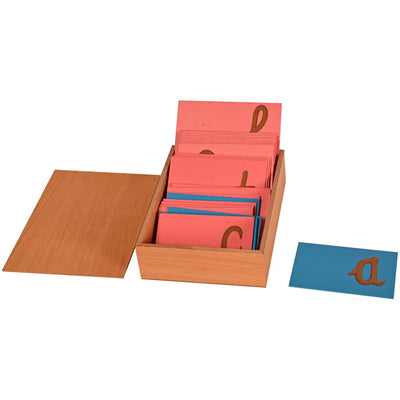
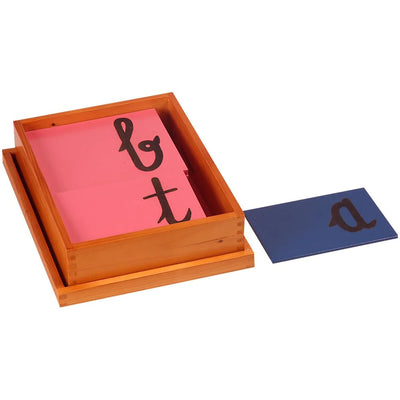
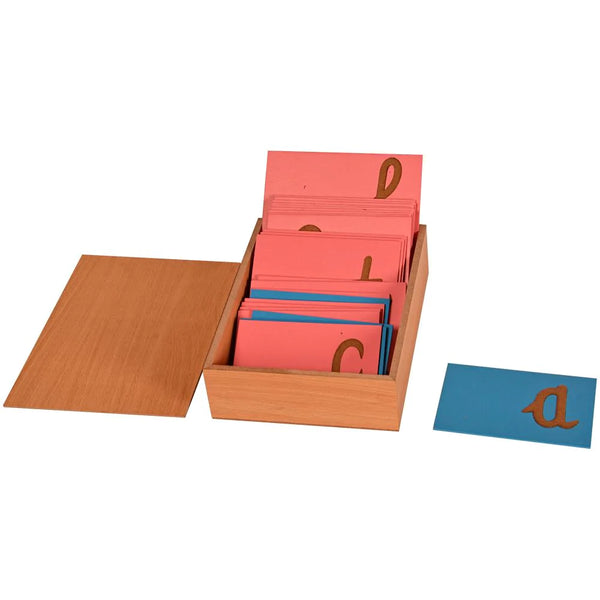
When teachers are well-trained, they create a vibrant learning environment where children feel safe to explore, question, and express themselves. For your 3-5 year old, this means a teacher who can identify when they're ready for more complex concepts, like early literacy using sandpaper letters, or when they need more sensory play. A recent report by NCERT emphasised the need for continuous professional development for ECE educators to implement the National Education Policy (NEP) 2020's vision effectively.
The Role of Technology in Transforming Early Learning
While hands-on materials remain paramount, technical support also guides the judicious integration of technology into ECE. This isn't about screen time for toddlers, but rather about leveraging digital tools to support teachers with resources, improve data collection on child progress, and facilitate communication between parents and schools. For instance, an app might help teachers track a child's progress on fine motor skills, allowing for tailored interventions, or provide parents with engaging learning ideas for home. This smart use of technology can enhance the overall efficiency and effectiveness of preschool development initiatives in India.
UNICEF Early Childhood India: Partnering for a Brighter Future
UNICEF has been a formidable force in shaping early childhood policy and practice globally, and their impact on UNICEF early childhood India initiatives is profound. They partner with the Indian government and local stakeholders to advocate for policies that prioritize young children, develop comprehensive ECE frameworks, and support large-scale implementation. For example, UNICEF's collaboration often involves advising on national curricula that promote holistic development across cognitive, social-emotional, physical, and creative domains, directly influencing what your child learns in preschool.
Their work often focuses on ensuring equitable access to quality ECE, reaching the most vulnerable children and supporting the professionalisation of the ECE workforce. Studies indicate that investments in early childhood education yield significant returns, improving public health, reducing poverty, and fostering a more skilled future workforce. UNICEF's evidence-based approach ensures that interventions are not only well-intentioned but also highly effective, making a lasting difference for children like little Aarav in Bengaluru as he prepares for his schooling journey.
Your Role as a Parent: Advocating for Quality ECE
Understanding these macro-level efforts empowers you to be a more informed and active participant in your child's education. Ask your child's preschool about their curriculum, teacher training, and how they incorporate modern pedagogical approaches. Observe the classroom: are children engaged in meaningful activities? Do teachers interact with them respectfully and individually?
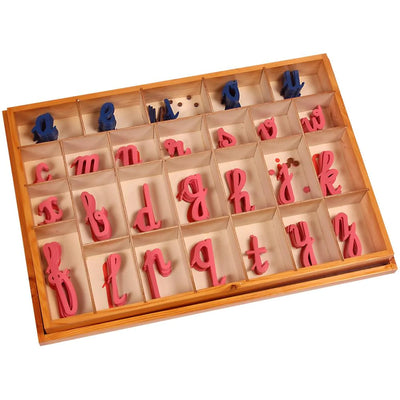
At home, you can complement these efforts by providing an enriching environment. Engage your child in storytelling, simple sensory play, and open-ended activities that encourage imagination. SkilloToys offers a wide range of Montessori-inspired materials that align perfectly with the principles of quality ECE, fostering independence, concentration, and a lifelong love for learning. By supporting these principles, both at school and at home, you become a crucial part of boosting the quality of early childhood education for your child.