Telugu Letters with Pictures: Montessori Guide (3-5 Yrs)
Introducing telugu letters with pictures to preschoolers (3-5 years) can be a delightful and highly effective journey when approached with Montessori principles. This method fosters a love for learning by engaging children's natural curiosity through multi-sensory activities, making early language acquisition intuitive and joyful for young minds.
Teaching Telugu letters to preschoolers involves creating an immersive, interactive environment where children can explore sounds and symbols through hands-on engagement. This approach matters immensely because it lays a strong foundation for literacy, critical thinking, and cultural connection, which is particularly significant in India. Indian parents can empower their children by integrating these playful learning methods into daily routines at home.
Why Learning Telugu Early Matters for Indian Children
Child development experts agree that early childhood is a critical window for language acquisition. Introducing Telugu letters at the preschool stage significantly contributes to a child's cognitive development and cultural roots. The Centre for Public Policy Research highlights how India’s learning crisis often begins in early childhood, underscoring the urgent need for foundational literacy in regional languages.
This early engagement also aligns perfectly with the National Education Policy (NEP) 2020, which emphasizes mother-tongue education and foundational literacy. As highlighted by orfonline.org, NEP 2020 is shaping India’s early learning revolution, making it crucial for parents to actively support their children's native language development, preparing them not just for school but for a rich cultural identity within their joint families.
The Montessori Way: How to Introduce Telugu Letters with Pictures
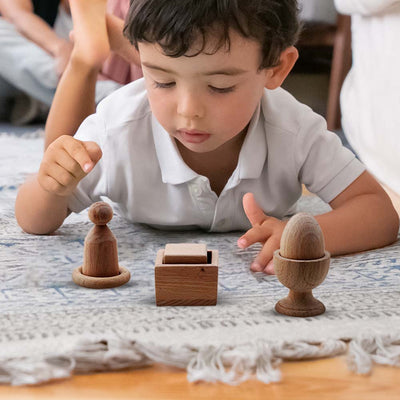
The Montessori method, developed by Dr. Maria Montessori, champions a child-centric approach to learning. For Telugu learning for kids, this means hands-on, self-directed exploration rather than rote memorization. By providing carefully designed montessori telugu materials, children develop a natural connection to the language, making the process intuitive and long-lasting.
Start with Sensorial Experiences: Touching and Tracing
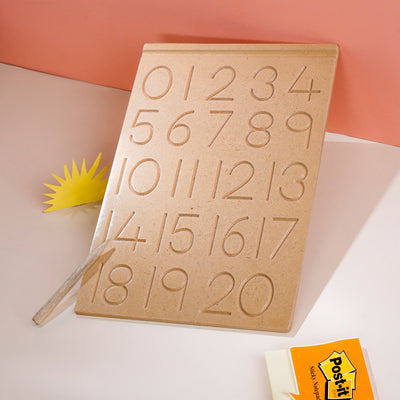
Montessori education emphasizes engaging all senses. For Telugu aksharalu for kids, start with sensorial materials. Sandpaper letters, where the shape of the letter is textured, allow children to feel the form of each character. This tactile experience helps cement the visual memory and prepares their hand for writing. Encourage tracing with their fingers while verbalizing the letter sound.
You can create DIY sandpaper letters or explore specialized language materials from SkilloToys to make this experience accessible at home. This multi-sensory input is crucial for young learners, as it leverages their innate desire to touch and explore their environment. Consistent practice with these materials builds a strong foundational understanding.
Picture Association: Connecting Sounds and Symbols
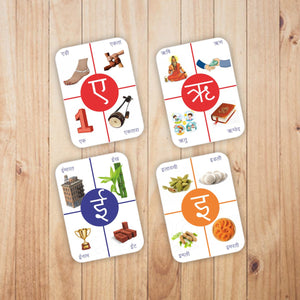
A cornerstone of teaching telugu letters with pictures is associating each letter with a familiar image that starts with that sound. For example, 'అ' for 'అమ్మ' (Amma - Mother) or 'ఆ' for 'ఆవు' (Aavu - Cow). This creates a concrete link between the abstract letter symbol and a meaningful concept.
Using vibrant, child-friendly flashcards or charts where each Telugu letter is paired with a clear, representative picture is highly effective. As children learn to identify the letter, they also learn the corresponding sound and a new vocabulary word. This method makes learning more contextual and enjoyable, moving beyond simple memorization.
Play-Based Learning: Engaging Activities for Aksharalu
Learning should always be an adventure for preschoolers. Integrate play-based activities to teach telugu alphabets preschoolers. Building words with magnetic Telugu letters, drawing letters in sand or on a slate, and engaging in simple letter scavenger hunts around the house keep children excited and involved.
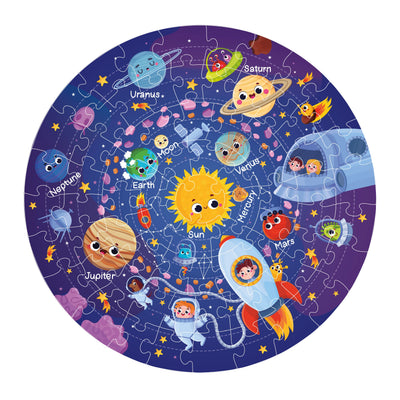
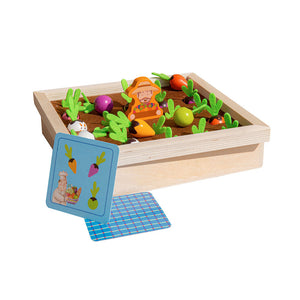
Educational puzzles that feature Telugu letters or matching games are fantastic for reinforcing recognition and recall. Activity kits designed for language learning can provide structured yet fun ways to practice. These activities not only teach the letters but also develop fine motor skills, problem-solving abilities, and concentration.
Building Confidence: Tips for Parents of 3-5 Year Olds
Parents play the most significant role in fostering a positive learning environment. Remember that every child learns at their own pace. Celebrate small milestones, like recognizing a single letter or attempting to trace a character, with genuine encouragement. Avoid comparisons with siblings or friends, as this can undermine a child's self-esteem.
Consistency is key, but keep sessions short and sweet, ideally 10-15 minutes at a time. Incorporate Telugu into daily conversations, storytelling, and songs. A prominent telugu alphabet chart in your child's play area can serve as a constant, gentle reminder and reference point. Encourage grandparents to share stories in Telugu, leveraging the rich tradition of oral storytelling in Indian homes.
Common Challenges and How to Overcome Them
Parents often face challenges such as a child's short attention span or reluctance to engage. If your child resists, don't push them. Instead, take a break and reintroduce the concept later in a different, more playful context. Research indicates that play-based learning can increase engagement and retention in young children by up to 80% compared to traditional methods.
Sometimes, children might confuse similar-looking letters. Use multi-sensory cues like different colors for challenging letters or tactile aids to help them differentiate. Patience and a positive attitude from parents are vital. Remember, the goal is to ignite a lifelong love for language, not just to memorize letters quickly. SkilloToys offers a wide range of Montessori method learning materials and toys designed to support this joyful learning journey.
- Early introduction of Telugu letters (3-5 years) enhances cognitive development and cultural connection.
- Montessori principles emphasize hands-on, multi-sensory learning experiences for effective language acquisition.
- Using 'telugu letters with pictures' fosters strong associations between symbols, sounds, and real-world objects.
- Play-based activities significantly increase engagement and retention in preschoolers learning 'telugu aksharalu for kids'.
- Consistent, short learning sessions with positive reinforcement are more effective than prolonged, forced practice.
- Grandparents and family members contribute significantly to a child's natural Telugu language immersion through storytelling and conversation.
At what age should I start teaching Telugu letters to my child?
Child development experts agree that the ideal age to introduce Telugu letters and other language concepts is between 3 to 5 years. This period aligns with a child's peak language acquisition phase and curiosity about symbols and sounds.
What are the best Montessori materials for learning Telugu aksharalu?
Montessori-inspired materials like sandpaper letters (Telugu script), Telugu alphabet puzzles, and picture-matching cards for 'telugu letters with pictures' are highly effective. These tools provide multi-sensory experiences crucial for concept formation.
How can I make learning Telugu letters fun and engaging for my preschooler?
Making learning fun involves incorporating play-based activities such as tracing letters in sand, singing Telugu alphabet songs, and using storybooks with visual aids. Short, consistent sessions prevent boredom and encourage active participation.
Is it important to teach Telugu alongside English for preschoolers?
Research shows that early exposure to multiple languages, including Telugu, significantly benefits cognitive development and cultural identity in Indian children. Bilingualism enhances problem-solving skills and prepares children for a diverse academic environment.
How can grandparents or other family members help teach Telugu letters?
Grandparents can play a crucial role by sharing traditional stories, singing lullabies, and conversing in Telugu, naturally enriching the child's language environment. Their daily interactions reinforce the learning of 'telugu aksharalu for kids' in a loving, familiar setting.