Early Childhood Education Trends India & School Readiness
The landscape of early childhood education trends India is undergoing a profound transformation, directly impacting how Indian parents can prepare their children for school. This booming market, driven by increased awareness and investment, offers unprecedented opportunities for foundational learning and holistic development, ensuring your child steps into primary school with confidence and a love for learning.
Early Childhood Education (ECE) in India refers to the structured and intentional learning experiences provided to children from birth up to eight years of age, focusing on holistic development across cognitive, social, emotional, physical, and linguistic domains. This matters because the period from birth to six years is critical for brain development, laying the groundwork for all future learning. Indian parents can leverage this understanding by making informed choices about their child's early learning environment, both at home and in preschool.
Decoding India's Early Childhood Education Trends: What the Growth Means for Your Child
India's early childhood education market is witnessing exponential growth, a trend confirmed by industry reports like those from IMARC Group. This isn't just a business boom; it's a societal shift towards recognizing the profound importance of foundational learning. Child development experts agree that the first few years of a child's life are crucial for developing cognitive abilities, language skills, and emotional intelligence.
This surge is fueled by several factors. The National Education Policy (NEP) 2020 strongly advocates for universal access to quality ECE, emphasizing play-based and activity-based learning. As UNICEF highlights, strong foundations in early childhood are essential for a child's future success. Furthermore, increasing parental awareness, rising disposable incomes in urban centres like Bengaluru, and the growing number of nuclear families seeking structured learning environments contribute significantly to this preschool market India.
The Importance of Early Education India: Beyond Rote Learning
For generations, Indian parents have valued education, but the focus was often on rote memorization. The current importance of early education India lies in its holistic approach. Research shows that children exposed to quality ECE develop superior problem-solving skills, better social competence, and a greater curiosity for learning, which are vital for school readiness and beyond.
Maria Montessori, a pioneer in child development, emphasized that children between 0-6 years possess an 'absorbent mind,' capable of soaking up information from their environment naturally. Her methodology, centered on self-directed activity, hands-on learning, and collaborative play, is increasingly influencing modern preschools. For instance, giving a 3-year-old a set of Montessori geometric shape puzzles doesn't just teach shapes; it refines fine motor skills, logical thinking, and concentration, preparing them for more complex tasks in LKG and UKG.
Investing in Early Learning India: Smart Choices for School Readiness
With the booming ECE market, parents now have a wider array of choices, but discerning quality is key. When considering a preschool, look beyond flashy uniforms or elaborate infrastructure. Prioritize institutions that embrace child-centric pedagogies, offer a balanced curriculum focused on experiential learning, and have well-trained educators. Engaging with a quality preschool directly contributes to investing in early learning India effectively.
However, early learning isn't confined to school walls. Parents play the most significant role. Creating a 'prepared environment' at home, filled with purposeful, open-ended educational toys, can powerfully complement formal schooling. Imagine 4-year-old Priya in a joint family in Pune, learning about sizes and sequences with a Montessori Pink Tower, a concrete experience far more impactful than abstract instruction. This hands-on engagement fosters independence and a genuine love for exploration.
Future of Preschool India: A Collaborative Approach
The future of preschool India hinges on collaboration between educators, policymakers, and most importantly, parents. As the ET Education Group has observed, there's a growing push for early learning that is culturally relevant and developmentally appropriate. This means moving away from academic pressure on young children and instead focusing on building foundational skills through joyful discovery.
Parents can actively participate by understanding their child's developmental stage, providing stimulating activities at home, and communicating effectively with their child's educators. Whether it's practicing practical life skills like pouring water or matching colours with simple materials, these everyday moments reinforce what's learned in a quality ECE setting, ensuring a seamless transition to formal schooling.
SkilloToys' Role: Supporting Every Child's Journey
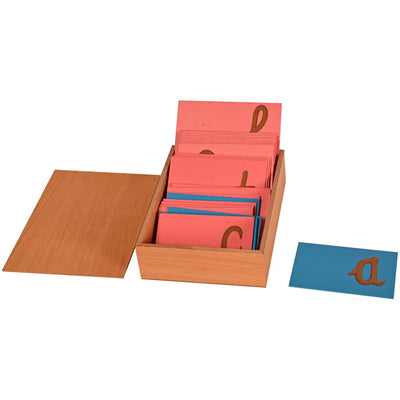
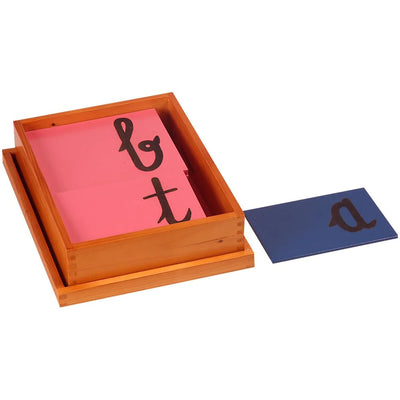
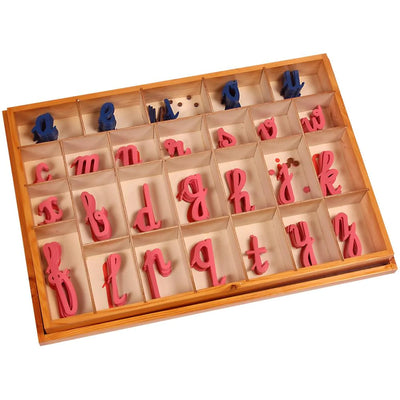
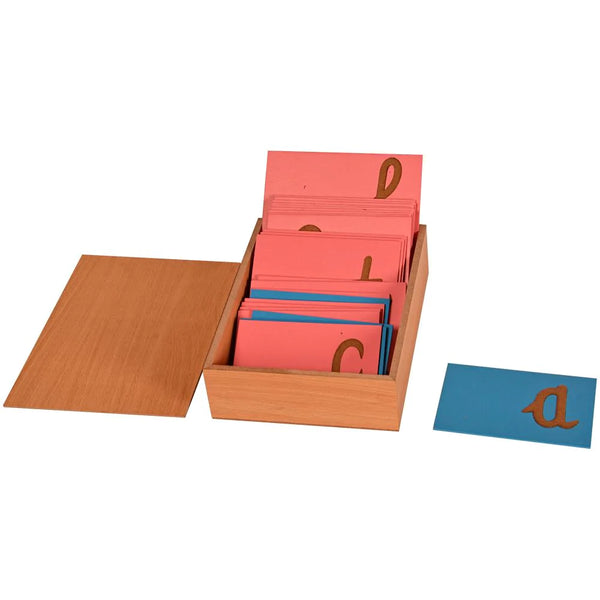
At SkilloToys.com, we understand the aspirations of Indian parents and the nuances of the evolving ECE landscape. Our Montessori-inspired educational toys are designed to align perfectly with the best practices in early childhood education. They encourage self-discovery, critical thinking, and fine motor development, crucial for school readiness. For example, our wooden alphabet tracing boards provide a multi-sensory approach to pre-writing, far more engaging than traditional worksheets.
We are committed to empowering parents with resources and materials that transform homes into vibrant learning spaces. By choosing quality educational tools, you're not just buying a toy; you're making an investment in your child's cognitive growth, emotional intelligence, and overall preparedness for the academic journey ahead, leveraging the very best of India's early childhood education trends.