NEP 2020 Foundational Learning: A Montessori Guide for Indian Parents
Preparing your little one for school can feel like a daunting task, especially with the evolving educational landscape in India. The emphasis on NEP 2020 foundational learning aims to transform early childhood education, moving beyond rote learning to holistic development through play. For Indian parents, Montessori education provides a proven, child-centric framework to integrate these principles seamlessly at home, fostering independence, practical life skills, and a genuine love for learning well before formal schooling begins. This guide offers a reassuring, structured approach to apply these vital principles.
NEP 2020's Foundational Stage (ages 3-8) is a comprehensive framework focused on holistic child development through activity-based learning. This matters because it shifts away from rote memorisation, prioritising foundational literacy and numeracy (FLN) and socio-emotional skills crucial for lifelong learning. Indian parents can actively support this by creating stimulating home environments aligned with these principles.
Understanding NEP 2020's Foundational Stage: A Montessori Lens
The National Education Policy 2020 (NEP 2020) champions a comprehensive shift in early childhood education India, particularly through its Foundational Stage curriculum framework. It highlights five key domains: Physical and Motor Development, Socio-emotional and Ethical Development, Cognitive Development, Language and Literacy Development, and Aesthetic and Cultural Development. This aligns remarkably with Maria Montessori's philosophy, which inherently focuses on nurturing the whole child.
Child development experts agree that the years from birth to age eight are critical for forming neural pathways and shaping future learning abilities. A UNICEF report on early childhood education in India highlights the critical importance of these early years for lifelong learning outcomes. Montessori offers a structured yet flexible approach, allowing children like young Rishi in Bengaluru to explore and discover at their own pace, building a robust foundation that NEP 2020 envisions.
Practical Life Skills: Building Independence for School
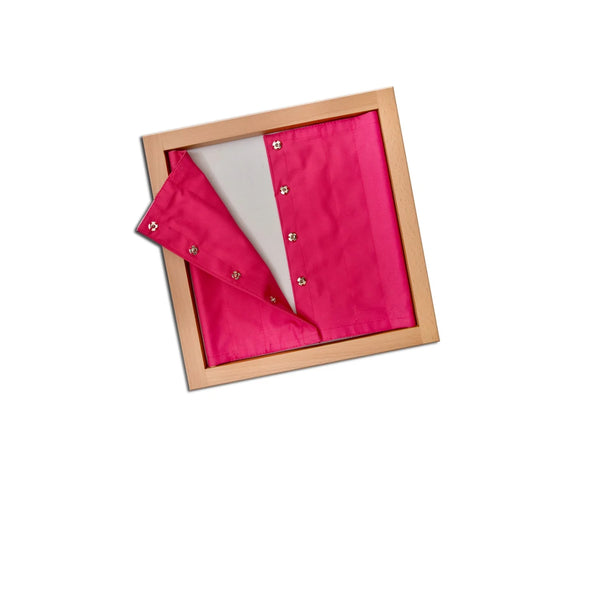
One of the cornerstones of Montessori is Practical Life activities, which are surprisingly powerful tools for school readiness. These simple, purposeful tasks, from pouring water without spilling to buttoning a shirt or tidying up, directly address the NEP 2020's focus on independence and self-care. Imagine a child confidently managing their tiffin box or water bottle at preschool – that's a direct outcome of mastering practical life skills at home.
These activities also cultivate concentration, fine motor skills, and a sense of order, essential attributes for any formal learning environment. Encourage your child to participate in household chores; let them wash vegetables for dinner or help arrange their books. Providing real, child-sized tools, like a small broom or a pouring pitcher, empowers them. Explore a range of Montessori practical life materials that make these tasks engaging and accessible.
The Joy of Wooden Puzzles and Manipulatives
Within the Montessori framework, carefully chosen educational toys are not mere playthings; they are tools for development. Wooden puzzles for kids, for instance, are fantastic for developing problem-solving skills, spatial awareness, and hand-eye coordination – all critical for cognitive development as per NEP 2020. Unlike electronic toys that dictate interaction, open-ended wooden puzzles require the child to do the imagining and figuring out.
Encourage children to explore puzzles independently, allowing them the satisfaction of self-correction. Observe how a child focuses intently on fitting a geometric shape or completing a multi-layered animal puzzle. This focused engagement builds attention spans and persistence, skills invaluable for future academic tasks. Our range of wooden puzzles provides excellent opportunities for this type of play-based learning India is now embracing.
Cultivating Foundational Literacy and Numeracy (FLN) at Home
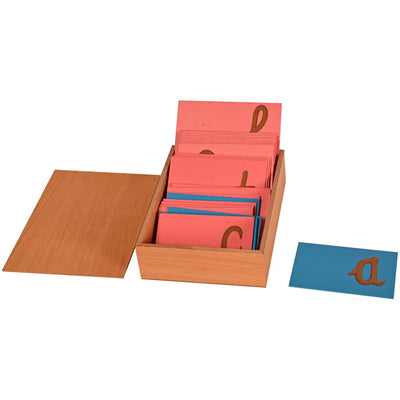
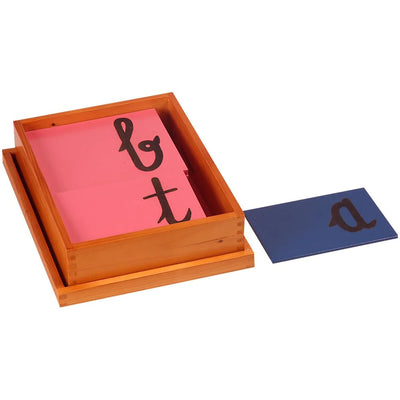
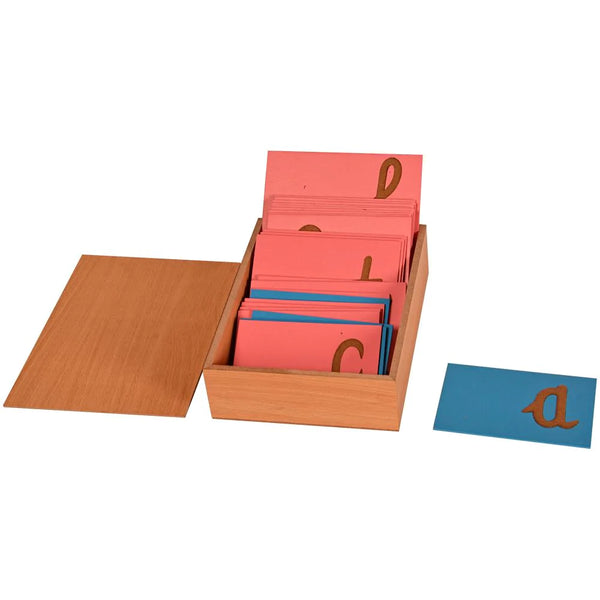
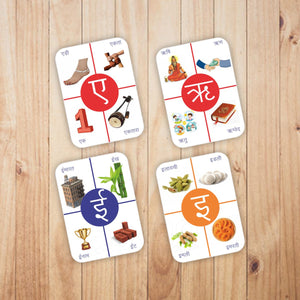
NEP 2020 places Foundational Literacy and Numeracy (FLN) at the core of early learning. Montessori offers a rich, sensory approach to FLN, moving beyond abstract concepts to concrete experiences. For literacy, think about sandpaper letters, where children trace the letter shape while saying its sound, engaging touch, sight, and hearing simultaneously. This multi-sensory approach solidifies phonemic awareness, crucial for reading.
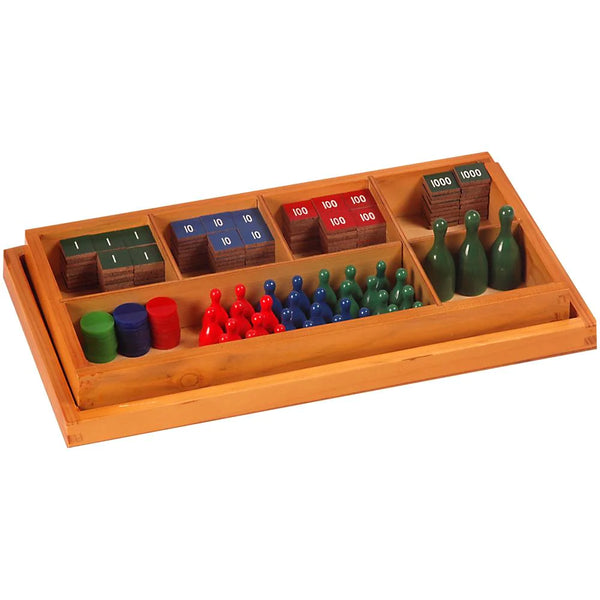
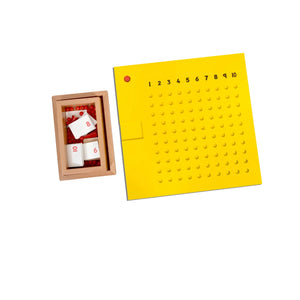
For numeracy, materials like number rods and golden beads allow children to physically manipulate quantities, understanding the decimal system and basic operations long before formal arithmetic. Instead of just memorising "one, two, three," a child physically counts and holds "three" objects. Research indicates that children with strong pre-literacy and pre-numeracy skills are significantly more likely to succeed academically. Incorporating these concrete methods at home, perhaps by counting pulses during meal prep or naming objects around the house, directly supports NEP 2020's FLN goals.
The Prepared Environment: Your Home as a Learning Hub
Maria Montessori stressed the importance of a "prepared environment" – a space designed to foster a child's independence and exploration. This doesn't mean transforming your entire home into a classroom, especially in smaller urban flats or joint families in India. Instead, it involves thoughtful arrangement and accessibility.
- Accessibility: Place toys and books on low shelves, within easy reach of your child.
- Order: Designate a specific spot for each item. This teaches order and makes cleanup easier.
- Freedom within Limits: Offer choices within clear boundaries. "You can play with this puzzle or read this book, but please put one away before taking out the next."
- Beauty: Keep the space tidy and aesthetically pleasing. A well-maintained environment invites engagement.
Even a small corner in a living room can become a vibrant learning space. Aarya's Dadi in Chennai might create a "story corner" with cushions and picture books, fostering early literacy through shared reading. This focus on an intentional home environment complements NEP 2020's emphasis on continuous, engaging learning experiences.
Building Confidence Beyond Academics
School readiness, as defined by NEP 2020 and understood through a Montessori lens, is far more than just knowing alphabets and numbers. It's about a child's socio-emotional readiness – their ability to separate from parents, interact respectfully with peers and teachers, manage their emotions, and take initiative. These are the "soft skills" that Montessori inherently cultivates through its emphasis on grace and courtesy, problem-solving independently, and contributing to a community.
For anxious Indian parents navigating school admissions and performance pressures, remember that fostering a confident, curious, and capable child is the greatest preparation. By providing opportunities for independent work, encouraging problem-solving, and respecting their natural pace of development, you are laying a robust foundation. These are the children who will not just survive school but truly thrive, embodying the holistic spirit of NEP 2020.
Applying NEP 2020's foundational principles at home with a Montessori approach empowers your child to become a self-assured, joyful learner. It's about building a lifelong love for learning, not just preparing for an exam. Tonight, try involving your child in setting the dinner table. This simple act of contributing to the family not only develops practical skills but also fosters a sense of belonging and capability – a perfect blend of Montessori and Indian family values.